



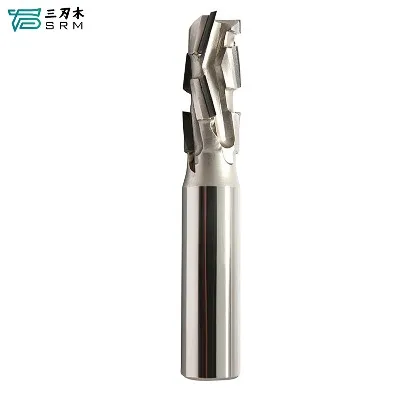

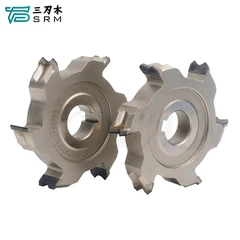



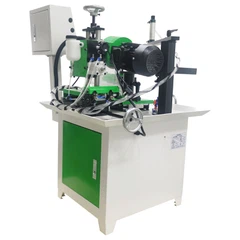

When it comes to woodworking and other cutting - related industries, trimming cutterheads play a vital role. As a trimming cutterhead supplier, I have witnessed firsthand the numerous issues that users often encounter with these essential tools. In this blog, I will delve into the common problems associated with trimming cutterheads and provide effective solutions to address them.
1. Dull Cutting Edges
One of the most prevalent issues with trimming cutterheads is dull cutting edges. Over time, continuous use causes the blades to wear down. This can lead to a variety of problems, such as rough cuts on the workpiece, increased power consumption, and a significant reduction in the overall efficiency of the cutting operation.


Causes:
- Frequent Use: The more a cutterhead is used, the faster the blades will wear. For example, in a high - volume woodworking shop, where the cutterhead is constantly in operation, the blades can dull much quicker compared to a hobbyist's workshop with less frequent usage.
- Hard Materials: Cutting through hard materials like hardwoods or composite materials with high abrasive content can accelerate blade dulling. These materials can cause the cutting edges to chip or wear unevenly.
Solutions:
- Regular Sharpening or Replacement: Establish a regular maintenance schedule for blade sharpening. If sharpening is not an option, consider replacing the blades. For our customers, we offer Disposable Carbide Blade Tenon Milling Cutter. These disposable blades are a convenient solution as they can be easily swapped out when dull, saving time on sharpening.
- Select the Right Blades: Choose blades that are specifically designed for the type of material you are cutting. Carbide blades, for instance, are more durable and can withstand cutting through harder materials better than high - speed steel blades.
2. Vibration and Noise
Excessive vibration and noise during the operation of a trimming cutterhead can be a sign of underlying problems. Not only does it make the working environment unpleasant, but it can also affect the quality of the cuts and potentially damage the cutterhead and the machine.
Causes:
- Imbalance: If the cutterhead is not properly balanced, it will vibrate during rotation. This can be due to uneven blade wear, improper installation of the blades, or a manufacturing defect in the cutterhead itself.
- Loose Components: Loose bolts, nuts, or other components can cause the cutterhead to vibrate. Over time, the continuous movement and stress during operation can cause these parts to loosen.
Solutions:
- Balance the Cutterhead: Use a balancing kit to ensure that the cutterhead is properly balanced. This may involve adding or removing small weights to the cutterhead to counteract any imbalance.
- Tighten Loose Components: Regularly inspect the cutterhead for loose parts and tighten them as necessary. Make sure to follow the manufacturer's recommended torque specifications when tightening the bolts and nuts.
3. Chip Evacuation Problems
Poor chip evacuation can lead to a buildup of chips around the cutterhead, which can cause overheating, reduced cutting performance, and even damage to the blades.
Causes:
- Incorrect Cutting Speed: If the cutting speed is too slow, the chips may not be ejected from the cutting area quickly enough. On the other hand, if the speed is too fast, the chips may become too small and difficult to evacuate.
- Clogged Chip Flutes: The chip flutes on the cutterhead can become clogged with chips, especially when cutting materials with high resin content or when using a cutterhead with narrow flutes.
Solutions:
- Optimize Cutting Speed: Adjust the cutting speed according to the type of material and the cutterhead specifications. Consult the manufacturer's guidelines for the recommended cutting speeds.
- Clean the Chip Flutes: Regularly clean the chip flutes to prevent clogging. Use compressed air or a brush to remove any chips that have accumulated in the flutes.
4. Alignment Issues
Proper alignment of the trimming cutterhead is crucial for achieving accurate and consistent cuts. Misalignment can result in uneven cuts, poor surface finish, and premature wear on the blades.
Causes:
- Improper Installation: If the cutterhead is not installed correctly on the machine, it can be misaligned. This can happen if the mounting surface is not clean or flat, or if the bolts are not tightened evenly.
- Machine Wear: Over time, the machine itself may experience wear and tear, which can cause the cutterhead to become misaligned.
Solutions:
- Ensure Proper Installation: Follow the manufacturer's installation instructions carefully. Make sure the mounting surface is clean and flat, and tighten the bolts evenly to the recommended torque.
- Regular Machine Maintenance: Conduct regular maintenance on the machine to prevent wear - related alignment issues. This may include checking and adjusting the bearings, guides, and other components of the machine.
5. Cutterhead Deflection
Cutterhead deflection occurs when the cutterhead bends or flexes during cutting, which can lead to inaccurate cuts and poor surface finish.
Causes:
- Insufficient Rigidity: If the cutterhead is not rigid enough, it can deflect under the cutting forces. This can be due to a design flaw or using a cutterhead that is not suitable for the cutting application.
- Excessive Cutting Forces: Cutting too deep or using too high a feed rate can generate excessive cutting forces, causing the cutterhead to deflect.
Solutions:
- Choose a Rigid Cutterhead: Select a cutterhead that is designed to be rigid and can withstand the cutting forces. Our Thickness Planer Cutterhead is engineered for high rigidity, ensuring accurate and consistent cuts.
- Optimize Cutting Parameters: Adjust the cutting depth and feed rate to reduce the cutting forces. This will help prevent cutterhead deflection and improve the quality of the cuts.
6. Blade Chipping and Breakage
Blade chipping and breakage can be a serious problem, as it can lead to downtime, increased costs for blade replacement, and potential safety hazards.
Causes:
- Impact with Hard Objects: If the cutterhead comes into contact with hard objects such as nails, screws, or stones in the workpiece, the blades can chip or break.
- Incorrect Cutting Parameters: Using incorrect cutting speeds, feed rates, or cutting depths can put excessive stress on the blades, causing them to chip or break.
Solutions:
- Inspect the Workpiece: Before cutting, carefully inspect the workpiece for any hard objects. Remove any nails, screws, or other foreign objects to prevent damage to the blades.
- Adjust Cutting Parameters: Ensure that the cutting parameters are set correctly for the type of material and the cutterhead being used. Refer to the manufacturer's guidelines for the recommended cutting parameters.
In conclusion, while trimming cutterheads are essential tools in many industries, they can encounter a variety of problems. By understanding these common issues and implementing the appropriate solutions, users can ensure the optimal performance and longevity of their cutterheads. As a trimming cutterhead supplier, we are committed to providing high - quality products and technical support to help our customers overcome these challenges. If you are interested in purchasing trimming cutterheads or need further advice on cutterhead maintenance and operation, please feel free to contact us for a procurement discussion.
References
- "Woodworking Machinery Handbook", Industrial Press Inc.
- Manufacturer's manuals for trimming cutterheads.


