



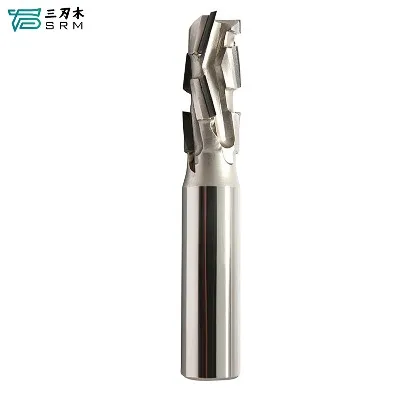





In the realm of woodworking and machining, the Spiral Down Cut Bit is a well - known tool. As a supplier of Spiral Down Cut Bits, I have witnessed firsthand its wide - spread use and the benefits it brings. However, like any tool, it is not without its disadvantages. In this blog post, I will delve into the drawbacks of using a Spiral Down Cut Bit, which will help users make more informed decisions when choosing the right tool for their projects.
1. Chip Evacuation Issues
One of the most prominent disadvantages of a Spiral Down Cut Bit is its poor chip evacuation. Unlike up - cut bits that pull chips out of the cut, down - cut bits push chips deeper into the cut. This can lead to a significant build - up of chips within the material. When chips accumulate, they can cause excessive heat. The friction between the chips and the bit, as well as the chips and the material, generates heat. High temperatures can have several negative consequences.
Firstly, the heat can cause the bit to wear out more quickly. The carbide tip of the bit, which is designed to cut through various materials, can become dull at an accelerated rate due to the high heat. This means that the bit will need to be replaced more frequently, increasing the overall cost of the project.
Secondly, the heat can also damage the material being cut. For example, in woodworking, excessive heat can cause the wood to char or burn, leaving unsightly marks on the finished product. In plastics, it can cause the plastic to melt and adhere to the bit, further exacerbating the chip - evacuation problem and potentially ruining the workpiece.
2. Limited Depth of Cut
Spiral Down Cut Bits have limitations when it comes to the depth of cut. Because these bits push the chips downwards, as the depth of the cut increases, the pressure on the chips also increases. This makes it even more difficult for the chips to be removed from the cut, leading to more severe chip - evacuation issues.
In practical terms, if a user needs to make a deep cut, a Spiral Down Cut Bit may not be the best choice. For instance, when creating deep grooves or pockets in a thick piece of wood, an up - cut bit or a combination bit might be more suitable. An up - cut bit can effectively pull the chips out of the cut, allowing for deeper and cleaner cuts.
3. Surface Finish on the Bottom of the Cut
While Spiral Down Cut Bits are excellent at providing a smooth surface finish on the top edge of the cut, they often struggle to achieve the same quality on the bottom of the cut. Since the bit is pushing the chips downwards, it can cause the chips to rub against the bottom surface of the cut. This rubbing action can result in a rough or uneven finish on the bottom of the groove or pocket.
In applications where a high - quality surface finish is required on both the top and bottom of the cut, such as in precision woodworking or in the manufacturing of high - end furniture, this can be a significant drawback. For these projects, additional finishing steps may be required to achieve the desired smoothness on the bottom of the cut, which adds time and cost to the project.


4. Higher Risk of Material Splintering on the Exit Side
When using a Spiral Down Cut Bit to cut through a material, there is a higher risk of splintering on the exit side of the cut. As the bit exits the material, the downward force it exerts can cause the material to crack or splinter. This is particularly problematic in materials like wood, where splintering can ruin the aesthetic appeal of the finished product.
In contrast, up - cut bits are less likely to cause splintering on the exit side because they pull the material upwards as they cut. To mitigate this issue when using a Spiral Down Cut Bit, users may need to take additional precautions, such as using a backer board or applying masking tape to the exit side of the cut. However, these additional steps add complexity and time to the cutting process.
5. Compatibility with Certain Materials
Spiral Down Cut Bits may not be suitable for all types of materials. Some soft and brittle materials, such as certain types of foam or thin plastics, can be easily damaged by the downward force of the bit. The pressure exerted by the bit can cause the material to collapse or break apart, making it difficult to achieve a clean and accurate cut.
For example, when working with Styrofoam, the downward force of the Spiral Down Cut Bit can crush the foam, leaving a messy and uneven cut. In such cases, other types of bits, like Ball Nose Router Bit, which are better suited for softer materials, may be a better option.
6. Noise and Vibration
Using a Spiral Down Cut Bit can generate more noise and vibration compared to other types of router bits. The downward - pushing action of the bit, combined with the chip - evacuation problems, can cause the bit to vibrate more during operation. This vibration can not only be uncomfortable for the user but also affect the accuracy of the cut.
Excessive vibration can cause the bit to wander off - course, resulting in an inaccurate cut. In addition, the noise generated by the bit can be a nuisance, especially in a workshop environment where multiple tools are in use. Prolonged exposure to high - level noise can also pose a risk to the user's hearing.
Conclusion
Despite these disadvantages, the Spiral Down Cut Bit still has its place in the woodworking and machining industry. It is an excellent tool for achieving a smooth surface finish on the top edge of the cut and is well - suited for certain applications, such as trimming laminates or creating shallow cuts.
However, it is important for users to be aware of its limitations. By understanding the drawbacks of the Spiral Down Cut Bit, users can make more informed decisions about when to use this tool and when to choose an alternative.
If you are interested in learning more about our Spiral Down Cut Bit or other router bits, or if you have any questions about Carving Letters In Wood or other woodworking projects, please feel free to contact us. We are always ready to assist you in finding the right tool for your needs and can provide valuable advice on tool selection and usage. Let's start a conversation about your next project today!
References
- "Woodworking Tools and Their Uses" by John Smith
- "Router Bit Handbook" by David Johnson
- Industry research reports on router bit performance and applications


