



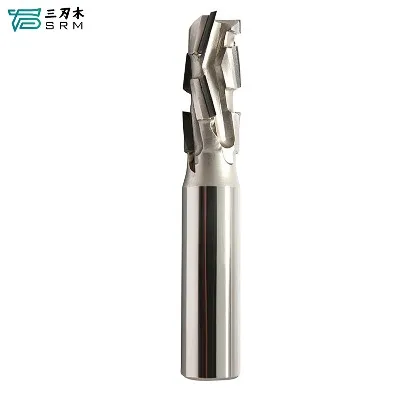

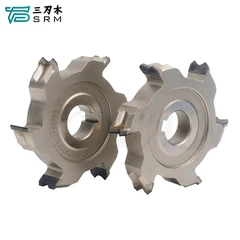
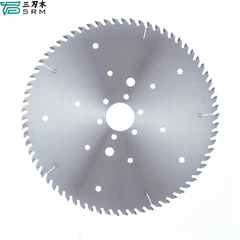


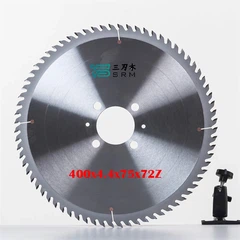

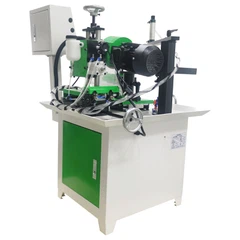

In the woodworking industry, planer cutterheads play a pivotal role in achieving smooth, precise cuts on various types of wood. As a dedicated planer cutterhead supplier, I understand the paramount importance of safety regulations in handling these powerful tools. This blog post aims to delve into the safety regulations regarding planer cutterheads, providing valuable insights for woodworkers and industry professionals alike.
General Safety Precautions
Before delving into the specific safety regulations for planer cutterheads, it is essential to highlight some general safety precautions that should be followed in any woodworking environment. These precautions include wearing appropriate personal protective equipment (PPE), such as safety glasses, ear protection, and dust masks. Additionally, woodworkers should ensure that their work area is well-ventilated to minimize exposure to dust and fumes.
Another crucial aspect of general safety is proper training. Woodworkers should receive comprehensive training on the safe operation of planer cutterheads and other woodworking equipment. This training should cover topics such as machine setup, tool maintenance, and emergency procedures. By ensuring that woodworkers are well-trained, the risk of accidents and injuries can be significantly reduced.
Safety Regulations for Planer Cutterheads
Machine Guarding
One of the most important safety regulations regarding planer cutterheads is the use of machine guarding. Machine guards are physical barriers that are designed to prevent woodworkers from coming into contact with the rotating cutterhead. These guards should be in place at all times during the operation of the planer and should be securely fastened to the machine.
There are several types of machine guards that can be used on planer cutterheads, including fixed guards, adjustable guards, and interlocked guards. Fixed guards are permanently attached to the machine and provide a constant barrier between the operator and the cutterhead. Adjustable guards can be moved or adjusted to accommodate different types of workpieces, while interlocked guards are designed to automatically stop the machine if the guard is opened or removed.
Blade Installation and Maintenance
Proper blade installation and maintenance are also critical for the safe operation of planer cutterheads. Blades should be installed correctly and tightened to the manufacturer's specifications. Loose or improperly installed blades can cause the cutterhead to vibrate, which can lead to uneven cuts and increased risk of blade breakage.


In addition to proper installation, blades should be regularly inspected for signs of wear and damage. Worn or damaged blades should be replaced immediately to prevent accidents and ensure the quality of the cuts. Woodworkers should also follow the manufacturer's recommendations for blade sharpening and replacement intervals.
Workpiece Handling
Safe workpiece handling is another important aspect of planer cutterhead safety. Woodworkers should always use push sticks or other appropriate tools to feed the workpiece into the planer. This helps to keep their hands a safe distance from the rotating cutterhead and reduces the risk of injury.
When feeding the workpiece into the planer, woodworkers should ensure that it is properly aligned and supported. The workpiece should be fed straight and evenly into the planer to prevent binding or kickback. Woodworkers should also avoid feeding small or narrow pieces of wood into the planer, as these can be difficult to control and may pose a greater risk of injury.
Electrical Safety
Electrical safety is a crucial consideration when operating planer cutterheads. Woodworkers should ensure that the planer is properly grounded and that all electrical connections are secure. They should also avoid using the planer in wet or damp conditions, as this can increase the risk of electrical shock.
In addition to proper grounding and electrical connections, woodworkers should also follow the manufacturer's recommendations for electrical maintenance. This includes regular inspections of the electrical system and replacement of any worn or damaged components.
Importance of Compliance
Compliance with safety regulations regarding planer cutterheads is not only important for the safety of woodworkers but also for the overall productivity and efficiency of the woodworking operation. By following these regulations, woodworkers can reduce the risk of accidents and injuries, which can lead to lost time, increased costs, and damage to equipment.
In addition to the safety benefits, compliance with safety regulations can also help woodworkers to meet industry standards and regulations. Many woodworking industries have specific safety requirements that must be met, and failure to comply with these requirements can result in fines, penalties, and even legal action.
Conclusion
In conclusion, safety regulations regarding planer cutterheads are essential for the safe and efficient operation of woodworking equipment. By following these regulations, woodworkers can reduce the risk of accidents and injuries, ensure the quality of their work, and meet industry standards and regulations.
As a planer cutterhead supplier, I am committed to providing high-quality products that meet the highest safety standards. We offer a wide range of Thickness Planer Cutterhead, Degree Locking Miter Cutter Heads, and Spiral Cutterhead that are designed to provide reliable performance and safety.
If you are in the market for planer cutterheads or have any questions about our products or safety regulations, please do not hesitate to contact us for further discussion and potential procurement opportunities.
References
- Woodworking Machinery Safety Standards, International Organization for Standardization (ISO)
- Occupational Safety and Health Administration (OSHA) Woodworking Industry Standards
- Manufacturer's Manuals for Planer Cutterheads


