



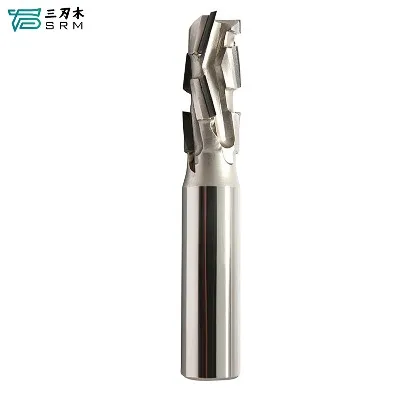





Troubleshooting problems with a Forstner drill bit can be a challenging task, especially if you're new to using this type of tool. As a Forstner Drill Bit supplier, I've encountered various issues that users face. In this blog, I'll guide you through the common problems and their solutions, ensuring you can get the best performance from your Forstner drill bit.
Understanding the Forstner Drill Bit
Before we dive into troubleshooting, let's briefly understand what a Forstner Drill Bit is. A Forstner drill bit is a specialized tool designed for drilling flat-bottomed holes in wood, plastic, and other soft materials. It has a unique design with a center point and a cutting edge around the perimeter, which allows it to create clean, precise holes without splintering the material.
Common Problems and Solutions
1. Dull Cutting Edge
One of the most common problems with a Forstner drill bit is a dull cutting edge. Over time, the cutting edge can wear down due to repeated use, resulting in slower drilling speeds and poor hole quality.


- Symptoms:
- The drill bit takes longer to penetrate the material.
- The holes have rough edges or splinters.
- You need to apply more pressure to the drill to make it cut.
- Solution:
- Sharpen the drill bit using a sharpening tool specifically designed for Forstner drill bits. You can follow the manufacturer's instructions for the correct sharpening angle and technique.
- If the drill bit is severely worn, it may be time to replace it. As a supplier, I offer high - quality Forstner Drill Bits that are designed to last and provide excellent cutting performance.
2. Chipping or Breaking of the Cutting Edge
Chipping or breaking of the cutting edge can occur if the drill bit is used on hard materials or if it is subjected to excessive force.
- Symptoms:
- You notice small pieces of the cutting edge missing.
- The drill bit makes a strange noise during drilling.
- The holes have an irregular shape.
- Solution:
- Avoid using the Forstner drill bit on materials that are too hard for it. For example, if you need to drill through metal, use a drill bit specifically designed for metal.
- Reduce the pressure applied to the drill. Let the drill bit do the work at its own pace.
- If the chipping or breaking is minor, you may be able to repair the drill bit using a suitable brazing or welding technique. However, if the damage is extensive, it's best to replace the drill bit.
3. Poor Hole Alignment
Poor hole alignment can be frustrating, especially when you're working on a project that requires precise holes.
- Symptoms:
- The holes are not straight or are off - center.
- The drill bit wanders while drilling.
- Solution:
- Use a drill press instead of a hand - held drill for more precise hole alignment. A drill press allows you to set the depth and angle of the drill bit accurately.
- Mark the center of the hole clearly before drilling. You can use a center punch to create a small indentation, which will help the drill bit start in the right place.
- Make sure the drill bit is properly installed in the drill chuck. A loose drill bit can cause it to wander during drilling.
4. Overheating
Overheating can occur if the drill bit is used at high speeds for an extended period or if there is insufficient lubrication.
- Symptoms:
- The drill bit becomes hot to the touch.
- The material around the hole may show signs of burning.
- The drill bit may lose its hardness and become dull more quickly.
- Solution:
- Reduce the drilling speed. High speeds can generate a lot of heat, especially when drilling through thick or hard materials.
- Use a lubricant such as cutting oil when drilling. The lubricant helps to reduce friction and heat, improving the cutting performance of the drill bit.
- Allow the drill bit to cool down periodically during long - drilling sessions.
5. Clogging
Clogging can happen when the chips produced during drilling get stuck in the flutes of the drill bit, preventing it from cutting effectively.
- Symptoms:
- The drill bit stops cutting or cuts very slowly.
- You can see chips or debris stuck in the flutes of the drill bit.
- Solution:
- Clear the chips from the flutes of the drill bit regularly. You can use a small brush or compressed air to remove the chips.
- Use a drill bit with larger flutes. Larger flutes can accommodate more chips and reduce the risk of clogging.
Other Types of Drill Bits for Related Applications
In some cases, you may need to use other types of drill bits in addition to the Forstner drill bit. For example, if you're working on a project that requires blind dowel holes, a Blind Dowel Hole Drill Bit can be a great choice. These drill bits are designed to create holes that are deep enough to hold dowels but do not go all the way through the material.
If you need to create countersunk holes, a Countersink Drill Bit is the right tool for the job. Countersink drill bits are used to create a conical recess at the top of a hole, allowing screws or bolts to sit flush with the surface of the material.
Conclusion
Troubleshooting problems with a Forstner drill bit is an essential skill for anyone who uses this type of tool. By understanding the common problems and their solutions, you can ensure that your drill bit performs at its best and lasts for a long time.
As a Forstner Drill Bit supplier, I'm committed to providing high - quality products and excellent customer service. If you're experiencing any problems with your drill bit or if you're looking to purchase new drill bits for your project, I encourage you to contact me for a procurement discussion. I'll be happy to help you find the right drill bits for your needs and provide you with any technical support you may require.
References
- Woodworking Machinery and Tools Handbook
- Drill Bit Manufacturer's Manuals


