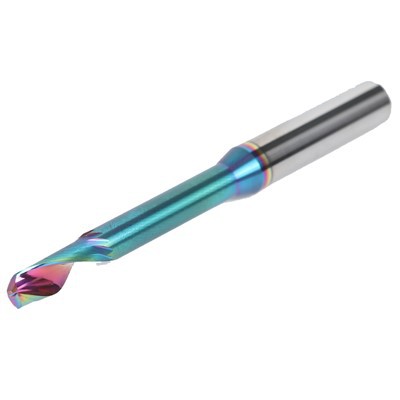


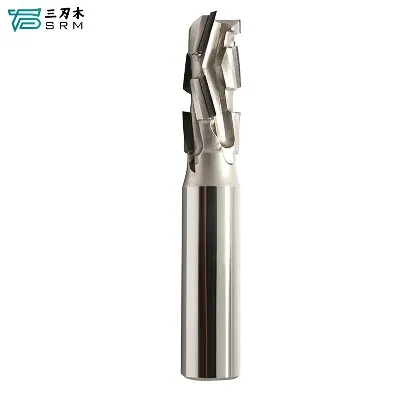





Using the wrong drill bit for a material can lead to a multitude of problems, from subpar results to potential hazards. As a drill bit supplier, I've witnessed firsthand the consequences of mismatching drill bits and materials. In this blog, I'll delve into the various issues that can arise when using the wrong drill bit and why it's crucial to choose the right one for the job.
Reduced Efficiency and Performance
One of the most immediate effects of using the wrong drill bit is reduced efficiency. Different materials have unique properties, such as hardness, density, and brittleness. A drill bit designed for softwood, for example, may struggle to penetrate hardwood effectively. The wrong bit may not cut through the material cleanly, resulting in a slower drilling process. You'll find yourself applying more pressure and expending more energy to achieve the same result, which can be frustrating and time - consuming.
For instance, if you use a general - purpose drill bit on a hard metal like stainless steel, the bit will quickly dull. Stainless steel is known for its toughness, and a bit not specifically designed for it will wear down rapidly. This means you'll have to replace the bit more frequently, increasing your costs in the long run.
Poor Hole Quality
The quality of the hole is another area that suffers when the wrong drill bit is used. In woodworking, using a bit meant for metal on a wooden board can lead to splintering. The cutting edges of a metal drill bit are designed to cut through dense, tough materials, and when used on wood, they can cause the wood fibers to tear apart rather than being cleanly cut. This results in a rough - edged hole that may not be suitable for your project, whether it's for furniture making or cabinetry.
When drilling holes in masonry, using a regular drill bit instead of a masonry bit can create a hole with a ragged interior. Masonry bits are designed with special tips and cutting edges to break through the hard, brittle nature of concrete, brick, or stone. Without the proper bit, the hole may not be the correct size or shape, and the edges may crumble, making it difficult to insert fasteners or other components.
Damage to the Material
Using an inappropriate drill bit can cause significant damage to the material you're working on. In the case of plastics, a drill bit with a high - speed cutting action can generate too much heat. Plastics are sensitive to heat, and excessive heat can cause the plastic to melt, warp, or even catch fire in extreme cases. This not only ruins the material but also poses a safety risk.
On delicate materials like glass or ceramics, using the wrong bit can lead to cracking or shattering. These materials require drill bits with a very fine tip and a slow, controlled drilling speed. A standard drill bit may apply too much force at once, causing the brittle material to break under the pressure.


Risk of Injury
The wrong drill bit can also pose a risk to the user. When a drill bit is struggling to cut through a material, it can bind or jam in the hole. This sudden stoppage can cause the drill to jerk violently, potentially leading to loss of control. If the user is not properly prepared, they could be injured by the spinning drill or the flying debris.
For example, if you're using a drill bit that is too small for the material and it gets stuck, the drill may twist out of your hand. Additionally, dull or inappropriate drill bits can produce more debris, which can fly into your eyes or other parts of your body. Wearing safety goggles and other protective gear is essential, but using the right drill bit in the first place can significantly reduce these risks.
Types of Drill Bits and Their Appropriate Materials
To avoid these problems, it's important to understand the different types of drill bits and the materials they are best suited for.
- Blind Dowel Hole Drill Bit: This type of bit is specifically designed for creating blind holes, which are holes that do not go all the way through the material. It's commonly used in woodworking for joining pieces of wood together using dowels. You can find more information about Blind Dowel Hole Drill Bit.
- Countersink Drill Bit: A countersink drill bit is used to create a conical recess at the top of a hole. This is often done to allow the head of a screw to sit flush with the surface of the material. Countersink bits are used in a variety of materials, including wood, metal, and plastic. Check out Countersink Drill Bit for more details.
- Through Hole Drill Bit: As the name suggests, a through - hole drill bit is used to create holes that go all the way through the material. It's suitable for a wide range of materials, from softwoods to metals. You can learn more about Through Hole Drill Bit.
How to Choose the Right Drill Bit
When choosing a drill bit, consider the following factors:
- Material: As discussed, different materials require different drill bits. Identify the material you'll be working on and select a bit designed for that specific material.
- Hole Size: The size of the hole you need to drill is also crucial. Make sure the drill bit you choose is the correct diameter for your project.
- Drill Type: The type of drill you're using can also influence your choice of drill bit. For example, a cordless drill may have different power capabilities compared to a corded drill, and this can affect the performance of the drill bit.
Conclusion
Using the wrong drill bit for a material can have far - reaching consequences, from reduced efficiency and poor hole quality to damage to the material and potential injury. As a drill bit supplier, I strongly recommend taking the time to select the right drill bit for your project. By doing so, you'll ensure better results, protect your materials, and keep yourself safe.
If you're in the market for high - quality drill bits, we have a wide range of options to suit your needs. Whether you're a professional tradesperson or a DIY enthusiast, we can help you find the perfect drill bit for your next project. Contact us to start a procurement discussion and take your drilling projects to the next level.
References
- "Drilling Techniques and Best Practices" - Woodworking Magazine
- "Materials Science for DIYers" - Home Improvement Journal
- "Safety in Drilling Operations" - Occupational Safety Handbook