



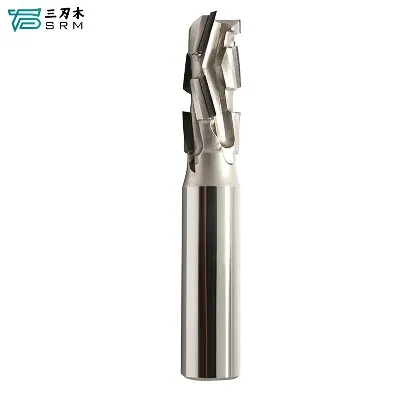

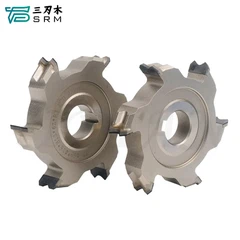
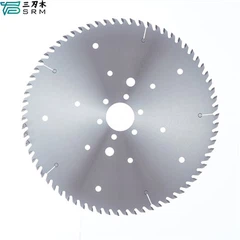


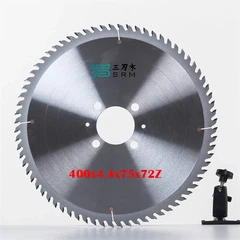



A grooving saw blade is a specialized cutting tool designed to create narrow, deep grooves or slots in various materials, including wood, metal, plastic, and composite materials. These blades are commonly used in woodworking, metalworking, and other industries for tasks such as creating joints, inlaying materials, and making precise cuts for decorative or functional purposes.
Design and Structure
Grooving saw blades typically have a thin, circular shape with a series of teeth along the outer edge. The teeth are designed to cut through the material while removing a small amount of material to create the groove. The number, shape, and size of the teeth can vary depending on the specific application and the material being cut.
One of the key features of a grooving saw blade is its narrow kerf, which refers to the width of the cut made by the blade. A narrow kerf reduces the amount of material removed during the cutting process, which can save time and material. Additionally, a narrow kerf can help to minimize the risk of splintering or chipping, resulting in a cleaner and more precise cut.
Types of Grooving Saw Blades
There are several types of grooving saw blades available, each designed for specific applications and materials. Some of the most common types include:
- Woodworking Grooving Saw Blades: These blades are designed for cutting grooves in wood and wood-based materials. They typically have a high tooth count and a thin kerf to provide a smooth, clean cut. Woodworking grooving saw blades can be used for a variety of tasks, including making dados, rabbets, and tongue-and-groove joints.
- Metalworking Grooving Saw Blades: These blades are designed for cutting grooves in metal and metal alloys. They typically have a carbide or diamond tip to provide a long-lasting, sharp cutting edge. Metalworking grooving saw blades can be used for a variety of tasks, including cutting keyways, slots, and grooves in metal parts.
- Plastic Grooving Saw Blades: These blades are designed for cutting grooves in plastic and plastic-based materials. They typically have a special tooth geometry and coating to prevent melting and chipping during the cutting process. Plastic grooving saw blades can be used for a variety of tasks, including making channels, slots, and grooves in plastic parts.
Advantages of Using Grooving Saw Blades
There are several advantages to using grooving saw blades in your cutting applications. Some of the key benefits include:
- Precision Cutting: Grooving saw blades are designed to provide a precise, accurate cut, which is essential for creating joints, inlays, and other precise cuts. The narrow kerf of the blade helps to minimize the amount of material removed, resulting in a cleaner and more precise cut.
- Efficiency: Grooving saw blades can help to increase efficiency by reducing the amount of time and material required for cutting. The narrow kerf of the blade allows for faster cutting speeds and less material waste, which can save time and money.
- Versatility: Grooving saw blades can be used in a variety of applications and materials, making them a versatile tool for any workshop. Whether you are working with wood, metal, plastic, or composite materials, there is a grooving saw blade available to meet your needs.
- Durability: Grooving saw blades are typically made from high-quality materials, such as carbide or diamond, which provides a long-lasting, sharp cutting edge. This means that you can use your grooving saw blade for multiple projects without having to replace it frequently.
Applications of Grooving Saw Blades
Grooving saw blades are used in a variety of applications across different industries. Some of the most common applications include:
- Woodworking: Grooving saw blades are commonly used in woodworking for tasks such as making dados, rabbets, and tongue-and-groove joints. They can also be used for inlaying materials, creating decorative patterns, and making precise cuts for furniture and cabinetry.
- Metalworking: Grooving saw blades are used in metalworking for tasks such as cutting keyways, slots, and grooves in metal parts. They can also be used for creating decorative patterns and making precise cuts for machinery and equipment.
- Plastic Fabrication: Grooving saw blades are used in plastic fabrication for tasks such as making channels, slots, and grooves in plastic parts. They can also be used for creating decorative patterns and making precise cuts for signs, displays, and other plastic products.
- Composite Materials: Grooving saw blades are used in the cutting of composite materials, such as fiberglass, carbon fiber, and plywood. They can be used for tasks such as making joints, inlays, and precise cuts for aerospace, automotive, and marine applications.
Choosing the Right Grooving Saw Blade
When choosing a grooving saw blade, there are several factors to consider, including the material being cut, the type of saw being used, and the specific application. Here are some tips to help you choose the right grooving saw blade for your needs:
- Material: The type of material you are cutting will determine the type of grooving saw blade you need. For example, if you are cutting wood, you will need a woodworking grooving saw blade. If you are cutting metal, you will need a metalworking grooving saw blade.
- Tooth Count: The tooth count of the blade will determine the smoothness of the cut. A higher tooth count will provide a smoother cut, while a lower tooth count will provide a faster cut. Consider the type of material you are cutting and the desired finish when choosing the tooth count.
- Kerf Width: The kerf width of the blade will determine the amount of material removed during the cutting process. A narrow kerf will remove less material, resulting in a cleaner and more precise cut. Consider the type of material you are cutting and the desired finish when choosing the kerf width.
- Blade Diameter: The blade diameter will determine the depth of the cut. A larger blade diameter will allow for a deeper cut, while a smaller blade diameter will allow for a shallower cut. Consider the type of material you are cutting and the desired depth of the cut when choosing the blade diameter.
Maintenance and Care of Grooving Saw Blades
Proper maintenance and care of your grooving saw blades can help to extend their lifespan and ensure optimal performance. Here are some tips to help you maintain and care for your grooving saw blades:
- Clean the Blade: After each use, clean the blade with a soft brush and a mild detergent to remove any debris or residue. This will help to prevent the buildup of material on the blade, which can affect its performance.
- Sharpen the Blade: Regularly sharpen the blade to maintain a sharp cutting edge. This will help to ensure a smooth, clean cut and prevent the blade from becoming dull or damaged.
- Store the Blade Properly: When not in use, store the blade in a dry, clean place to prevent rust and corrosion. You can also use a blade guard or case to protect the blade from damage.
- Inspect the Blade Regularly: Regularly inspect the blade for any signs of damage or wear, such as chipped teeth, cracked blades, or loose teeth. If you notice any damage or wear, replace the blade immediately to prevent further damage or injury.
In conclusion, a grooving saw blade is a specialized cutting tool that offers precision, efficiency, versatility, and durability. Whether you are a professional woodworker, metalworker, or DIY enthusiast, a grooving saw blade can help you to achieve precise, accurate cuts in a variety of materials. As a Grooving Saw Blade supplier, we offer a wide range of high-quality grooving saw blades to meet your specific needs. If you are interested in learning more about our products or would like to discuss your cutting requirements, please contact us to start a procurement discussion. We look forward to working with you to find the perfect solution for your cutting needs.


References
- Woodworking Magazine. (2023). Guide to Choosing the Right Saw Blade.
- Metalworking Today. (2023). Best Practices for Using Grooving Saw Blades in Metal Cutting.
- Plastic Fabrication Journal. (2023). Cutting Techniques for Plastic Materials with Grooving Saw Blades.


