










As a seasoned supplier of circular wood saws, I understand the pivotal role that a well - aligned blade plays in the efficiency and precision of woodworking operations. In this blog, I'll walk you through the step - by - step process of aligning the blade of a circular wood saw, ensuring that your cuts are clean, accurate, and safe.
Why Blade Alignment Matters
Before delving into the alignment process, it's essential to understand why proper blade alignment is crucial. A misaligned blade can lead to a host of problems, including uneven cuts, increased wear on the saw blade, and potential safety hazards. When the blade is not properly aligned, it can cause the wood to bind during the cutting process, which may result in kickbacks. Moreover, inaccurate cuts can lead to wasted materials and increased production time.
Tools Required for Blade Alignment
To align the blade of a circular wood saw, you'll need a few essential tools:
- Combination Square: This tool is used to measure the perpendicularity of the blade to the table surface.
- Dial Indicator: A dial indicator can provide precise measurements of the blade's alignment, allowing you to make fine adjustments.
- Allen Wrenches: These are used to loosen and tighten the bolts that hold the blade in place.
- Safety Gloves and Goggles: Always prioritize safety when working with power tools.
Step - by - Step Guide to Aligning the Blade
Step 1: Prepare the Saw
First, ensure that the saw is unplugged to prevent any accidental start - up. Then, remove the blade guard to gain access to the blade. Make sure to set the blade guard aside in a safe place.
Step 2: Check the Blade for Damage
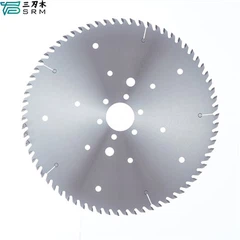
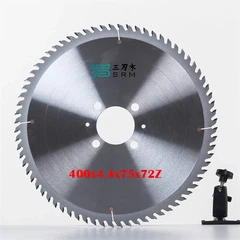
Inspect the blade for any signs of damage, such as cracks, chips, or dullness. A damaged blade can affect the alignment and the quality of the cuts. If the blade is damaged, replace it with a new one. We offer a wide range of high - quality saw blades, including Saw Blade for Sliding Table Machine, Scoring Saw Blade, and Panel Sizing Saw Blade.
Step 3: Check the Table Surface
The table surface should be clean and free of debris. Use a clean cloth to wipe the table, ensuring that it is smooth and level. A uneven table surface can affect the blade alignment and the quality of the cuts.


Step 4: Measure the Blade Perpendicularity
Use a combination square to measure the perpendicularity of the blade to the table surface. Place the square against the table and the blade, and check if the blade is at a 90 - degree angle to the table. If the blade is not perpendicular, you'll need to make adjustments.
Step 5: Use a Dial Indicator for Precise Alignment
Mount a dial indicator on the saw table, with the indicator tip touching the side of the blade. Rotate the blade slowly, and observe the readings on the dial indicator. The goal is to have the blade run true, with minimal variation in the readings. If there is a significant variation, you'll need to adjust the blade.
Step 6: Adjust the Blade
Loosen the bolts that hold the blade in place using an Allen wrench. Make small adjustments to the blade's position, and then retighten the bolts. After each adjustment, re - check the alignment using the combination square and the dial indicator. Repeat this process until the blade is properly aligned.
Step 7: Re - attach the Blade Guard
Once the blade is aligned, re - attach the blade guard. Make sure that the guard is properly secured and functions correctly.
Tips for Maintaining Blade Alignment
- Regular Inspections: Periodically check the blade alignment to ensure that it remains accurate. This can help prevent problems before they occur.
- Proper Storage: Store the saw in a dry and clean environment to prevent rust and damage to the blade.
- Use the Right Blade: Select the appropriate blade for the type of wood and the cutting task. Using the wrong blade can affect the alignment and the quality of the cuts.
Conclusion
Aligning the blade of a circular wood saw is a critical step in ensuring the efficiency, precision, and safety of your woodworking operations. By following the steps outlined in this blog, you can achieve a well - aligned blade that will produce clean and accurate cuts. As a supplier of circular wood saws, we are committed to providing high - quality products and expert advice to help you get the most out of your woodworking equipment.
If you're interested in purchasing circular wood saws or saw blades, or if you have any questions about blade alignment or woodworking in general, please feel free to contact us for a detailed discussion and to explore potential business opportunities.
References
- Woodworking Machinery Handbook
- Circular Saw Maintenance Guide


