






As a supplier of Dovetail CNC Bits, I've witnessed firsthand the transformative impact these tools have on the woodworking and manufacturing industries. In this blog, we'll explore the cutting efficiency of Dovetail CNC Bits, delving into the factors that influence it and how you can make the most of these remarkable tools.
Understanding Dovetail CNC Bits
Dovetail CNC Bits are specialized cutting tools designed for creating dovetail joints, which are renowned for their strength and aesthetic appeal. These joints are commonly used in woodworking, cabinetry, and furniture making, as well as in other industries where precise and durable connections are required.
The unique shape of a dovetail joint resembles the tail of a dove, with interlocking pins and tails that provide exceptional resistance to pulling forces. Dovetail CNC Bits are engineered to cut these intricate shapes with high precision, allowing for seamless and sturdy joints.
Factors Affecting Cutting Efficiency
Several factors influence the cutting efficiency of Dovetail CNC Bits. Understanding these factors can help you optimize your machining processes and achieve the best results.
1. Bit Geometry
The geometry of a Dovetail CNC Bit plays a crucial role in its cutting efficiency. The angle, pitch, and flute design of the bit determine how it interacts with the material being cut. For example, a bit with a steeper angle may provide a more aggressive cut, while a bit with a shallower angle may be better suited for finer work.
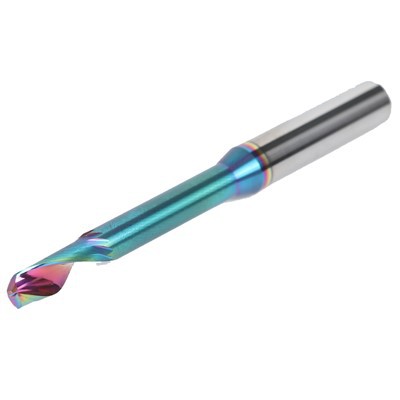
The flute design also affects chip evacuation, which is essential for preventing clogging and maintaining a smooth cutting operation. Bits with spiral flutes, such as the Spiral Cut Router Bit, are particularly effective at removing chips from the cutting area, reducing heat buildup and improving cutting efficiency.
2. Material Compatibility
The type of material you're cutting also has a significant impact on the cutting efficiency of your Dovetail CNC Bit. Different materials have different hardness, density, and grain structures, which require specific bit geometries and cutting parameters.
For example, cutting hardwoods like oak or maple may require a bit with a harder cutting edge, such as a Carbide Tipped Straight Router Bit. Softwoods, on the other hand, may be more easily cut with a bit designed for general-purpose use.
3. Cutting Speed and Feed Rate
The cutting speed and feed rate are two critical parameters that determine how fast the bit moves through the material and how much material it removes per revolution. Finding the right balance between these two parameters is essential for achieving optimal cutting efficiency.
If the cutting speed is too high, the bit may overheat, causing the cutting edge to dull prematurely. On the other hand, if the feed rate is too slow, the bit may not remove enough material, resulting in a longer machining time and reduced productivity.
4. Machine Rigidity and Stability
The rigidity and stability of your CNC machine also play a role in the cutting efficiency of your Dovetail CNC Bit. A machine that is not properly calibrated or has excessive vibration can cause the bit to deflect, resulting in inaccurate cuts and reduced cutting efficiency.
To ensure optimal performance, it's important to regularly maintain and calibrate your CNC machine, and to use a high-quality workholding system to secure the material being cut.
Measuring Cutting Efficiency
There are several ways to measure the cutting efficiency of a Dovetail CNC Bit. One common method is to calculate the material removal rate (MRR), which is the volume of material removed per unit of time.
The MRR can be calculated using the following formula:
MRR = (Cutting Width x Cutting Depth x Feed Rate)
By measuring the MRR, you can compare the performance of different bits and determine which one is the most efficient for your specific application.
Another way to measure cutting efficiency is to evaluate the surface finish of the cut. A smooth, clean surface finish indicates that the bit is cutting efficiently and without excessive vibration or chatter.
Tips for Improving Cutting Efficiency
Here are some tips to help you improve the cutting efficiency of your Dovetail CNC Bits:


1. Choose the Right Bit for the Job
As mentioned earlier, selecting the right bit for the material and application is crucial for achieving optimal cutting efficiency. Make sure to choose a bit with the appropriate geometry, cutting edge material, and flute design for the specific task at hand.
2. Optimize Cutting Parameters
Experiment with different cutting speeds, feed rates, and depths of cut to find the optimal combination for your material and machine. Use a cutting data calculator or consult the manufacturer's recommendations to determine the best parameters for your specific application.
3. Maintain Your Bits
Regularly inspect and maintain your Dovetail CNC Bits to ensure they are in good condition. Sharpen or replace dull bits as needed, and clean the bits after each use to prevent chip buildup.
4. Use Coolant or Lubricant
Using a coolant or lubricant can help reduce heat buildup and friction, improving cutting efficiency and extending the life of your bits. Choose a coolant or lubricant that is compatible with the material being cut and the type of bit you're using.
5. Invest in Quality Tools
Investing in high-quality Dovetail CNC Bits may cost more upfront, but it can save you money in the long run by reducing downtime, improving productivity, and producing better-quality cuts. Look for bits that are made from high-quality materials and are designed to withstand the rigors of CNC machining.
Conclusion
The cutting efficiency of a Dovetail CNC Bit is influenced by several factors, including bit geometry, material compatibility, cutting speed and feed rate, and machine rigidity. By understanding these factors and implementing the tips outlined in this blog, you can optimize the performance of your bits and achieve the best results in your woodworking and manufacturing projects.
If you're interested in learning more about Dovetail CNC Bits or would like to discuss your specific application, please don't hesitate to contact us. Our team of experts is here to help you find the right tools for your needs and provide you with the support and guidance you need to succeed.
References
- "CNC Router Bits: A Comprehensive Guide." Woodworking Network.
- "How to Choose the Right Router Bit for Your Project." Family Handyman.
- "Understanding Cutting Efficiency in CNC Machining." Modern Machine Shop.