









Hey there! As a supplier of circular wood saws, I often get asked about the differences between circular wood saws and circular drywall saws. It's a great question, and today, I'm gonna break it all down for you.
Let's start with the basics. What exactly is a circular saw? Well, a circular saw is a power tool that uses a toothed or abrasive disc or blade to cut different materials. The blade rotates at high speed, allowing for quick and efficient cutting. But when it comes to circular wood saws and circular drywall saws, there are some key differences that set them apart.
Design and Build
First up, let's talk about the design. Circular wood saws are built tough. They're designed to handle the rigors of cutting through thick, dense wood. The blades on these saws are usually made of high - quality steel, and they have large, sharp teeth. These teeth are spaced out in a way that allows them to remove a significant amount of wood with each rotation.


On the flip side, circular drywall saws are more lightweight and delicate. Drywall is a much softer material compared to wood, so the saw doesn't need to be as heavy - duty. The blades on circular drywall saws have smaller teeth, and they're often designed with a special geometry to make clean cuts through the drywall without causing too much damage to the surrounding area.
Blade Types
The type of blade used in a circular saw is crucial, and it's one of the biggest differences between circular wood saws and circular drywall saws.
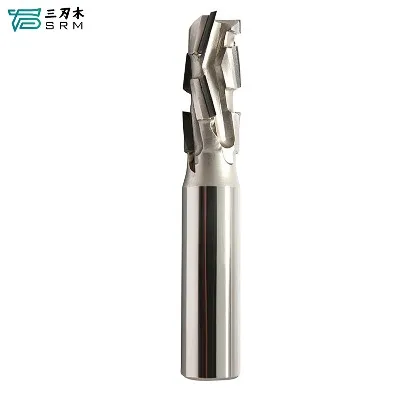
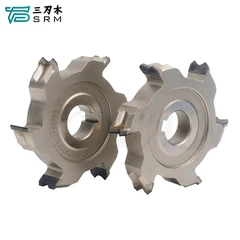
For circular wood saws, there are different blade options depending on the type of wood you're cutting and the finish you want. For instance, if you're cutting hardwood, you might want a blade with carbide - tipped teeth. These teeth are extremely hard and can withstand the wear and tear of cutting through dense wood fibers. You can check out our Diamond Blade for Circular Saw, which is perfect for tough wood - cutting jobs.
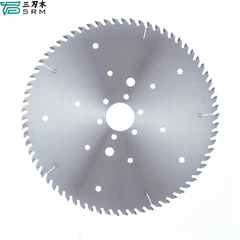
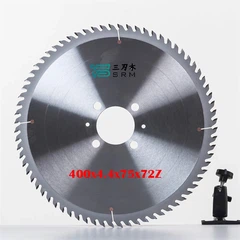
If you're doing panel sizing, our Panel Sizing Saw Blade is a great choice. It gives you precise cuts and a smooth finish on plywood and other panel materials. And for those who use sliding table machines, our Saw Blade for Sliding Table Machine is designed to work seamlessly with these machines, providing accurate and efficient cuts.
Circular drywall saws, on the other hand, use a different type of blade. The blades are usually made of a thinner gauge of steel, and they have a fine - tooth pattern. This is because drywall is made up of a soft gypsum core sandwiched between two layers of paper. The fine teeth are able to cut through the paper and gypsum cleanly without leaving a rough edge or causing the drywall to crumble.
Cutting Power and Speed
Another significant difference is the cutting power and speed. Circular wood saws are typically more powerful. They have motors with higher horsepower ratings, which allows them to cut through thick wood quickly. The speed of the blade can also be adjusted depending on the type of cut you're making. For example, when making a rip cut (cutting along the grain of the wood), you might want a higher speed to make the process faster. When making a cross - cut (cutting across the grain), a lower speed can give you a cleaner cut.
Circular drywall saws don't need as much power because drywall is easier to cut. They usually have a lower horsepower motor, which also makes them more energy - efficient. The cutting speed is generally slower than that of a circular wood saw, but that's okay because drywall doesn't require the same level of force to cut through.
Applications
The applications for circular wood saws and circular drywall saws are quite different. Circular wood saws are used in a wide range of woodworking projects. Whether you're building a deck, a piece of furniture, or framing a house, a circular wood saw is an essential tool. You can use it to make straight cuts, bevel cuts, and even some angled cuts with the right attachments.
Circular drywall saws, as the name suggests, are mainly used for cutting drywall. They're perfect for installing drywall sheets in a room, cutting out holes for electrical outlets or light fixtures, and making custom - sized cuts for irregular spaces. They're also useful for some DIY drywall repair jobs.
Safety Considerations
Safety is always a top priority when using power tools, and both circular wood saws and circular drywall saws have their own safety considerations.
With circular wood saws, because of their high power and the nature of the material being cut, there's a greater risk of kickback. Kickback occurs when the wood binds the blade, causing the saw to suddenly jerk back towards the user. To prevent this, it's important to use a saw with a kickback prevention device, keep the blade sharp, and make sure the wood is properly supported.
Circular drywall saws, while less powerful, still require careful handling. The fine - tooth blades can cause small cuts if they come into contact with your skin, and the dust generated from cutting drywall can be a health hazard. It's important to wear safety goggles, a dust mask, and gloves when using a circular drywall saw.
Cost
Cost is also a factor to consider. Generally, circular wood saws are more expensive than circular drywall saws. This is because of the higher - quality materials used in their construction, the more powerful motors, and the more advanced blade technology. However, the cost can vary depending on the brand, features, and size of the saw.
Circular drywall saws are more affordable, making them a great option for DIYers and those on a budget. But remember, when it comes to power tools, it's often worth investing in a quality product to ensure safety and performance.
Conclusion
So, to sum it up, the main differences between circular wood saws and circular drywall saws lie in their design, blade types, cutting power and speed, applications, safety considerations, and cost. If you're in the market for a saw and you're mainly working with wood, a circular wood saw is the way to go. If you're doing a lot of drywall work, then a circular drywall saw will be your best friend.
As a circular wood saw supplier, I'm here to help you find the right saw and blade for your needs. Whether you're a professional woodworker or a DIY enthusiast, we have a wide range of products to suit your requirements. If you're interested in learning more about our circular wood saws or have any questions, feel free to reach out. Let's start a conversation about how we can help you with your next project!
References
- "Power Tools Handbook" - A comprehensive guide on different types of power tools and their uses.
- Manufacturer's manuals for circular wood saws and circular drywall saws.


