






Hey there! As a supplier of planer cutterheads, I've seen firsthand how crucial it is to optimize the cutting parameters. It can make a huge difference in the quality of your work, the efficiency of your operations, and even the lifespan of your cutterheads. So, let's dive into how you can do just that.
Understanding the Basics
First things first, we need to understand what cutting parameters are. In simple terms, they're the settings and conditions that you use when operating a planer cutterhead. These include things like the cutting speed, feed rate, depth of cut, and the type of material you're working with. Each of these factors can have a significant impact on the performance of your cutterhead.
Cutting Speed
The cutting speed is how fast the cutterhead rotates. It's usually measured in revolutions per minute (RPM). A higher cutting speed can lead to a smoother finish, but it can also cause more wear and tear on the cutterhead. On the other hand, a lower cutting speed might result in a rougher finish, but it can extend the life of the cutterhead.


To determine the optimal cutting speed, you need to consider the type of material you're cutting. For example, softer materials like pine can handle a higher cutting speed than harder materials like oak. You can usually find recommended cutting speeds in the manufacturer's guidelines for your cutterhead.
Feed Rate
The feed rate is how fast the material is fed into the cutterhead. It's typically measured in inches per minute (IPM). A higher feed rate can increase productivity, but it can also cause the cutterhead to work harder and potentially lead to a poorer finish. A lower feed rate can result in a better finish, but it will take longer to complete the job.
Just like with cutting speed, the optimal feed rate depends on the material you're cutting. Softer materials can generally handle a higher feed rate than harder materials. You may also need to adjust the feed rate based on the depth of cut. A deeper cut may require a lower feed rate to prevent the cutterhead from overloading.
Depth of Cut
The depth of cut is how much material is removed in a single pass. It's measured in inches or millimeters. A larger depth of cut can reduce the number of passes needed to complete the job, but it can also put more stress on the cutterhead and the machine. A smaller depth of cut can result in a better finish, but it will take more passes to achieve the desired thickness.
When choosing the depth of cut, you need to balance the need for efficiency with the capabilities of your cutterhead and machine. You also need to consider the material you're cutting. Some materials may be more prone to chipping or splintering if the depth of cut is too large.
Adjusting for Different Materials
Different materials require different cutting parameters. Here's a quick guide on how to adjust your settings for some common materials:
Wood
Wood is one of the most common materials cut with planer cutterheads. As mentioned earlier, softer woods like pine can handle higher cutting speeds and feed rates than harder woods like oak. When cutting wood, it's also important to consider the grain direction. Cutting against the grain can cause tear-out, so it's usually best to cut with the grain whenever possible.
Plastic
Plastic can be a bit tricky to cut because it can melt or deform if the cutting speed is too high. You'll generally want to use a lower cutting speed and a higher feed rate when cutting plastic. This helps to prevent the plastic from overheating and ensures a clean cut.
Metal
Cutting metal requires a different set of tools and techniques than cutting wood or plastic. You'll need a cutterhead specifically designed for metal cutting, and you'll likely need to use a coolant to prevent the cutterhead from overheating. The cutting speed and feed rate for metal will depend on the type of metal you're cutting, but in general, you'll want to use a lower cutting speed and a higher feed rate than you would for wood.
Using the Right Cutterhead
Choosing the right cutterhead for the job is just as important as optimizing the cutting parameters. At our company, we offer a wide range of cutterheads to suit different needs. For example, if you're looking for a cutterhead for rabbeting, you might be interested in our Rabbeting Cutter Heads with 40mm Profile Knives. These cutterheads are designed to make precise rabbets in a variety of materials.
If you need to make miter cuts, our Degree Locking Miter Cutter Heads are a great option. They allow you to make accurate miter cuts at different angles, which is perfect for projects like picture frames and cabinetry.
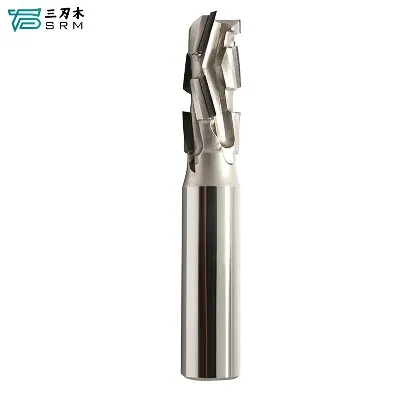
And if you're working on a project that requires tenon milling, our Disposable Carbide Blade Tenon Milling Cutter can help you get the job done quickly and efficiently. The disposable carbide blades are easy to replace, which means less downtime and more productivity.
Testing and Fine-Tuning
Once you've set your initial cutting parameters and chosen the right cutterhead, it's time to test the setup. Start with a small piece of scrap material that's the same as the material you'll be using for your project. Make a few passes with the cutterhead and examine the results.
If the finish is too rough, you may need to adjust the cutting speed or feed rate. If the cutterhead is making too much noise or vibrating excessively, it could be a sign that the depth of cut is too large or the cutting speed is too high. Keep making small adjustments and testing until you achieve the desired results.
Maintenance and Care
Proper maintenance and care of your cutterhead are essential for optimizing its performance and extending its lifespan. Make sure to clean the cutterhead regularly to remove any debris or buildup. You should also sharpen or replace the blades as needed. Dull blades can cause a poor finish and put more stress on the cutterhead and the machine.
In addition, store your cutterhead in a dry, clean place to prevent rust and corrosion. If you're not going to be using the cutterhead for an extended period, it's a good idea to lubricate the moving parts to prevent them from seizing up.
Conclusion
Optimizing the cutting parameters of a planer cutterhead is a combination of science and art. It takes some trial and error to find the perfect settings for your specific needs, but the results are well worth the effort. By understanding the basics of cutting speed, feed rate, and depth of cut, adjusting for different materials, using the right cutterhead, testing and fine-tuning, and maintaining your equipment, you can achieve a high-quality finish, increase productivity, and save money in the long run.
If you're interested in learning more about our planer cutterheads or have any questions about optimizing cutting parameters, we'd love to hear from you. Feel free to reach out to us for a consultation and let's start a conversation about how we can help you take your woodworking or machining projects to the next level.
References
- Woodworking Machinery Handbook
- Manufacturer's guidelines for planer cutterheads