







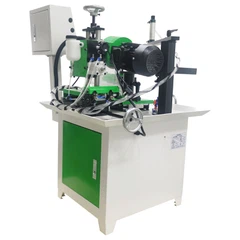

Hey there! As a supplier of spiral cutterheads, I often get asked about the difference between a spiral cutterhead for end - milling and face - milling. In this blog, I'll break it down for you in a simple and easy - to - understand way.
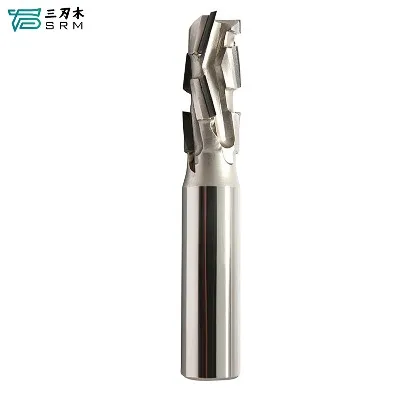
Let's start with end - milling. End - milling is a machining process where the cutting action occurs at the end of the cutter. A spiral cutterhead for end - milling is designed to cut along the side of a workpiece, creating slots, pockets, or profiles. The spiral arrangement of the cutting inserts on the cutterhead is a game - changer. It allows for a smooth cutting action because the inserts engage with the material gradually. This reduces the cutting force, which in turn leads to less vibration and better surface finish on the workpiece.
When using a spiral cutterhead for end - milling, you're typically working on the edges or internal features of a part. For example, if you're making a mold with some intricate internal channels, an end - milling spiral cutterhead can be your best friend. It can cut through the material precisely, following the desired path to create the exact shape you need.

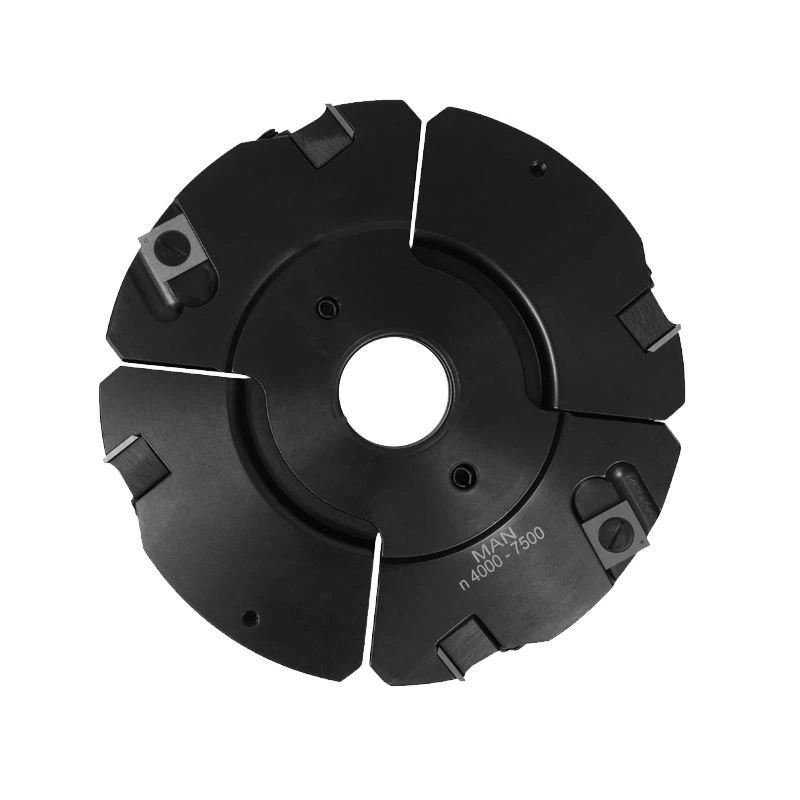
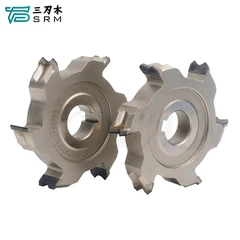
Now, let's talk about face - milling. Face - milling is all about machining flat surfaces. A spiral cutterhead for face - milling is used to remove material from the top surface of a workpiece. The spiral design of the cutterhead here also plays a crucial role. It enables the cutter to take larger cuts while maintaining a high - quality surface finish. The cutting inserts are arranged in a way that they cover a large area of the surface being machined.
One of the key differences between the two is the cutting direction. In end - milling, the cutting is mainly done on the side of the workpiece, while in face - milling, it's on the top surface. This means that the forces acting on the cutterhead and the workpiece are different in each case.
Another difference lies in the chip evacuation. In end - milling, chips need to be removed from the side of the cutter. The spiral design helps in guiding the chips out of the cutting area. In face - milling, the chips are usually directed downwards and away from the surface being machined.
Let's also consider the application scenarios. End - milling is great for creating detailed features, like small grooves or complex shapes. For instance, if you're making a precision part for a machine, end - milling can be used to create the necessary slots and holes. On the other hand, face - milling is ideal for large - scale surface machining. If you're working on a big metal plate and need to get a smooth, flat surface, a face - milling spiral cutterhead is the way to go.
Now, I want to mention some of the products we offer that are related to these cutterheads. We have a Planer Cutterhead which is a great option for various milling tasks. It's designed to provide a high - quality cutting performance and can be used in both end - milling and face - milling operations.
Our Adjustable Grooving Tools Set is also a fantastic addition. It gives you more flexibility in your machining processes, especially when you need to create different sized grooves during end - milling.
And for those who are into thickness planing, our Thickness Planer Cutterhead is a top - notch choice. It can ensure a smooth and accurate planing of the material thickness.
If you're in the market for spiral cutterheads for end - milling or face - milling, or any of the related products I've mentioned, we're here to help. Whether you're a small - scale workshop or a large manufacturing plant, we can provide you with the right solutions. We understand that every machining project is unique, and we're committed to offering the best products to meet your specific needs.
Contact us if you're interested in purchasing our products. We're always ready to have a detailed discussion about your requirements and help you find the perfect spiral cutterhead for your job. Let's work together to make your machining projects a success!
References:
- "Machining Handbook" - A comprehensive guide on machining processes and tools.
- "Cutting Tool Engineering" - A magazine that provides in - depth knowledge about cutting tools and their applications.


