






What is the difference between an O Flute Router Bit and other router bits?
Router bits are essential tools in woodworking, metalworking, and other material - shaping industries. Each type of router bit has its unique characteristics, applications, and performance. As a supplier of O Flute Router Bits, I am often asked about the differences between O Flute Router Bits and other router bits. In this blog post, I will delve into these differences to help you understand which bit is the best fit for your specific needs.
1. Cutting Geometry
The cutting geometry of a router bit significantly affects its performance.
O Flute Router Bits
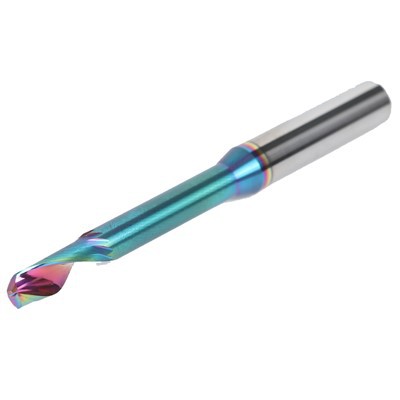
O Flute Router Bits have a distinct O - shaped flute design. This design allows for efficient chip evacuation. The rounded shape of the flute helps the chips to move smoothly out of the cutting area. This is particularly important when working with dense materials or at high feed rates. The O - shape also provides a relatively large cutting edge, which can result in a smoother cut compared to some other bit designs. For example, when cutting through thick hardwood, the O Flute Router Bit can quickly and cleanly remove material while minimizing the risk of chip - out.
Spiral Up Cut Bits
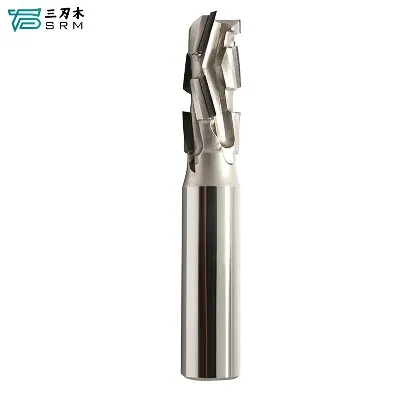
Spiral Up Cut Bits have a spiral flute that rotates upward. This design is excellent for surface finishing. As the bit cuts, it pulls the chips up and out of the cut, leaving a clean and smooth top surface. However, on the bottom surface, there may be a tendency for tear - out, especially when cutting through materials like plywood. Spiral Up Cut Bits are commonly used in applications where a smooth top - side finish is crucial, such as in the production of cabinet doors or decorative panels.
Ball Nose Router Bit
Ball Nose Router Bit features a rounded tip, similar to a ball. This makes it ideal for three - dimensional carving and contouring. Unlike the O Flute Router Bit, which is mainly used for straight cuts and edge profiling, the Ball Nose Router Bit can create smooth curves and rounded surfaces. For instance, in the creation of sculptures or the carving of detailed moldings, the Ball Nose Router Bit is the tool of choice as it can follow complex contours with ease.
Aluminum Router Bit
Aluminum Router Bit is specifically designed for cutting aluminum and other non - ferrous metals. These bits usually have a high helix angle and sharp cutting edges. The high helix angle helps in rapid chip evacuation, which is crucial when cutting metals as they tend to produce long, stringy chips. The O Flute Router Bit, on the other hand, is more commonly used for wood and plastic materials and may not be as effective when cutting metals due to differences in material properties and cutting requirements.
2. Material Compatibility
Different router bits are designed to work best with specific materials.
O Flute Router Bits
O Flute Router Bits are versatile and can be used with a wide range of materials, including wood, plastic, and some soft composites. They are particularly well - suited for materials that are prone to chipping, as the O - shaped flute design helps to reduce the impact on the material during cutting. For example, when working with particleboard or MDF, the O Flute Router Bit can provide a clean cut with minimal chipping.
Spiral Up Cut Bits
Spiral Up Cut Bits are mainly used for wood and wood - based materials. They work well with plywood, solid wood, and veneers. However, they may not be the best choice for materials that are too brittle or have a high resin content, as the upward chip - pulling action can cause the material to break or splinter.
Ball Nose Router Bit
Ball Nose Router Bits are used for a variety of materials, including wood, plastic, and some metals for light - duty applications. In woodworking, they are used for creating decorative elements and detailed carvings. In the plastics industry, they can be used for making molds and prototypes with curved surfaces.
Aluminum Router Bit
As the name suggests, Aluminum Router Bits are designed specifically for cutting aluminum and other non - ferrous metals such as brass and copper. Using an O Flute Router Bit on aluminum can lead to rapid wear of the bit and poor cutting quality, as the bit is not optimized for the hardness and chip - forming characteristics of metals.
3. Cutting Performance
The cutting performance of a router bit is determined by factors such as cutting speed, feed rate, and the quality of the cut.
O Flute Router Bits
O Flute Router Bits offer a good balance between cutting speed and cut quality. They can handle relatively high feed rates while maintaining a smooth cut. The efficient chip evacuation design allows for continuous cutting without the risk of chips clogging the flute, which can lead to overheating and poor cutting performance. For example, in a production - line woodworking operation, an O Flute Router Bit can quickly profile the edges of wooden boards with a high degree of accuracy.
Spiral Up Cut Bits
Spiral Up Cut Bits are known for their excellent surface finishing capabilities. They can produce a very smooth top surface, but the cutting speed may be limited compared to O Flute Router Bits. The upward chip - pulling action requires a slower feed rate to ensure that the chips are properly removed from the cut. If the feed rate is too high, the chips may not be evacuated effectively, leading to a rough surface finish.
Ball Nose Router Bit
Ball Nose Router Bits are designed for precision carving and contouring. The cutting speed is usually slower compared to other bits, as the focus is on creating detailed and accurate shapes. The rounded tip of the bit allows for smooth transitions between curves, but it may take more time to cover a large area compared to a straight - cutting bit like the O Flute Router Bit.
Aluminum Router Bit
Aluminum Router Bits are optimized for high - speed cutting of metals. They can handle high cutting speeds and feed rates when cutting aluminum. The sharp cutting edges and high helix angle ensure efficient chip removal and a clean cut. However, using an Aluminum Router Bit on wood or plastic would be inefficient and may cause damage to the material.
4. Application Areas
The application areas of router bits vary depending on their design and performance characteristics.


O Flute Router Bits
O Flute Router Bits are commonly used in edge profiling, dado cutting, and rabbeting operations. In the furniture industry, they are used to create smooth edges on table tops, chair legs, and cabinet parts. They are also used in the production of picture frames, where a clean and precise cut is required.
Spiral Up Cut Bits
Spiral Up Cut Bits are widely used in applications where a smooth top - side finish is required, such as in the production of cabinet doors, drawer fronts, and decorative panels. They are also used in inlay work, where the clean cut helps to ensure a perfect fit between the inlay and the base material.
Ball Nose Router Bit
Ball Nose Router Bits are used in three - dimensional carving, mold - making, and the production of custom - shaped parts. In the sign - making industry, they are used to create raised letters and decorative elements. In the jewelry - making industry, they can be used for carving intricate designs on metal or plastic blanks.
Aluminum Router Bit
Aluminum Router Bits are used in the aerospace, automotive, and electronics industries for cutting aluminum components. They are used to create precision parts such as heat sinks, brackets, and enclosures.
In conclusion, understanding the differences between O Flute Router Bits and other router bits is crucial for choosing the right tool for your specific application. Whether you are a professional woodworker, a metal fabricator, or a hobbyist, selecting the appropriate router bit can significantly improve the quality of your work and increase your productivity.
If you are interested in purchasing O Flute Router Bits or have any questions about our products, please feel free to contact us for a detailed discussion and procurement negotiation. We are committed to providing high - quality router bits and excellent customer service.
References
- Woodworking Machinery and Tools Handbook, various editions
- Metal Cutting Handbook, published by industry - leading publishers
- Router Bit Manufacturer's Technical Documentation