








What is the Feed Rate for a Dovetail CNC Bit?
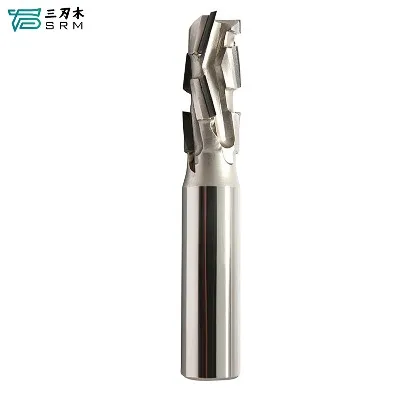
In the world of CNC machining, the dovetail CNC bit is a specialized cutting tool that plays a crucial role in creating dovetail joints. These joints are known for their strength and aesthetic appeal, making them a popular choice in woodworking, cabinetry, and other precision manufacturing applications. One of the key factors that can significantly impact the performance and quality of the machining process when using a dovetail CNC bit is the feed rate.
Understanding Feed Rate
The feed rate refers to the speed at which the workpiece moves past the cutting tool during the machining process. It is typically measured in inches per minute (IPM) or millimeters per minute (mm/min). A proper feed rate is essential for achieving optimal results. If the feed rate is too high, the cutting tool may experience excessive wear, breakage, or produce a poor surface finish on the workpiece. On the other hand, if the feed rate is too low, it can lead to extended machining times, increased heat generation, and potential over - cutting.
Factors Affecting the Feed Rate of a Dovetail CNC Bit
Several factors influence the appropriate feed rate for a dovetail CNC bit:
-
Material of the Workpiece
- Different materials have different hardness and machinability. For example, softwoods such as pine or cedar are relatively easy to cut compared to hardwoods like oak or walnut. When working with softwoods, a higher feed rate can generally be used. A typical feed rate for cutting pine with a dovetail CNC bit might range from 60 - 100 IPM. In contrast, for hardwoods, the feed rate may need to be reduced to 30 - 60 IPM to ensure clean cuts and prevent tool wear.
- Non - wooden materials like plastics and composites also have their own unique characteristics. Softer plastics may allow for higher feed rates similar to softwoods, while more rigid composites may require a feed rate closer to that of hardwoods.
-
Bit Size and Geometry
- The size of the dovetail CNC bit, including its diameter and the angle of the dovetail, affects the feed rate. Larger diameter bits generally require a lower feed rate because they engage more material at once. For a small - diameter dovetail bit (e.g., 1/4 - inch diameter), a relatively higher feed rate can be used compared to a larger 1 - inch diameter bit.
- The geometry of the bit, such as the number of flutes, also plays a role. Bits with more flutes can remove material more efficiently at a given feed rate. However, they may also require more power to operate. For example, a 2 - flute dovetail CNC bit may have a different optimal feed rate compared to a 4 - flute bit of the same diameter.
-
Machine Power and Rigidity
- The power and rigidity of the CNC machine are important considerations. A more powerful machine can handle higher feed rates without stalling. If the machine lacks sufficient power, attempting a high feed rate can cause the spindle to slow down or even stop, resulting in a poor - quality cut and potential damage to the bit.
- The rigidity of the machine affects the stability of the cutting process. A rigid machine can better withstand the forces generated during cutting, allowing for more consistent feed rates and better overall performance.
-
Cutting Depth
- The depth of the cut made by the dovetail CNC bit also impacts the feed rate. Deeper cuts require more material to be removed, which generally means a lower feed rate. For shallow cuts, a higher feed rate can often be used safely. For example, if making a very shallow dovetail cut (e.g., 1/16 - inch deep), the feed rate can be higher than when cutting a full - depth dovetail joint (e.g., 1/2 - inch deep).
Determining the Optimal Feed Rate
To determine the optimal feed rate for a dovetail CNC bit, it is often necessary to conduct some testing. Here are the general steps:
- Refer to Manufacturer's Recommendations
- The manufacturer of the dovetail CNC bit usually provides some guidelines on recommended feed rates based on different materials and cutting conditions. These recommendations are a good starting point for your machining process.
- Conduct Test Cuts
- Start with a relatively conservative feed rate within the manufacturer's recommended range. Make a few test cuts on a scrap piece of the same material as your actual workpiece.
- Observe the cutting performance, including the surface finish of the cut, the chip formation, and any signs of tool wear or vibration. If the cut looks clean, the chips are being ejected properly, and there are no excessive vibrations, the feed rate may be appropriate.
- If the cut is rough, the chips are large and difficult to manage, or there are signs of tool over - stress, you may need to reduce the feed rate. Conversely, if the machining time is overly long and the cutting process seems sluggish, you can gradually increase the feed rate in small increments.
Adjusting Feed Rate for Different Applications
- Fine - Finish Applications
- In applications where a high - quality surface finish is required, such as in high - end cabinetry or furniture making, a lower feed rate is often necessary. This allows the dovetail CNC bit to make more precise cuts and reduces the likelihood of leaving rough edges or tear - out on the workpiece. For example, when creating dovetail joints for a luxury cabinet, a feed rate at the lower end of the recommended range for the material may be used.
- High - Volume Production
- In high - volume production settings, where minimizing machining time is a priority, achieving the maximum safe feed rate becomes crucial. However, it is important not to sacrifice quality for speed. By carefully optimizing the feed rate based on the machine's capabilities, the material, and the bit, manufacturers can increase productivity without compromising on the integrity of the dovetail joints.
Our Dovetail CNC Bits and Feed Rate Considerations
As a leading dovetail CNC bit supplier, we understand the importance of providing not only high - quality cutting tools but also the knowledge to use them effectively. Our dovetail CNC bits are manufactured with precision using the latest technology and high - grade materials, ensuring long - lasting performance.
When you choose our dovetail CNC bits, we are committed to assisting you in determining the optimal feed rate for your specific application. Our technical support team is available to answer any questions you may have regarding feed rates, taking into account the factors mentioned above.
In addition to our dovetail CNC bits, we also offer a wide range of other router bits, such as the Step Router Bit, TCT Chamfering Slotting Bit, and Brazing Blade Straight Router Bit. These products are designed to meet the diverse needs of the CNC machining industry.


If you are looking for high - quality dovetail CNC bits and expert advice on feed rates and other machining parameters, we invite you to contact us. Our team is ready to discuss your specific requirements and help you find the best solutions for your CNC machining projects. Whether you are a small - scale woodworker or a large - scale manufacturing company, we have the products and expertise to support your success.
References
- "CNC Machining Handbook" - A comprehensive guide on CNC machining processes and parameters.
- Manufacturer's documentation for various dovetail CNC bits.
- Industry research papers on cutting tool performance and feed rate optimization.


