






Hey there, fellow woodworking enthusiasts! As a supplier of Dovetail CNC Bits, I often get asked about the noise level when using these bits. Today, I'm gonna dive deep into this topic and share some insights with you.
First off, let's talk about what causes the noise when using a Dovetail CNC Bit. The main culprit is the interaction between the bit and the material it's cutting. When the bit spins at high speeds and bites into the wood, it creates vibrations. These vibrations then produce sound waves, which we perceive as noise.
The speed of the CNC machine also plays a huge role. The faster the spindle rotates, the louder the noise is likely to be. This is because higher speeds mean more intense vibrations. Additionally, the type of material being cut matters. Harder woods like oak or maple tend to generate more noise compared to softer woods like pine.
Now, let's get into the actual noise levels. On average, when using a Dovetail CNC Bit, the noise level can range from around 80 to 100 decibels. To put that into perspective, normal conversation is about 60 decibels, and a lawnmower can reach around 90 decibels. So, using a Dovetail CNC Bit is definitely louder than your everyday chat.
But why does the noise level matter? Well, for one, excessive noise can be a nuisance, especially if you're working in a shared space. It can also have long - term effects on your hearing. Prolonged exposure to high - decibel noise can lead to hearing loss, tinnitus, and other auditory problems.
So, what can you do to reduce the noise? One option is to use sound - dampening materials. You can line the inside of your CNC machine enclosure with acoustic foam. This foam helps to absorb the sound waves and reduce the overall noise level. Another thing you can do is to adjust the cutting parameters. For example, reducing the spindle speed a bit can lower the noise, although it might also slow down the cutting process.
Now, I know you might be wondering how our Dovetail CNC Bits compare to other types of router bits in terms of noise. Well, compared to Step Router Bit, the noise levels are somewhat similar. Step Router Bits also create vibrations when cutting, and the noise they produce is mainly due to the interaction with the material.
Carbide Tipped Straight Router Bit might have a slightly different noise profile. Since they are designed for straight cuts, the way they interact with the material is a bit different. However, they can still generate a fair amount of noise, especially at high speeds.
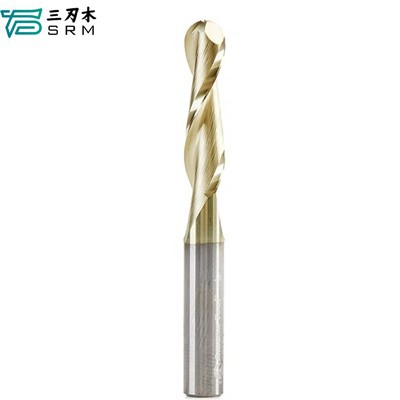
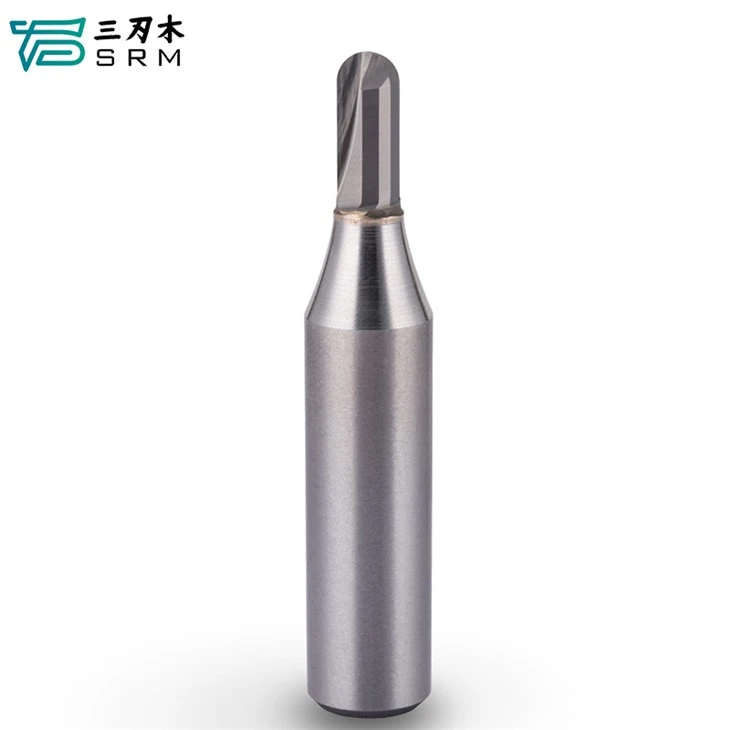
Ball Nose Engraving Bit is often used for more detailed work. The noise level with these bits can vary depending on the depth of cut and the speed. Generally, they can be a bit quieter than Dovetail CNC Bits, especially when doing light engraving work.
As a supplier of Dovetail CNC Bits, I'm always looking for ways to improve the user experience. We're constantly researching and developing new designs to reduce noise without sacrificing cutting performance. Our bits are made from high - quality materials that are designed to be durable and efficient.
If you're in the market for Dovetail CNC Bits, or any of our other router bits, I encourage you to reach out. We offer a wide range of products to meet your woodworking needs. Whether you're a professional woodworker or a hobbyist, we've got something for you.
Don't hesitate to contact us to discuss your requirements. We're here to help you find the perfect bit for your project. Whether it's about the noise level, cutting performance, or any other aspect, we're happy to answer your questions.
In conclusion, the noise level when using a Dovetail CNC Bit can be significant, but there are ways to manage it. By understanding the factors that contribute to the noise and taking steps to reduce it, you can have a more pleasant and safe woodworking experience.
References

- Woodworking Machinery Noise Standards, Industry Research Report
- Acoustic Properties of Woodworking Tools, Journal of Woodworking Science