







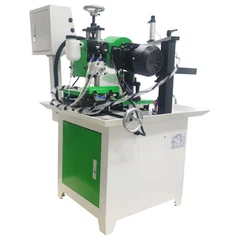

When it comes to the world of woodworking and machining, trimming cutterheads play a crucial role in achieving precise and efficient cutting operations. As a leading supplier of trimming cutterheads, I often receive inquiries about the weight of a typical trimming cutterhead. In this blog post, I will delve into this topic, exploring the factors that influence the weight of these cutterheads and providing some insights into their typical weight ranges.
Understanding Trimming Cutterheads
Trimming cutterheads are essential tools used in various woodworking and machining applications. They are designed to remove excess material, shape edges, and create smooth finishes on workpieces. These cutterheads come in different shapes, sizes, and configurations, depending on the specific requirements of the cutting task.
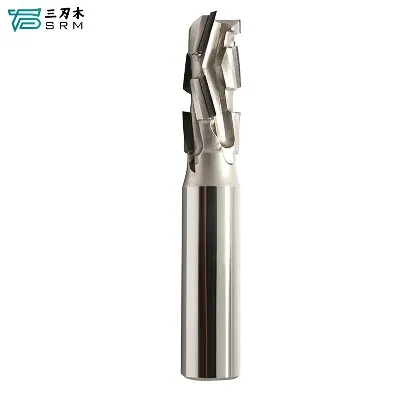
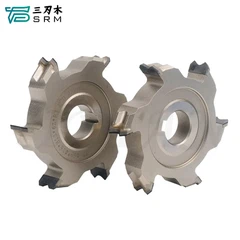
There are several types of trimming cutterheads available in the market, including Disposable Carbide Blade Tenon Milling Cutter, Spiral Cutterhead, and Planer Cutterhead. Each type has its own unique features and advantages, and the weight of the cutterhead can vary significantly depending on its design and construction.
Factors Influencing the Weight of Trimming Cutterheads
The weight of a trimming cutterhead is influenced by several factors, including:
- Size and Diameter: Larger cutterheads generally weigh more than smaller ones. The diameter of the cutterhead determines the cutting width and the amount of material it can remove in a single pass. As the diameter increases, the weight of the cutterhead also increases.
- Material: The material used to manufacture the cutterhead has a significant impact on its weight. Cutterheads can be made from various materials, such as steel, aluminum, and carbide. Steel cutterheads are typically heavier than aluminum ones, while carbide cutterheads are the lightest due to their high strength-to-weight ratio.
- Number of Blades: The number of blades on a cutterhead affects its weight. Cutterheads with more blades generally weigh more than those with fewer blades. The additional blades increase the cutting capacity and efficiency of the cutterhead but also add to its overall weight.
- Design and Construction: The design and construction of the cutterhead can also influence its weight. Some cutterheads are designed with a more complex structure, which may include additional components or features that add to the weight. For example, cutterheads with a built-in coolant system or a vibration dampening mechanism may be heavier than those without these features.
Typical Weight Ranges of Trimming Cutterheads
The weight of a typical trimming cutterhead can vary widely depending on the factors mentioned above. However, to give you a general idea, here are some typical weight ranges for different types of trimming cutterheads:


- Disposable Carbide Blade Tenon Milling Cutter: These cutterheads typically weigh between 2 to 5 kilograms (4.4 to 11 pounds). The weight can vary depending on the size, number of blades, and the material used.
- Spiral Cutterhead: Spiral cutterheads are known for their high cutting performance and smooth finishes. They generally weigh between 5 to 15 kilograms (11 to 33 pounds), depending on the diameter, number of blades, and the material used.
- Planer Cutterhead: Planer cutterheads are used for planing and smoothing wood surfaces. They typically weigh between 10 to 20 kilograms (22 to 44 pounds), depending on the size and the number of blades.
It's important to note that these weight ranges are just estimates, and the actual weight of a trimming cutterhead may vary depending on the specific model and manufacturer. If you need more accurate information about the weight of a particular cutterhead, I recommend contacting the manufacturer or supplier directly.
Importance of Weight in Trimming Cutterheads
The weight of a trimming cutterhead can have several implications for its performance and usability. Here are some key points to consider:
- Stability: A heavier cutterhead generally provides more stability during cutting operations. This is especially important when working with large or heavy workpieces, as the additional weight helps to reduce vibrations and ensure a more precise cut.
- Power Requirements: The weight of the cutterhead can also affect the power requirements of the machine. Heavier cutterheads may require more power to operate, which can impact the overall energy consumption and performance of the machine.
- Handling and Installation: The weight of the cutterhead can make it more difficult to handle and install. This is particularly important for operators who need to change the cutterhead frequently or work in tight spaces.
Conclusion
In conclusion, the weight of a typical trimming cutterhead can vary depending on several factors, including size, material, number of blades, and design. Understanding these factors can help you choose the right cutterhead for your specific needs and ensure optimal performance and efficiency.
As a leading supplier of trimming cutterheads, we offer a wide range of high-quality cutterheads to meet the diverse needs of our customers. If you have any questions or need further information about our products, please feel free to contact us. We are always happy to assist you in finding the right cutterhead for your application.
References
- Woodworking Machinery Handbook, 3rd Edition
- Machining Technology: An Introduction, 4th Edition
- Modern Woodworking: Tools, Techniques, and Projects


