








When it comes to woodworking, CNC machining, or any precision cutting tasks, choosing the right router bit can make a world of difference. As a supplier of Ball Nose Router Bits, I've seen firsthand how these specialized tools can transform a project. But the question is, when is it better to use a compression ball nose router bit? Let's dive in and find out.
Understanding Compression Ball Nose Router Bits
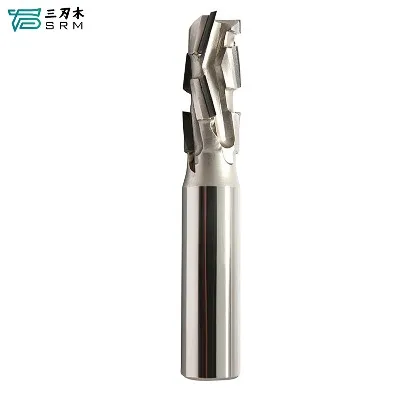
First off, let's quickly go over what a compression ball nose router bit is. It's a type of router bit with a rounded tip (the ball nose) and a unique cutting design that combines both up - cut and down - cut flutes. This combination creates a compression effect in the middle of the material being cut.
When Working with Laminated Materials
One of the prime scenarios where a compression ball nose router bit shines is when you're working with laminated materials. Laminates, like melamine - coated boards or veneered wood, are notorious for chipping at the edges during cutting. The up - cut portion of the compression bit pulls the chips up from the bottom layer, while the down - cut part forces the chips down on the top layer. This results in a clean, chip - free cut on both sides of the laminate.
For example, if you're making cabinets with a melamine - faced plywood, using a standard router bit might leave rough, chipped edges. But with a compression ball nose bit, you'll get a smooth finish on both the front (veneer side) and the back of the board. This not only looks better but also saves time that would otherwise be spent on sanding and edge - finishing.
Creating 3D Contours and Curves
Another great use case for compression ball nose router bits is when creating 3D contours and curves. The ball nose design allows for smooth, continuous cuts along the curved surfaces. It's perfect for carving out decorative moldings, sculpting wooden letters, or creating inlays.
When you're working on a complex 3D project, the compression action helps maintain precise control and reduces tear - out. Whether you're using CAD/CAM software to guide your CNC machine or doing hand - held routing, the compression ball nose bit will give you the accuracy you need. For instance, if you're making a custom - designed wooden bowl, the rounded tip of the bit can follow the curvature of the bowl's shape, and the compression effect ensures a clean and even cut throughout the process.
Inlay Work
Inlay work is a delicate and precise woodworking technique that involves cutting recesses in one piece of wood and fitting another piece into it. Compression ball nose router bits are ideal for this type of work. The compression action helps prevent the wood from splintering or cracking around the edges of the inlay cut.
Let's say you're creating an inlaid pattern on a wooden tabletop. The bit can cut the recesses for the inlay material with high precision, and the clean edges make it easier to fit the inlay pieces perfectly. This results in a seamless and professional - looking inlay that enhances the overall aesthetic of the project.
Comparing with Other Router Bits
It's also worth comparing compression ball nose router bits with other types of router bits to understand their advantages better.
Aluminum Router Bit
If you're working with aluminum or other non - ferrous metals, you might consider an Aluminum Router Bit. These bits are specifically designed to handle the unique properties of metals, like their hardness and heat conductivity. However, when it comes to wood and laminated materials, a compression ball nose router bit is a better choice. The compression action helps with the delicate nature of wood, preventing chipping and tear - out, which is not the main concern when cutting metals.
Spiral Up Cut Bits
Spiral Up Cut Bits are great for quickly removing large amounts of material from the bottom of a cut. They pull the chips up and out of the cut, which is useful for roughing out a project. But they can cause chipping on the top surface of the material. In contrast, a compression ball nose bit combines the benefits of up - cut and down - cut action, giving you a clean cut on both the top and bottom surfaces. So, if you're looking for a finish cut or working with materials that are prone to chipping, the compression ball nose bit is the way to go.
Spiral Milling Cutter
Spiral Milling Cutters are often used for high - speed milling operations in industrial settings. They are designed for efficient material removal. While they can be used for some woodworking tasks, they may not provide the same level of precision and clean finish as a compression ball nose router bit. The compression action of the ball nose bit is specifically tailored to reduce tear - out and chipping, which is crucial for high - quality woodworking projects.
Factors to Consider When Using Compression Ball Nose Router Bits
Before you start using a compression ball nose router bit, there are a few factors you need to consider.
Material Thickness
The thickness of the material you're working with matters. Compression ball nose bits are most effective when the material thickness is within the range of the bit's compression zone. If the material is too thick or too thin, the compression effect may not be as pronounced, and you might experience some chipping or tear - out. Make sure to choose a bit that is suitable for the thickness of your material.


Feed Rate and RPM
The feed rate (how fast the bit moves through the material) and the RPM (revolutions per minute of the router) also play a crucial role. If the feed rate is too fast, the bit may not have enough time to cut cleanly, resulting in a rough finish. On the other hand, if the RPM is too low, the bit may not cut efficiently, and it could cause excessive heat buildup. You'll need to find the right balance based on the type of material and the size of the bit.
Conclusion and Call to Action
In conclusion, compression ball nose router bits are a great choice for a variety of woodworking and precision cutting tasks, especially when working with laminated materials, creating 3D contours, or doing inlay work. Their unique compression action sets them apart from other types of router bits, providing a cleaner, more precise cut.
If you're interested in purchasing high - quality compression ball nose router bits or have any questions about which bit is right for your project, don't hesitate to reach out. We're here to help you make the most of your woodworking and machining endeavors.
References
- Woodworking Magazine, various issues on router bit selection and usage.
- CNC Machining Handbook, covering the basics of precision cutting tools.
- Manufacturer's guides on compression ball nose router bits.


