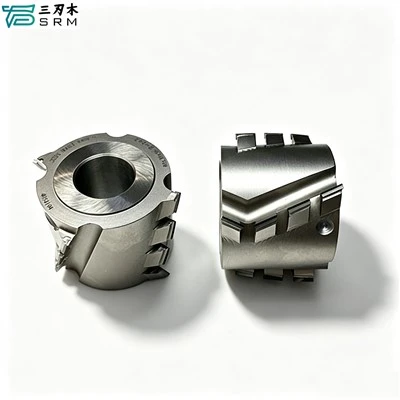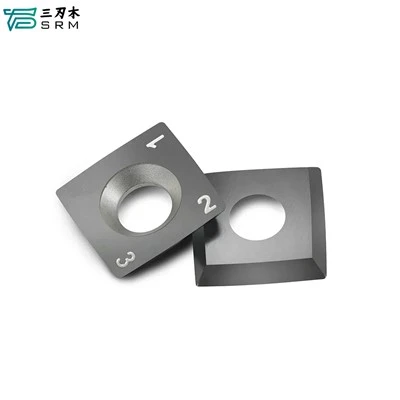


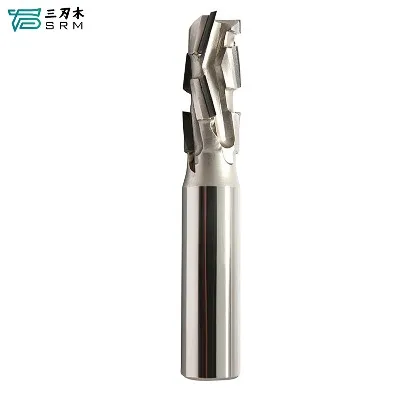

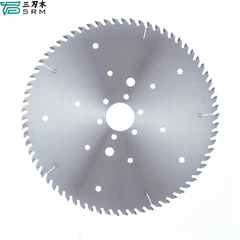


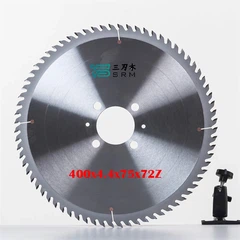

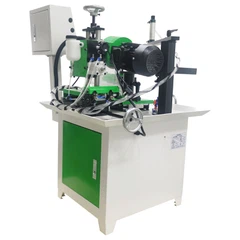
There are significant differences between slitting knives and straight knives in design and function, mainly in terms of the number of cutting edges, cutting effect, durability and scope of application.
Design differences
Number of cutting edges: Slitting knives usually have three cutting edges, while straight knives have only one cutting edge. This design difference directly affects their cutting efficiency and effect.
Cutting edge type: All three cutting edges of a slitting knife are straight edges, while straight knives usually have a single straight blade.
Cutting effect and durability
Cutting effect: Due to its multi-blade design, a slitting knife can crush wood chips more efficiently, discharge smoothly, have low noise, and cut smoothly and without burrs. A straight knife has a relatively single cutting, and its effect and efficiency are slightly inferior.
Durability: The durability of a slitting knife is 4 to 5 times more than that of a traditional welded straight knife, while the durability of a straight knife is relatively low.
Scope of application
Cutting knife: Suitable for a variety of materials such as solid wood, hardwood, particleboard, density board, medium-density fiberboard, etc., and can be used for drilling, carving, grooving, cutting, trimming and other processing needs.
Straight knife: Mainly used for cutting a single material, the scope of application is relatively narrow.