





The marketplace pages make it look easy - a few hundred SKUs, a photo, a price, a "best for" line. The listing is the easy part. A shop order for mortise and tenon router bits fails on the checks the listing page skips - the bit type that does not match your machine, the shank that does not seat in your collet, the flute geometry that packs chips instead of clearing them, and the tolerance that turns a clean tenon into a joint you have to shim. This guide walks through the mortise and tenon router bits checks that belong in the spec sheet review and the test cut, so the bits you approve cut the same joint every time and last through the batch.
The Bit Type: Mortise Cutters vs Bearing-Guided Tenon Cutters
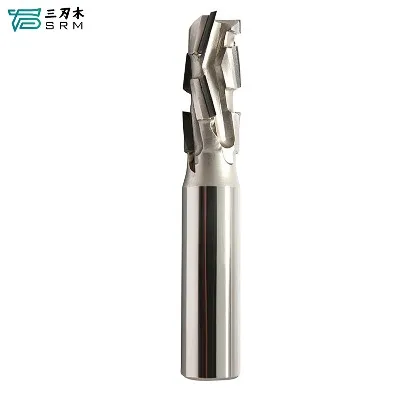
The first check is what the bit is actually cutting. Mortise cutters are straight-flute or spiral-flute bits that plunge into the workpiece to hog out the mortise slot; tenon cutters are usually bearing-guided bits that run along a template or a fence to shape the tenon on the end of the rail. Single-flute mortise bits clear chips through a deep cut and suit hand routers and CNC plunge work; double-flute bits cut faster and smoother in shallower passes; and spiral-flute mortise bits improve chip removal and cut stability in heavy production. A mortise and tenon router bits order that names the cutter type for each step - the mortise cutter and the tenon cutter - is an order you can run; the one that buys "a set" without the role of each bit is a kit with a gap in the middle.
The Shank and the Machine Interface
The shank decides whether the bit seats safely and runs true, and the interface has to match your machine before the cut geometry matters at all. Check the shank diameter - 1/4 inch and 1/2 inch are the standards for handheld routers, while CNC spindles often run collets that accept both - the shank length and the total length, and the collet fit in your router or spindle. A bit with the right cutting geometry and the wrong shank is a bit you cannot mount, and a loose or undersized shank in the collet is a runout problem and a safety problem at spindle speed. Confirm the shank spec against your machine's collet before you order mortise and tenon router bits in bulk, and check the shank tolerance on the spec sheet.
Flute Geometry and Chip Clearance
The flute geometry decides how the cut behaves, and chip clearance is where production mortising lives or dies. Check the flute count - single-flute bits clear the deep plunge cuts that mortising demands, double-flute bits balance speed and finish in shallower work - and the spiral direction: upcut spiral bits pull chips out of the cut and suit mortise slots, downcut spirals push the surface down and suit clean top edges, and straight-flute bits are the workhorse for template-guided tenon work. The chips that do not clear the cut re-cut, heat the bit, and burn the workpiece, and the heat is what kills a carbide edge. A mortise and tenon router bits quote that states the flute count and the spiral direction for each step is a spec you can trust; the one that sells "mortise bit" without the geometry is a guess you will re-order for mortise and tenon router bits.
Material, Grade, and Coating
The material and the coating decide how long the edge lasts, and the workpiece decides which grade makes sense. Check the carbide grade - micro-grain carbide holds a sharper edge and suits hardwoods and production runs - and the coating, where a heat-resistant coating extends edge life in abrasive materials. The workpiece matters too: solid hardwoods, plywood with glue lines, and melamine-faced panels each challenge the edge differently, and the bit spec should match the material your joints actually run in. A mortise and tenon router bits supplier that recommends the grade and the coating for your material mix is a supplier that has cut your job before; the one that quotes one bit for everything is a supplier you will re-qualify after the first burn mark on mortise and tenon router bits.
The Spec Sheet: Diameter, Cut Length, and Tolerance
The spec sheet is where the joint is actually defined, and the numbers deserve the same attention as the price. Check the cutter diameter against the mortise width and the tenon thickness the joint calls for, the cutting length against the mortise depth you need, the total length against your machine, and the tolerance on the diameter - a tenon that is two-tenths oversize changes the fit of every joint in the batch. Confirm the sizes your shop actually uses, and ask the supplier for the tolerance figures rather than assuming standard. A mortise and tenon router bits order with the diameter, cut length, and tolerance on paper is an order your CNC program can trust; the one bought on diameter alone is a fit problem that shows up on the first glue-up.
The Bulk Order Checks: Consistency, Regrinding, and Supply
The single-bit purchase ends at the test cut; the shop order ends at the tool room. Check the batch consistency - the same grade, the same geometry, and the same tolerance across every bit in the order, so a replacement bit cuts like the original - the regrinding service the supplier offers, and the re-sharpening spec that keeps the joint geometry after the first service. Then close on supply: the stock levels for the sizes you use, the lead time for repeats, and the packaging that keeps the edges safe in transit. A mortise and tenon router bits manufacturer that ships consistent batches, offers regrinding, and holds stock on your sizes is a vendor your tool room can rely on; the one that only ships bits is a vendor you will replace after the first inconsistent batch.
The checks line up: name the cutter type for each step, match the shank to your collet, verify the flute geometry and the chip clearance for the cut depth, spec the grade and the coating for your material, put the diameter, cut length, and tolerance on paper, and close on batch consistency, regrinding, and supply. Run every mortise and tenon router bits order through those six checks and the joint failures stay in other people's shops. Our tongue and groove router bit guide covers the mating joint on the panel edge, our straight router bit guide explains the straight-flute and plunge options, and our spiral router bit guide walks through the spiral geometry and the bearing-guided cutters. Send your joint sizes and your monthly volume to our inquiry page, and get a mortise and tenon router bits quote built around the checks in this guide - the spec sheet first, the price second.