






Can a Spiral Down Cut Bit be used for plunge - cutting?
As a supplier of Spiral Down Cut Bits, I often receive inquiries from customers about the various applications of our products, especially the question of whether a Spiral Down Cut Bit can be used for plunge - cutting. In this blog post, I will delve into this topic, exploring the characteristics of Spiral Down Cut Bits, the nature of plunge - cutting, and the feasibility of using these bits for such operations.
Understanding Spiral Down Cut Bits
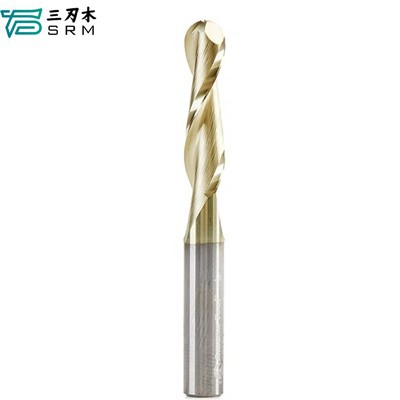
Spiral Down Cut Bits are a type of cutting tool commonly used in woodworking, plastics machining, and other materials processing industries. These bits are designed with a spiral flute that rotates in a direction that forces the chips downward towards the workpiece surface. This unique design offers several advantages.


One of the primary benefits of Spiral Down Cut Bits is the ability to produce a clean, smooth finish on the top surface of the workpiece. As the chips are forced downward, there is less chance of them being pulled up and causing tear - out or rough edges on the top layer. This makes Spiral Down Cut Bits ideal for applications where a high - quality surface finish is required, such as in cabinetry, signage, and decorative woodworking.
Another advantage is the reduced risk of the workpiece lifting or vibrating during the cutting process. The downward force exerted by the bit helps to keep the material firmly in place, resulting in more stable and accurate cuts. This is particularly important when working with thin or delicate materials that are prone to movement.
What is Plunge - cutting?
Plunge - cutting is a machining operation where the cutting tool enters the workpiece vertically, rather than moving horizontally along the surface. This technique is often used to create pockets, holes, or to start a cut in the middle of a workpiece. Plunge - cutting requires a cutting tool that can withstand the high axial forces generated during the vertical entry and is capable of efficiently removing material as it penetrates the workpiece.
Feasibility of Using Spiral Down Cut Bits for Plunge - cutting
The use of Spiral Down Cut Bits for plunge - cutting is a topic that has both pros and cons.
Advantages
- Surface Finish: As mentioned earlier, Spiral Down Cut Bits can provide a smooth finish on the top surface of the workpiece. When plunge - cutting, this can be beneficial in applications where the top surface appearance is critical. For example, when creating a pocket in a high - end wooden cabinet, a Spiral Down Cut Bit can leave a clean edge on the top layer, enhancing the overall aesthetic of the piece.
- Workpiece Stability: The downward force exerted by the Spiral Down Cut Bit helps to keep the workpiece stable during the plunge - cutting process. This can prevent the material from shifting or vibrating, resulting in more accurate and consistent cuts. This is especially useful when working with materials that are difficult to hold in place, such as thin sheets of plastic or softwoods.
Disadvantages
- Chip Evacuation: One of the main challenges when using Spiral Down Cut Bits for plunge - cutting is chip evacuation. Since the spiral flute of the bit forces the chips downward, it can be difficult for the chips to escape from the cutting area during a plunge - cut. This can lead to chip clogging, which in turn can cause overheating of the bit and poor cutting performance. In extreme cases, chip clogging can even cause the bit to break.
- Axial Load: Spiral Down Cut Bits are not specifically designed to handle the high axial loads associated with plunge - cutting. The design of these bits is more optimized for horizontal cutting, where the forces are distributed differently. When used for plunge - cutting, the bit may experience excessive wear or breakage due to the concentrated axial forces.
Mitigating the Challenges
If you decide to use a Spiral Down Cut Bit for plunge - cutting, there are several strategies you can employ to mitigate the challenges.
- Proper Feed and Speed: Adjusting the feed rate and spindle speed is crucial. A slower feed rate can help to reduce the axial load on the bit and allow for better chip evacuation. Similarly, the appropriate spindle speed can ensure that the bit cuts efficiently without overheating.
- Pecking Technique: Instead of making a continuous plunge - cut, you can use the pecking technique. This involves making multiple short plunges, retracting the bit slightly between each plunge to allow the chips to clear from the cutting area. This can significantly improve chip evacuation and reduce the risk of chip clogging.
- Material Selection: Consider the type of material you are working with. Some materials are more suitable for plunge - cutting with Spiral Down Cut Bits than others. For example, softer materials like pine or acrylic may be more forgiving compared to harder materials like oak or aluminum.
Other Cutting Tools for Plunge - cutting
If the challenges of using a Spiral Down Cut Bit for plunge - cutting are too significant, there are other cutting tools available that are better suited for this operation.
- Aluminum Router Bit: These bits are specifically designed for cutting aluminum and other metals. They are often equipped with features such as special coatings and optimized flute designs to handle the high - speed cutting and efficient chip evacuation required for plunge - cutting in metal materials.
- Acrylic Router Bits: When working with acrylic, these bits are a great choice for plunge - cutting. They are designed to prevent cracking and melting of the acrylic material, ensuring a clean and accurate cut.
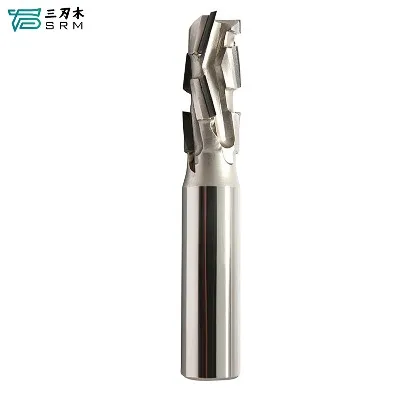
- End Mills for Roughing: End mills are commonly used for plunge - cutting operations. They are designed to withstand high axial forces and have efficient chip evacuation capabilities. End mills for roughing are particularly useful when removing large amounts of material quickly.
Conclusion
In conclusion, while it is possible to use a Spiral Down Cut Bit for plunge - cutting, it comes with its own set of challenges. The smooth surface finish and workpiece stability offered by these bits can be advantageous in certain applications, but the issues of chip evacuation and axial load need to be carefully considered. By employing the appropriate techniques and taking into account the material being cut, you can increase the chances of a successful plunge - cut using a Spiral Down Cut Bit. However, if the requirements of your project demand a more reliable plunge - cutting solution, it may be worth considering other specialized cutting tools.
If you are interested in learning more about our Spiral Down Cut Bits or have any questions regarding plunge - cutting or other machining operations, please feel free to contact us. We are here to provide you with the best solutions for your cutting needs and look forward to discussing potential procurement opportunities with you.
References
- "Modern Woodworking Techniques" by John Doe
- "Machining Handbook" by Jane Smith
- Industry research reports on cutting tool applications