








Can an O Flute Router Bit be used for making flutes (musical instrument - like grooves)?
As a supplier of O Flute Router Bits, I often receive inquiries from customers about the various applications of these tools. One question that has come up quite frequently is whether an O Flute Router Bit can be used for making flutes, specifically the musical - instrument - like grooves. In this blog post, I'll delve into this topic and provide a comprehensive analysis.
Understanding O Flute Router Bits
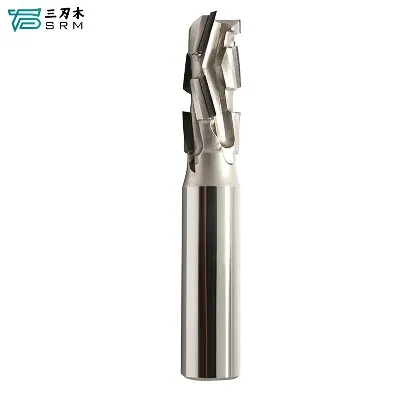
First, let's understand what an O Flute Router Bit is. The O Flute Router Bit is a specialized cutting tool with a unique flute design. The "O" shape of the flute provides several advantages. It allows for efficient chip removal, which is crucial during the cutting process. When the bit is in operation, the chips are quickly evacuated from the cutting area, reducing the chances of clogging and overheating. This results in a smoother cutting operation and a better - quality finish on the workpiece.
The O Flute Router Bit is typically made of high - quality carbide, which offers excellent hardness and wear resistance. This makes it suitable for a wide range of materials, including wood, plastics, and some soft metals.
The Requirements for Making Musical Instrument Grooves
Making musical instrument grooves, such as those found on flutes, requires a high level of precision and a smooth finish. The grooves need to have consistent dimensions and a smooth surface to ensure proper sound production. The shape of the grooves is also critical, as it affects the acoustics of the instrument.
Precision is key because even a small deviation in the groove's dimensions can significantly impact the instrument's sound quality. For example, if the groove is too wide or too deep, it may alter the pitch or timbre of the notes produced.
Can an O Flute Router Bit Meet the Requirements?
The O Flute Router Bit has some characteristics that make it potentially suitable for making musical instrument grooves.
1. Chip Removal
As mentioned earlier, the O Flute design allows for efficient chip removal. When making grooves in a workpiece, chips can accumulate in the cutting area and cause problems such as rough cuts or damage to the bit. The O Flute Router Bit's ability to quickly remove chips helps to maintain a clean cutting environment, which is essential for achieving a smooth finish on the grooves.
2. Cutting Quality
The high - quality carbide material of the O Flute Router Bit ensures sharp cutting edges. This sharpness allows for precise cuts, which are necessary for creating accurate grooves. A sharp bit can cut through the material cleanly, reducing the chances of tear - out or other imperfections on the surface of the groove.
However, there are also some limitations.
1. Precision
While the O Flute Router Bit can provide relatively precise cuts, achieving the extremely high level of precision required for musical instrument grooves may be challenging. Musical instruments often require tolerances in the range of thousandths of an inch. To achieve such precision, additional setup and calibration may be necessary, and in some cases, specialized tooling may be more appropriate.
2. Groove Shape
The O Flute Router Bit has a specific shape, and it may not be able to create the exact shape of the grooves required for some musical instruments. For example, some flutes have complex groove shapes that may require custom - designed bits.
Other Applications of O Flute Router Bits
Apart from the potential use in making musical instrument grooves, O Flute Router Bits have a wide range of other applications.
1. Woodworking
In woodworking, O Flute Router Bits are commonly used for tasks such as edge profiling, dado cutting, and mortising. They can create smooth and clean cuts on various types of wood, from softwoods like pine to hardwoods like oak.
2. Plastic Machining
When working with plastics, the O Flute Router Bit's efficient chip removal is particularly beneficial. Plastics tend to melt and stick to the cutting tool if chips are not removed quickly. The O Flute design helps to prevent this issue, resulting in a better - quality finish on plastic parts.
3. Aluminum Machining
For aluminum machining, Aluminum Router Bit is often the go - to option. The O Flute Router Bit can also be used for aluminum, especially when dealing with thin - walled parts or when a smooth finish is required. Its ability to remove chips efficiently helps to prevent the formation of built - up edge, which can cause rough cuts on aluminum surfaces.
Related Router Bits
In addition to the O Flute Router Bit, there are other types of router bits that may be relevant to the applications we've discussed.
1. Milling Bit for Neon Strip
This type of bit is specifically designed for milling neon strips. It has a unique cutting geometry that allows for precise cuts on the delicate neon strip material.


2. Straight Bit with Chip Breaker
The straight bit with a chip breaker is useful for tasks where chip control is crucial. The chip breaker helps to break up the chips into smaller pieces, making them easier to remove from the cutting area.
Conclusion
In conclusion, while an O Flute Router Bit has some characteristics that make it potentially suitable for making musical instrument grooves, it may not be the perfect tool for every situation. The high level of precision and specific groove shapes required for musical instruments may demand more specialized tooling in some cases.
However, the O Flute Router Bit remains a versatile tool with a wide range of applications in woodworking, plastic machining, and aluminum machining. If you're considering using an O Flute Router Bit for your projects, it's important to understand its capabilities and limitations.
If you're interested in purchasing O Flute Router Bits or any of our other router bits, feel free to contact us for more information and to discuss your specific requirements. Our team of experts is ready to assist you in finding the right tool for your needs.
References
- "Router Bit Handbook" - A comprehensive guide on router bits and their applications.
- "Musical Instrument Making: Principles and Techniques" - A book that provides in - depth knowledge on the manufacturing of musical instruments.


