







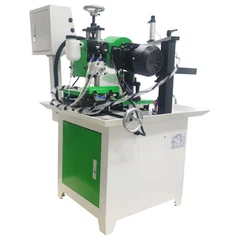

Hey there, woodworking enthusiasts! As a proud supplier of Planer Cutterheads, I often get asked a bunch of questions. One that pops up quite frequently is, "What is the maximum width of wood a planer cutterhead can handle?" Well, let's dive right into it and break this down.
First off, the maximum width a planer cutterhead can handle isn't a one - size - fits - all answer. It depends on a whole bunch of factors. The design of the cutterhead itself plays a huge role. Some cutterheads are built for smaller, more delicate jobs, while others are made to handle larger, wider pieces of wood.
The type of wood also matters. Different woods have different densities and hardness levels. For example, softwoods like pine are generally easier to work with than hardwoods like oak. A cutterhead that can handle a wider piece of softwood might struggle with the same width of hardwood. The moisture content of the wood is another important factor. Wood with high moisture content can be more difficult to plane, and it might limit the maximum width the cutterhead can handle.
Let's talk about the physical construction of the cutterhead. The number of knives and their arrangement on the cutterhead can impact the maximum width. A cutterhead with more knives can distribute the cutting load more evenly, which might allow it to handle wider pieces of wood. Also, the quality of the knives is crucial. High - quality knives can cut through wood more efficiently, reducing the strain on the cutterhead and potentially allowing it to handle wider widths.


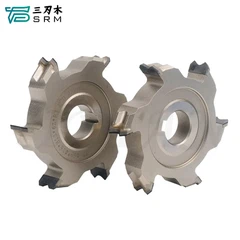
Now, let's get into some specific types of cutterheads. We offer a variety of cutterheads, each with its own capabilities. For instance, our Rabbeting Cutter Heads with 40mm Profile Knives. These cutterheads are designed for specific rabbeting tasks. They are great for creating precise rabbets in wood, but their maximum width handling is somewhat limited by their design. They are more focused on accuracy and detail work, so the width they can handle might not be as large as some other types of cutterheads.
Then there are our Degree Locking Miter Cutter Heads. These are fantastic for making miter cuts at different angles. They are engineered to provide a high level of precision. The maximum width they can handle depends on the specific model, but they are generally designed to work with a decent range of widths. However, if you're looking to plane extremely wide pieces of wood, you might need to consider a different type of cutterhead.
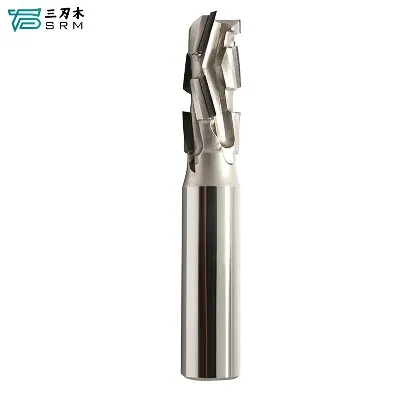
Our Heavy - duty Spiral Cutterheads are the real workhorses. They are built to handle large - scale woodworking projects. With their spiral knife arrangement, they can distribute the cutting force evenly across the width of the wood. This allows them to handle wider pieces of wood compared to other types of cutterheads. The spiral design also reduces the chances of tear - out, which is a common problem when planing wide boards.
So, how do you determine the maximum width for your specific needs? Well, it's a good idea to consider the type of projects you'll be working on. If you're a hobbyist who mainly works on small - scale projects, a cutterhead with a smaller maximum width might be sufficient. But if you're a professional woodworker who deals with large pieces of wood on a regular basis, you'll want to invest in a heavy - duty cutterhead that can handle wider widths.
Another thing to keep in mind is the power of your planer. A more powerful planer can drive a cutterhead to handle wider pieces of wood. If your planer doesn't have enough power, even a high - quality cutterhead might struggle to plane wide boards efficiently.
It's also important to follow the manufacturer's guidelines. Each cutterhead has its own recommended maximum width, and going beyond that can not only damage the cutterhead but also pose a safety risk. So, always check the specifications before you start planing.
In addition to the technical aspects, there are some practical considerations. When planing wide pieces of wood, you need to make sure the wood is properly supported. If the wood isn't supported evenly, it can warp or cause uneven cuts. This can affect the quality of your work and potentially damage the cutterhead.
To sum it all up, the maximum width of wood a planer cutterhead can handle is a complex question. It depends on the design of the cutterhead, the type of wood, the power of the planer, and other factors. But as a supplier, we're here to help you find the right cutterhead for your needs. Whether you're a beginner or a seasoned pro, we have a range of cutterheads that can meet your requirements.
If you're interested in learning more about our cutterheads or have questions about the maximum width they can handle, don't hesitate to reach out. We're always happy to have a chat and help you make the best choice for your woodworking projects. Let's get in touch and start planning your next great woodworking adventure!
References:
- General woodworking knowledge and experience in the industry.
- Manufacturer's specifications of planer cutterheads.


