






Can Spiral Up Cut Bits be used for making finger joints in plywood?
As a supplier of Spiral Up Cut Bits, I often encounter inquiries from woodworking enthusiasts and professionals about the versatility of our products. One common question is whether Spiral Up Cut Bits can be used for making finger joints in plywood. In this blog post, I will delve into this topic, exploring the characteristics of Spiral Up Cut Bits, the requirements for making finger joints, and whether these two elements are compatible.
Understanding Spiral Up Cut Bits
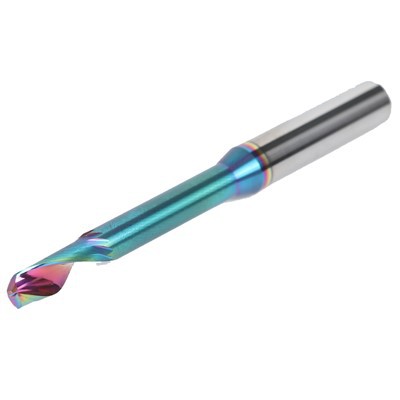
Spiral Up Cut Bits are a type of router bit known for their unique cutting action. Unlike traditional straight bits, the flutes of a Spiral Up Cut Bit are spiraled upward. This design allows the bit to pull the chips up and out of the cut, which offers several advantages. Firstly, it reduces the chances of chip - packing, which can lead to overheating and poor surface finish. Secondly, it provides a cleaner and smoother cut on the top surface of the workpiece.
These bits are typically made from high - quality materials such as solid carbide, which offers excellent durability and wear resistance. They come in various sizes and cutting diameters to suit different woodworking tasks. You can learn more about our Spiral Up Cut Bits on our website.
What are Finger Joints in Plywood?
Finger joints are a type of woodworking joint where interlocking fingers are cut into the ends of two pieces of wood or plywood. When these pieces are joined together, the fingers fit snugly, creating a strong and aesthetically pleasing joint. Finger joints are commonly used in woodworking for projects such as box making, frame construction, and furniture building.
The key to a successful finger joint lies in making precise cuts. The fingers on both pieces of plywood need to be of the exact same size and shape so that they fit together seamlessly. Any inaccuracies in the cutting process can result in a loose or weak joint.
Factors to Consider when Using Spiral Up Cut Bits for Finger Joints
- Cutting Force and Edge Quality
- One of the main concerns when using Spiral Up Cut Bits for finger joints is the cutting force and the resulting edge quality. The upward spiral of the bit pulls the chips up, which generally gives a clean top edge. However, the bottom edge may be prone to tear - out, especially in plywood. Plywood is made up of multiple layers of thin wood veneers, and the upward cutting action can sometimes cause these layers to delaminate at the bottom of the cut.
- To mitigate this issue, it is important to use the right feed rate. A slow and steady feed rate can help reduce the chances of tear - out. Additionally, using a backer board can provide support to the plywood during the cutting process, minimizing the risk of delamination.
- Accuracy and Precision
- Making finger joints requires a high level of accuracy and precision. Spiral Up Cut Bits can be very accurate if used correctly. However, the bit must be properly installed and aligned in the router. Any misalignment can lead to uneven cuts, which will affect the fit of the finger joints.
- It is also crucial to choose the right bit size. The width of the bit should match the width of the fingers you want to cut. Using a bit that is too wide or too narrow can result in a finger joint that does not fit properly.
- Chip Evacuation and Heat Generation
- As mentioned earlier, one of the advantages of Spiral Up Cut Bits is their excellent chip evacuation. This is beneficial when making finger joints because it helps keep the cutting area clean. When the chips are efficiently removed, it reduces the chances of the bit getting clogged and overheating.
- Overheating can cause the bit to dull quickly and can also affect the quality of the cut. However, if the feed rate is too slow, the bit may still overheat. Therefore, finding the right balance between feed rate and chip evacuation is essential.
The Compatibility of Spiral Up Cut Bits with Finger Joints
In general, Spiral Up Cut Bits can be used for making finger joints in plywood, but with some considerations. They can provide a clean top edge, which is an advantage when aesthetics are important. However, the potential for tear - out at the bottom edge needs to be managed.
If you are making finger joints where the top surface will be visible and the bottom surface can be hidden or sanded further, Spiral Up Cut Bits can be a good choice. For example, in a box - making project where the top of the joints will be on display, these bits can give a professional - looking finish.
On the other hand, if both edges of the finger joint need to be of high quality, you may need to combine the use of Spiral Up Cut Bits with other techniques. One approach could be to first make a rough cut with a Spiral Up Cut Bit and then perform a finishing pass with a different type of bit, such as a Ball Nose Router Bit, which can provide a smoother finish on both edges.
Other Considerations and Tips
- Router Setup
- Make sure your router is in good working condition. Check the collet for proper tightening and the router speed settings. For making finger joints in plywood, a moderate router speed is usually sufficient.
- You can also adjust the router fence to ensure accurate and consistent cuts. A well - adjusted fence will help you create fingers of the same width and spacing.
- Test Cuts
- Before making cuts on your final plywood pieces, it is advisable to make test cuts on scrap pieces of the same type of plywood. This will allow you to fine - tune the settings, such as feed rate and bit depth, and ensure that you are getting the desired results.
- Material Selection
- Not all plywoods are created equal. Choose a high - quality plywood with well - bonded layers to reduce the risk of delamination. Plywood with a smooth face veneer will also give a better finish when using Spiral Up Cut Bits.
Conclusion
In conclusion, Spiral Up Cut Bits can be used for making finger joints in plywood, but it is important to be aware of their limitations and how to work around them. Their ability to provide a clean top edge and efficient chip evacuation can be beneficial in many woodworking projects. However, the potential for bottom edge tear - out needs to be carefully managed.
If you're in the woodworking industry and are looking for high - quality Spiral Up Cut Bits, we are here to assist you. Our products are designed to meet the standards of both amateur and professional woodworkers. If you have any questions or are interested in purchasing our Spiral Up Cut Bits, feel free to contact us for a detailed consultation on your project requirements. Additionally, if you're working with aluminum, you might also be interested in our Aluminum Router Bit. We look forward to helping you achieve the best results in your woodworking projects.


References
- Woodworking Magazine, various issues on router bit applications.
- Professional Woodworker's Handbook, covering joint - making techniques.