



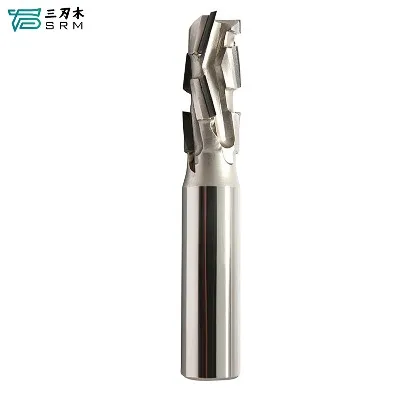




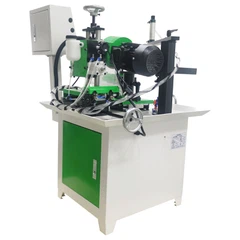

The cutting process is a complex mechanical operation that involves multiple factors, among which the rake angle of a cutting tool plays a crucial role. As a leading supplier of Aluminum Router Bits, I've witnessed firsthand the impact of the rake angle on the cutting force and overall performance of these tools. In this blog, we'll delve into the relationship between the rake angle and the cutting force of an aluminum router bit, exploring how this seemingly small parameter can make a big difference.
Understanding the Rake Angle
Before we dive into the effects, let's first understand what the rake angle is. The rake angle is the angle between the rake face of the cutting tool and a reference plane. In the context of an aluminum router bit, it can be classified into three main types: positive rake angle, negative rake angle, and zero rake angle.
A positive rake angle means that the rake face of the bit slopes away from the cutting edge in the direction of chip flow. This type of rake angle is commonly used because it reduces the cutting force and power consumption. The chips are more easily sheared off from the workpiece, resulting in a smoother cutting process.
On the other hand, a negative rake angle has the rake face sloping towards the cutting edge. This design increases the strength of the cutting edge, making it more suitable for cutting hard materials. However, it also leads to higher cutting forces.
A zero rake angle implies that the rake face is perpendicular to the cutting edge. It offers a balance between the characteristics of positive and negative rake angles, but it's less commonly used in aluminum router bits.


Impact of Rake Angle on Cutting Force
Positive Rake Angle and Cutting Force
When using an aluminum router bit with a positive rake angle, the cutting force is significantly reduced. The positive rake angle allows the bit to slice into the aluminum more easily, as the chips are directed away from the cutting edge. This reduces the friction between the tool and the workpiece, which in turn decreases the cutting force.
For instance, in a high - speed machining operation of aluminum, a router bit with a positive rake angle can cut through the material with less resistance. This not only saves energy but also reduces the wear and tear on the bit. The lower cutting force also means that the machine doesn't have to work as hard, which can extend the lifespan of the machining equipment.
However, a positive rake angle also has its limitations. The cutting edge is relatively weaker compared to a negative rake angle. In some cases, if the cutting conditions are too aggressive, the cutting edge may chip or break.
Negative Rake Angle and Cutting Force
A negative rake angle increases the cutting force. The reason behind this is that the chip has to be forced out against the rake face, which creates more friction and resistance. When cutting aluminum, a negative rake angle bit is often used when dealing with thick - walled or highly alloyed aluminum parts.
The increased cutting force can be a drawback in terms of energy consumption and tool wear. But the advantage is that the negative rake angle strengthens the cutting edge. This makes the bit more resistant to chipping and wear, especially when cutting hard or abrasive aluminum materials. For example, when machining aluminum alloys with high silicon content, a negative rake angle router bit can maintain its cutting performance for a longer time.
Zero Rake Angle and Cutting Force
The zero rake angle provides a compromise between the positive and negative rake angles. The cutting force is moderate compared to the other two. It doesn't offer the extreme benefits of reducing cutting force like a positive rake angle or strengthening the cutting edge like a negative rake angle. However, in some specific applications where a balance is needed, such as in some precision machining operations of aluminum, a zero rake angle router bit can be a good choice.
Practical Applications in Aluminum Machining
In the aluminum machining industry, different rake angles are used according to the specific requirements of the job. For general - purpose aluminum cutting, such as making simple profiles or cutting thin sheets, a positive rake angle router bit is often preferred. It provides a smooth and efficient cutting process with lower cutting forces.
If you are interested in our Lock Hole Router Bit, which is designed for precision work in aluminum, it usually comes with a positive rake angle to ensure clean and easy cuts.
For more demanding applications, such as machining thick - walled aluminum pipes or parts with high - strength aluminum alloys, a negative rake angle bit may be more suitable. Our Spiral Down Cut Bit with a negative rake angle can handle these tough jobs effectively, despite the higher cutting forces.
The Double - ended Spiral Saw Bit can be designed with different rake angles depending on the application. A positive rake angle version is great for quick and efficient roughing cuts, while a negative rake angle version can be used for finishing operations on hard aluminum surfaces.
Factors Affecting the Choice of Rake Angle
Apart from the cutting force, there are other factors that influence the choice of the rake angle for an aluminum router bit.
The material properties of the aluminum are crucial. Softer aluminum alloys can be cut more easily with a positive rake angle, while harder alloys may require a negative rake angle. The cutting speed also matters. At high cutting speeds, a positive rake angle can help reduce the heat generated during cutting, which is beneficial for both the tool and the workpiece.
The geometry of the workpiece also plays a role. For complex shapes or small - diameter holes, a bit with a specific rake angle may be more appropriate to ensure accurate cuts.
Conclusion
In conclusion, the rake angle of an aluminum router bit has a profound effect on the cutting force. A positive rake angle reduces the cutting force, offering a smooth and energy - efficient cutting process but with a relatively weaker cutting edge. A negative rake angle increases the cutting force but strengthens the cutting edge, making it suitable for hard and abrasive aluminum materials. A zero rake angle provides a balance between the two.
As an Aluminum Router Bit supplier, we understand the importance of choosing the right rake angle for different applications. Our wide range of products, including the Lock Hole Router Bit, Spiral Down Cut Bit, and Double - ended Spiral Saw Bit, are designed to meet the diverse needs of the aluminum machining industry.
If you're looking for high - quality aluminum router bits and need professional advice on the right rake angle for your specific project, we're here to help. Contact us for a detailed discussion on your requirements, and let's work together to find the perfect solution for your aluminum machining needs.
References
- Boothroyd, G., & Knight, W. A. (2006). Fundamentals of machining and machine tools. CRC Press.
- Trent, E. M., & Wright, P. K. (2000). Metal cutting. Butterworth - Heinemann.
- Kalpakjian, S., & Schmid, S. R. (2013). Manufacturing engineering and technology. Pearson.


