



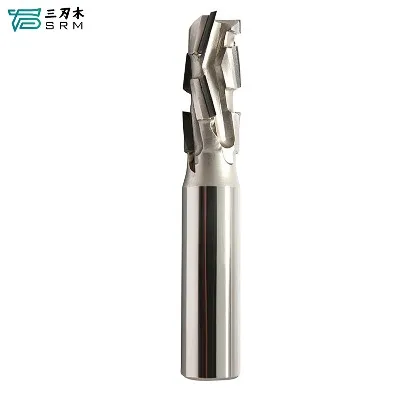





When it comes to woodworking, using the right tools can significantly impact the quality and efficiency of your projects. One such essential tool is the Dovetail CNC Bit, which is widely used for creating precise dovetail joints, a classic woodworking technique known for its strength and aesthetic appeal. As a leading Dovetail CNC Bit [should be specific role like "supplier"], I often receive questions from customers about how to select the right shank size for their Dovetail CNC Bit. In this blog post, I'll share some insights and guidelines to help you make an informed decision.
Understanding the Shank of a Dovetail CNC Bit
Before delving into the selection process, it's important to understand what the shank of a Dovetail CNC Bit is. The shank is the part of the bit that fits into the collet of the CNC router. It plays a crucial role in ensuring a secure and stable connection between the bit and the router. A proper fit is essential to prevent vibration, which can lead to inaccurate cuts and a shorter lifespan for the bit.
Factors to Consider When Selecting the Shank Size
CNC Router Compatibility
The first and most important factor to consider is the compatibility with your CNC router. Different routers are designed to accommodate specific shank sizes. Common shank sizes for Dovetail CNC Bits include 1/4 inch, 1/2 inch, and sometimes 6mm. You need to check the specifications of your router to determine the appropriate shank size it can accept. Using a bit with an incompatible shank size can not only damage the router but also pose a safety risk.
Project Requirements
The nature of your woodworking project also influences the shank size selection. For smaller, more delicate projects that require high precision, a smaller shank size like 1/4 inch might be more suitable. Smaller shanks offer greater maneuverability and can access tight spaces more easily. On the other hand, for larger projects that involve cutting through thick and dense materials, a 1/2 inch shank might provide the necessary stability and power to make clean and efficient cuts.
Cutting Speed and Feed Rate
The shank size can also affect the cutting speed and feed rate of the Dovetail CNC Bit. A larger shank size generally allows for higher cutting speeds and feed rates because it provides more stability and can handle greater forces. This can be beneficial for projects where you need to complete the cutting process quickly. However, you need to balance the cutting speed and feed rate with the material you are working with to avoid overheating the bit or causing chipping.
Benefits of Different Shank Sizes
1/4 Inch Shank
A 1/4 inch shank is a popular choice for hobbyists and those working on small-scale woodworking projects. It offers several advantages:
- Precision: The smaller diameter allows for more precise cuts, making it ideal for creating intricate details in dovetail joints.
- Versatility: It can be used with a wide range of CNC routers, including those with a more compact design.
- Affordability: Dovetail CNC Bits with a 1/4 inch shank are generally more affordable than those with larger shanks.
1/2 Inch Shank
A 1/2 inch shank is commonly used in professional woodworking shops and for heavy-duty applications. Here are some of its benefits:
- Stability: The larger diameter provides greater stability, reducing the risk of vibration during cutting. This results in smoother and more accurate cuts, especially when working with thick or hard materials.
- Power Handling: It can handle higher cutting speeds and feed rates, allowing for faster project completion.
- Longevity: The increased stability and power handling capabilities contribute to a longer lifespan for the bit, making it a cost-effective choice in the long run.
Making the Final Decision
Once you have considered the factors mentioned above, you should have a better idea of which shank size is right for your Dovetail CNC Bit. However, it's also a good idea to consult with other woodworkers or professionals in the industry. You can join online woodworking communities or forums to get advice from experienced users. Additionally, you can reach out to us as a Dovetail CNC Bit supplier. We have a team of experts who can provide personalized recommendations based on your specific needs and requirements.
At our company, we offer a wide range of Dovetail CNC Bits with different shank sizes to meet the diverse needs of our customers. Our Dovetail CNC Bit are made from high-quality materials and are designed to deliver exceptional performance and durability. In addition to Dovetail CNC Bits, we also provide other types of router bits, such as CNC V Bits and TCT Tapered Ball Nose Bit, to help you complete all your woodworking projects with ease.
Conclusion
Selecting the right shank size for a Dovetail CNC Bit is a crucial step in achieving the best results in your woodworking projects. By considering factors such as CNC router compatibility, project requirements, and cutting speed, you can make an informed decision that will enhance the quality and efficiency of your work. If you have any further questions or need assistance in selecting the right Dovetail CNC Bit for your needs, please feel free to contact us. We are here to help you every step of the way. Whether you are a hobbyist or a professional woodworker, we are confident that our high-quality router bits will meet your expectations. So, don't hesitate to reach out and start creating beautiful dovetail joints today!


References
- "Woodworking Basics: Understanding Router Bits" by Wood Magazine
- "CNC Router Handbook" by Industry Experts


