






As an aluminum router bit supplier, I've seen firsthand how coatings can make or break the performance of these tools. In this blog, I'll share my knowledge and experience on how coatings affect the performance of aluminum router bits. So, let's dive right in!
Basics of Aluminum Router Bits
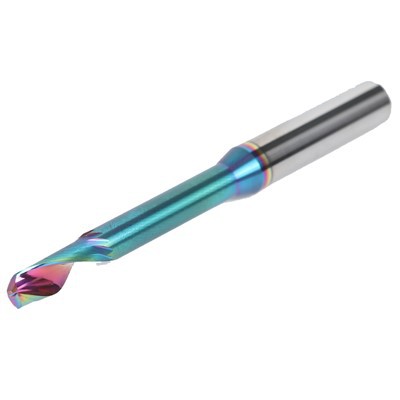
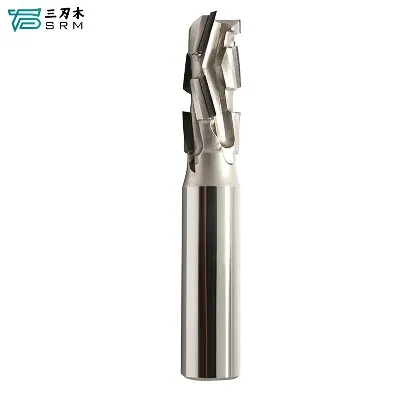
Before we talk about coatings, let's quickly go over what aluminum router bits are. These are specialized cutting tools used for shaping, trimming, and carving aluminum materials. They come in different shapes and sizes, like the Roughing End Mill Cutter, Spiral Up Cut Bits, and Spiral Milling Cutter, each designed for specific tasks.
Why Coatings Matter
Coatings aren't just for looks. They play a crucial role in enhancing the performance of aluminum router bits. Here are some key reasons why coatings are important:
1. Reduced Friction
When a router bit cuts through aluminum, there's a lot of friction between the bit and the material. High friction can lead to heat buildup, which can damage the bit and affect the quality of the cut. A good coating reduces friction, allowing the bit to glide through the aluminum more smoothly. This not only extends the life of the bit but also results in cleaner cuts.
2. Wear Resistance
Aluminum is a relatively soft material, but it can still cause wear on the router bit over time. Coatings act as a protective layer, reducing the amount of wear and tear on the bit. This means the bit can maintain its sharpness for longer, which is essential for consistent and high - quality cuts.
3. Chip Evacuation
Proper chip evacuation is crucial when cutting aluminum. If chips get stuck on the bit or in the cut, it can lead to poor surface finish and even cause the bit to break. Some coatings are designed to improve chip evacuation by reducing the adhesion of chips to the bit surface. This helps keep the cutting area clean and allows the bit to work more efficiently.
Types of Coatings and Their Effects
Titanium Nitride (TiN) Coating
TiN is one of the most common coatings used on router bits. It has a gold - colored appearance and offers several benefits. It's known for its high hardness, which provides excellent wear resistance. This means that a TiN - coated aluminum router bit can withstand more cutting cycles before it starts to dull.
However, TiN has its limitations. It has a relatively low oxidation resistance, which means it can start to break down at higher temperatures. So, if you're doing high - speed cutting or working with thick aluminum, a TiN coating might not be the best choice.
Titanium Aluminum Nitride (TiAlN) Coating
TiAlN is an upgraded version of TiN. It has a higher aluminum content, which gives it better oxidation resistance than TiN. This means it can handle higher cutting speeds and temperatures without breaking down.
A TiAlN - coated bit is great for high - performance cutting applications. It can maintain its sharpness for longer periods, even when working on tough aluminum alloys. The coating also reduces friction, which helps with chip evacuation and overall cutting efficiency.


Diamond - Like Carbon (DLC) Coating
DLC coatings are becoming more popular for aluminum router bits. They offer extremely low friction, which is ideal for reducing heat buildup and improving chip evacuation. This coating is very smooth, which means chips are less likely to stick to the bit.
DLC coatings are also highly wear - resistant. They can provide a long service life for the router bit, especially when used in applications where a smooth finish is required. However, DLC coatings can be more expensive than other types of coatings, so they might not be the best choice for every budget.
How Coatings Affect Different Types of Router Bits
Roughing End Mill Cutter
The Roughing End Mill Cutter is used for removing large amounts of material quickly. A coating on this type of bit can significantly improve its performance. The wear - resistant properties of the coating allow the bit to maintain its cutting edges even when making heavy cuts.
The reduced friction also means that the bit doesn't heat up as much, which is important when dealing with the high forces involved in roughing. For example, a TiAlN - coated roughing end mill cutter can handle high - speed roughing operations better than an uncoated one.
Spiral Up Cut Bits
Spiral Up Cut Bits are designed to lift chips out of the cut. A coating can enhance this chip - lifting action by reducing chip adhesion. With a DLC - coated spiral up cut bit, the chips are more likely to be evacuated smoothly, resulting in a cleaner cut and less chance of the bit getting clogged.
The reduced friction also allows the bit to rotate more freely, which can improve the overall cutting speed and efficiency. This is especially important when working on large - scale aluminum projects where time is of the essence.
Spiral Milling Cutter
The Spiral Milling Cutter is used for precision milling operations. A coating on this bit can improve the surface finish of the aluminum workpiece. The wear - resistant coating ensures that the bit maintains its sharp edges, which is crucial for achieving a smooth and accurate finish.
The low - friction properties of the coating also help in reducing the forces acting on the bit during milling. This can lead to less vibration and chatter, which are common problems in precision milling. As a result, a coated spiral milling cutter can produce higher - quality parts with less effort.
Considerations When Choosing a Coated Aluminum Router Bit
When it comes to choosing the right coated aluminum router bit for your project, there are a few things to keep in mind:
Cutting Speed and Feed Rate
Different coatings can handle different cutting speeds and feed rates. For example, a TiAlN - coated bit can generally handle higher speeds than a TiN - coated bit. Make sure you choose a coating that is compatible with the cutting parameters you plan to use.
Type of Aluminum
The type of aluminum you're working with also matters. Some alloys are harder and more abrasive than others. If you're working with a tough aluminum alloy, you'll need a bit with a more wear - resistant coating, like TiAlN or DLC.
Cost
Coated router bits can be more expensive than uncoated ones, especially if they have a high - performance coating like DLC. You need to balance the cost with the benefits. If you're working on a high - volume or high - precision project, the extra cost of a coated bit might be worth it in the long run.
Conclusion
In conclusion, coatings have a significant impact on the performance of aluminum router bits. They can reduce friction, increase wear resistance, and improve chip evacuation, all of which contribute to better cutting quality and longer tool life. Whether you're using a Roughing End Mill Cutter, Spiral Up Cut Bits, or Spiral Milling Cutter, choosing the right coating can make a big difference in your machining operations.
If you're in the market for high - quality aluminum router bits, we've got you covered. We offer a wide range of coated and uncoated router bits to suit your specific needs. Contact us to discuss your requirements and let's start a great partnership for your aluminum machining projects.
References
- "Cutting Tool Coatings: A Review" by A. B. Suresh, et al.
- "Machining of Aluminum Alloys" by John Campbell.
- "Tool Coatings for Metal Cutting" by Y. O. Kolpakov, et al.