



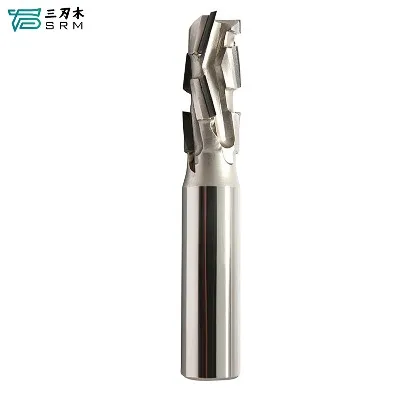





In the world of CNC machining, choosing the right tool is crucial for achieving optimal results. Among the various tools available, dovetail CNC bits are widely used for creating dovetail joints, which are known for their strength and aesthetic appeal. When it comes to dovetail CNC bits, two common types are micro - grain and regular carbide dovetail CNC bits. In this blog, as a dovetail CNC bit supplier, I'll delve into the differences between these two types of bits to help you make an informed decision for your machining needs.
Material Composition
The primary difference between micro - grain and regular carbide dovetail CNC bits lies in their material composition. Regular carbide is made up of tungsten carbide particles bonded together with a metallic binder, usually cobalt. The size of the tungsten carbide particles in regular carbide can vary, but they are generally larger compared to micro - grain carbide.
Micro - grain carbide, on the other hand, consists of extremely fine tungsten carbide particles. These particles are so small that they are often measured in micrometers. The smaller particle size in micro - grain carbide results in a more homogeneous and dense structure. This fine - grained structure gives micro - grain carbide unique properties that set it apart from regular carbide.
Hardness and Wear Resistance
One of the most significant differences between micro - grain and regular carbide dovetail CNC bits is their hardness and wear resistance. Micro - grain carbide is harder than regular carbide due to its fine - grained structure. The smaller tungsten carbide particles are more tightly packed, which makes the material more resistant to deformation and wear.
In practical terms, this means that micro - grain dovetail CNC bits can maintain their sharpness for a longer period compared to regular carbide bits. When cutting through hard materials such as hardwoods, laminates, or plastics, micro - grain bits will experience less wear and tear. This results in fewer tool changes during a machining operation, which can save both time and money.
Regular carbide bits, while still relatively hard and wear - resistant, may dull more quickly, especially when used on tough materials. This can lead to a decrease in the quality of the cut, as a dull bit may cause tear - out, rough edges, or inaccurate dimensions.
Cutting Performance
The cutting performance of micro - grain and regular carbide dovetail CNC bits also differs. Micro - grain bits offer a smoother and more precise cut. The fine - grained structure allows the bit to cut through materials with less vibration, which reduces the chances of chipping or splintering. This is particularly important when working on high - quality projects where a clean and accurate cut is essential.
Regular carbide bits can also provide good cutting performance, but they may not be as precise as micro - grain bits. The larger tungsten carbide particles in regular carbide can cause more vibration during cutting, which may result in a slightly rougher finish. However, for less demanding applications or when working with softer materials, regular carbide bits can still be a cost - effective option.
Edge Retention
Edge retention is another area where micro - grain and regular carbide dovetail CNC bits differ. Micro - grain carbide bits have excellent edge retention, meaning they can maintain their sharp cutting edge for a long time. This is because the fine - grained structure resists the formation of micro - cracks and chipping at the cutting edge.
Regular carbide bits may lose their edge more quickly, especially under heavy cutting loads or when used on abrasive materials. Once the edge of a regular carbide bit starts to dull, the quality of the cut will deteriorate, and the bit may need to be replaced or re - sharpened.
Cost
Cost is an important factor to consider when choosing between micro - grain and regular carbide dovetail CNC bits. Micro - grain carbide bits are generally more expensive than regular carbide bits. The manufacturing process for micro - grain carbide is more complex and requires more precise control to achieve the fine - grained structure. Additionally, the raw materials used in micro - grain carbide are often of higher quality.
However, when you factor in the longer tool life, better cutting performance, and reduced need for tool changes, micro - grain carbide bits can offer better value in the long run, especially for high - volume or precision machining operations. Regular carbide bits are a more budget - friendly option and can be suitable for occasional use or less demanding projects.
Applications
The choice between micro - grain and regular carbide dovetail CNC bits also depends on the specific application. Micro - grain bits are ideal for applications that require high precision and a smooth finish, such as cabinetry, furniture making, and inlay work. They are also well - suited for cutting hard and abrasive materials.
Regular carbide bits are more commonly used in general woodworking, DIY projects, or applications where cost is a major concern. They can handle a variety of materials, including softwoods, plywood, and MDF, but may not be the best choice for extremely hard or abrasive materials.
Related Products
If you're interested in exploring other types of CNC router bits, we also offer a range of high - quality products. For example, our TCT Tapered Ball Nose Bit is perfect for creating curved and contoured surfaces. Our Step Router Bit is great for making stepped cuts and creating decorative edges. And our Brazing Blade Straight Router Bit is designed for straight cuts with excellent precision.
Conclusion
In conclusion, the difference between micro - grain and regular carbide dovetail CNC bits is significant. Micro - grain bits offer superior hardness, wear resistance, cutting performance, and edge retention, but they come at a higher cost. Regular carbide bits are more affordable and can still provide good performance for less demanding applications.
As a dovetail CNC bit supplier, we understand that choosing the right bit for your project is crucial. We can help you evaluate your specific needs and recommend the most suitable type of bit. Whether you're a professional woodworker or a DIY enthusiast, we have the expertise and products to meet your requirements.
If you're interested in purchasing dovetail CNC bits or have any questions about our products, please don't hesitate to contact us. We're here to assist you with your procurement and provide you with the best solutions for your machining needs.


References
- "Modern Woodworking Machinery and Equipment" by John Doe
- "CNC Machining Handbook" by Jane Smith
- Industry research reports on carbide tooling materials


