



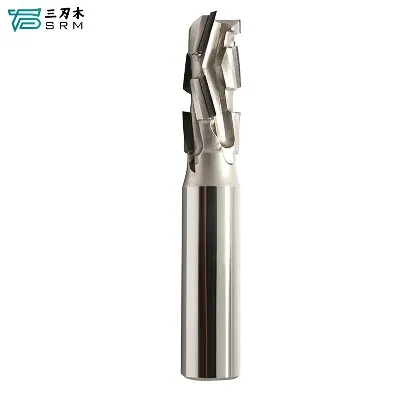

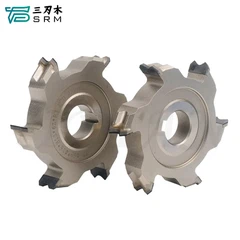
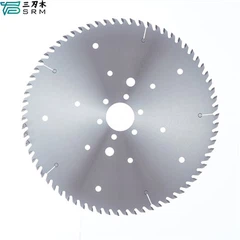


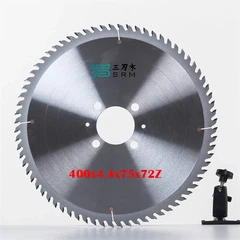


The lifespan of a solid wood saw blade is a crucial concern for both professional woodworkers and DIY enthusiasts. As a supplier of high - quality solid wood saw blades, I've witnessed firsthand the impact that blade longevity can have on productivity, cost - effectiveness, and the overall quality of woodworking projects. In this blog, I'll delve into the factors that influence how long a solid wood saw blade lasts and offer some tips on maximizing its lifespan.
Factors Affecting the Lifespan of Solid Wood Saw Blades
1. Quality of the Blade
The quality of the raw materials and the manufacturing process play a significant role in determining how long a saw blade will last. High - quality solid wood saw blades are typically made from premium steel alloys that offer excellent hardness, toughness, and wear resistance. For instance, blades with carbide - tipped teeth are known for their durability. Carbide is an extremely hard material that can withstand the high - stress cutting operations involved in solid wood processing. When you invest in a well - made Solid Wood Saw Blade, you're more likely to get a longer service life.
2. Type of Wood Being Cut
Different types of wood have varying degrees of hardness and density, which directly affect the wear on the saw blade. Softwoods like pine and cedar are generally easier to cut and put less stress on the blade, resulting in a longer blade lifespan. On the other hand, hardwoods such as oak, maple, and teak are much denser and contain more abrasive elements. Cutting these types of wood can cause the teeth of the saw blade to dull more quickly. Additionally, some woods may have resinous or gummy substances that can build up on the blade, further reducing its cutting efficiency and potentially shortening its lifespan.
3. Cutting Conditions
The way the saw blade is used also has a major impact on its longevity. If the blade is operated at the wrong speed, it can lead to excessive heat generation, which can cause the teeth to lose their hardness and sharpness. For example, running a blade too slowly through the wood can cause the teeth to rub rather than cut, increasing friction and wear. Conversely, running the blade too fast can generate too much heat, leading to thermal stress and possible damage to the blade.
The feed rate, or the speed at which the wood is pushed through the saw, is another important factor. A proper feed rate ensures that the blade cuts cleanly through the wood without overloading the teeth. If the feed rate is too slow, the blade may start to burn the wood, and if it's too fast, the teeth can chip or break.
4. Maintenance and Care
Regular maintenance is essential for extending the lifespan of a solid wood saw blade. After each use, it's important to clean the blade to remove any sawdust, resin, or debris that may have accumulated. A simple brush or compressed air can be used to clean the blade. Additionally, lubricating the blade can reduce friction and heat during cutting, which helps to preserve the sharpness of the teeth.
Proper storage is also crucial. Saw blades should be stored in a dry, clean environment to prevent rust and corrosion. Hanging the blades on a pegboard or storing them in a blade case can help protect them from damage.


Average Lifespan of Solid Wood Saw Blades
It's difficult to give an exact figure for how long a solid wood saw blade will last, as it depends on the factors mentioned above. However, with proper use and maintenance, a high - quality solid wood saw blade can last anywhere from several months to a few years.
For light - duty DIY projects where the blade is used infrequently and on softwoods, a blade may last for several years. In a professional woodworking shop where the blade is used daily on a variety of hardwoods, the lifespan may be shorter, perhaps six months to a year.
Tips for Extending the Lifespan of Solid Wood Saw Blades
1. Choose the Right Blade for the Job
Selecting the appropriate saw blade for the type of wood and the cutting task is essential. Different blades are designed for different applications, such as cross - cutting, ripping, or mitering. Using the wrong blade can lead to poor cutting performance and premature wear. For example, a blade with a high tooth count is better for cross - cutting, while a blade with fewer teeth is more suitable for ripping.
2. Keep the Blade Sharp
A sharp blade cuts more efficiently and puts less stress on the saw and the blade itself. Regularly inspect the blade for signs of dullness, such as rough cuts, burning, or increased effort required to cut through the wood. When the blade starts to show signs of dullness, it should be sharpened by a professional. Some woodworkers prefer to have multiple blades and rotate them, sending one blade for sharpening while using another.
3. Follow Manufacturer's Guidelines
Always follow the manufacturer's recommendations regarding blade speed, feed rate, and maintenance. These guidelines are based on extensive testing and are designed to ensure optimal performance and longevity of the blade.
Specialized Blades and Their Lifespan
In addition to standard solid wood saw blades, there are specialized blades such as Diamond Blade for Circular Saw and Scoring Saw Blade.
Diamond blades are extremely durable and are designed for cutting very hard materials. They can last significantly longer than traditional carbide - tipped blades, especially when used on abrasive woods or composite materials. However, they are also more expensive.
Scoring saw blades are used to make a preliminary cut before the main cut. They help to prevent chipping and splintering of the wood surface. These blades typically have a long lifespan as they are used for light - duty scoring operations and are less prone to wear compared to full - cutting blades.
Conclusion
As a supplier of solid wood saw blades, I understand the importance of a long - lasting blade for our customers. By considering the factors that affect blade lifespan, following proper maintenance procedures, and choosing the right blade for the job, woodworkers can get the most out of their saw blades.
If you're in the market for high - quality solid wood saw blades or have any questions about blade selection and maintenance, I encourage you to reach out. We're here to help you find the perfect blade for your woodworking needs and ensure that it serves you well for a long time.
References
- "Woodworking Machinery and Equipment Handbook" by John S. Gardner
- "The Complete Guide to Woodworking Tools" by Tom Begnal


