



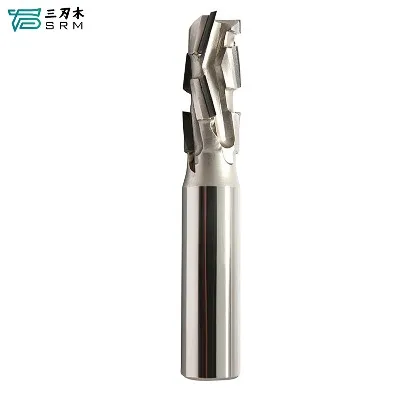

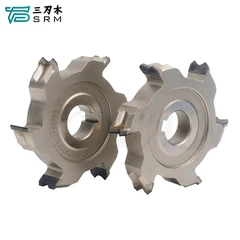
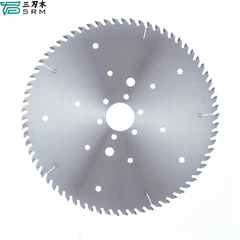


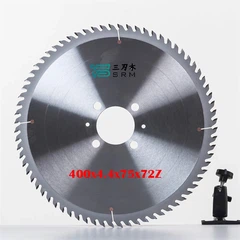



Hey there! As an aluminum router bit supplier, I often get asked the question, "What size of aluminum router bit should I use?" It's a great question, and the answer depends on several factors. In this blog post, I'll break down the key considerations to help you choose the right size for your project.
Project Requirements
The first thing you need to think about is what you're using the router bit for. Are you doing a simple trimming job, or are you creating a complex shape? For basic trimming, a smaller bit might be sufficient. But if you're working on a large - scale project with intricate details, you'll need to be more strategic.
Let's say you're working on a small aluminum plaque. You might want a smaller bit, like 1/8 inch or 1/4 inch. These smaller bits offer more precision, allowing you to create fine details. On the other hand, if you're cutting large sheets of aluminum for a construction project, a larger bit, such as 3/8 inch or 1/2 inch, can help you get the job done faster.
Material Thickness
The thickness of the aluminum you're working with is another crucial factor. If you're dealing with thin aluminum sheets (less than 1/8 inch), a smaller bit is usually the way to go. A small bit can cut through the thin material without causing too much stress or vibration.
For thicker aluminum, say 1/4 inch or more, you'll need a larger bit. A bigger bit has the power to cut through the material more efficiently. It can handle the extra load and reduce the risk of the bit breaking or getting dull quickly.
Cutting Speed and Feed Rate
The size of the router bit also affects the cutting speed and feed rate. Generally, smaller bits can be run at higher speeds because they have less mass. They can cut through the aluminum more quickly, but you need to be careful not to over - feed them.
Larger bits, on the other hand, require a slower cutting speed and a higher feed rate. This is because they have more material to remove. If you try to run a large bit too fast, it can cause excessive heat, which can damage the bit and the aluminum.
Bit Types and Their Sizes
There are different types of aluminum router bits, and each type has its own recommended size range.
Spiral Down Cut Bit
A Spiral Down Cut Bit is great for finishing cuts. It forces the chips down into the material, which helps prevent chipping on the top surface. These bits are available in various sizes. For most general finishing work on aluminum, a 1/4 - inch or 3/8 - inch spiral down cut bit is a good choice. It provides a smooth finish and can handle different thicknesses of aluminum.
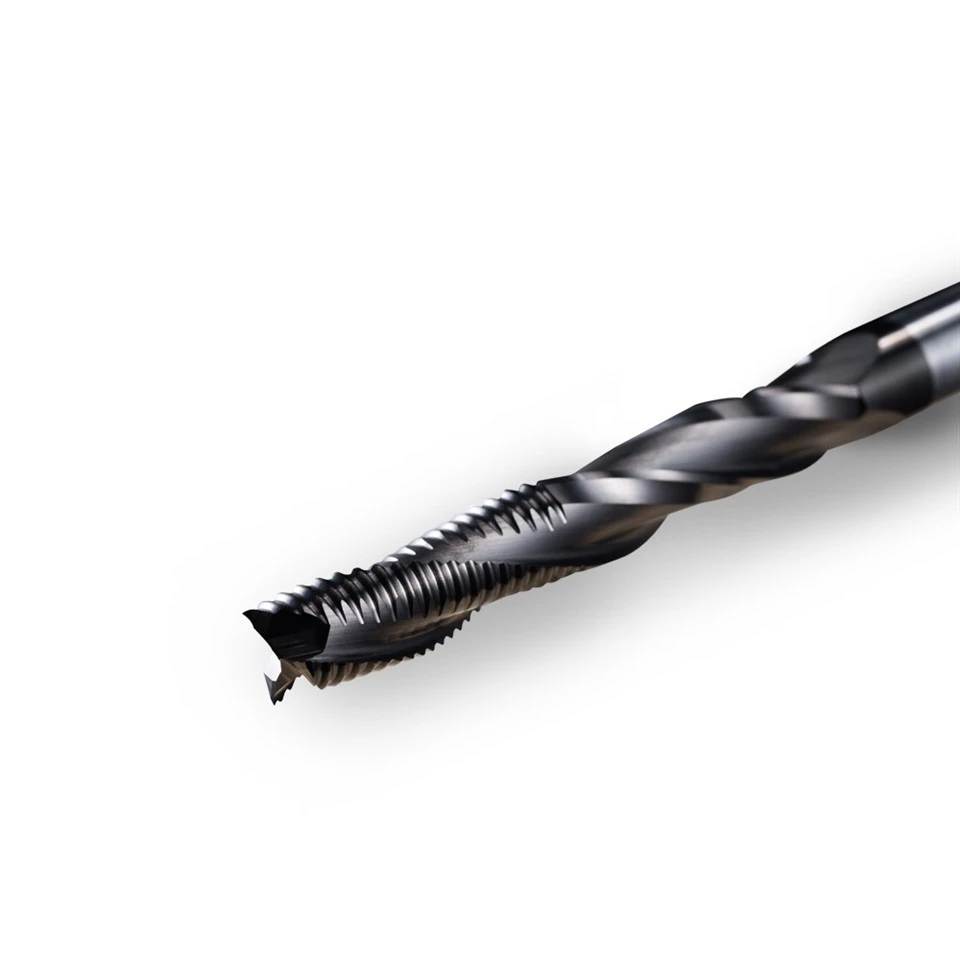
End Mills for Roughing
When you need to remove a large amount of material quickly, End Mills for Roughing are the way to go. These bits are designed to take on heavy - duty cutting. For roughing operations on aluminum, a 1/2 - inch or 3/4 - inch end mill is often used. They can handle the high - volume material removal and are built to withstand the stress of rough cutting.
Straight Router Bit
Straight Router Bit is a versatile option. It can be used for a variety of tasks, from edge trimming to slot cutting. For general use on aluminum, a 1/4 - inch or 1/2 - inch straight router bit is commonly used. It's a good all - around bit that can handle different types of cuts.

Testing and Experimentation
Even with all these guidelines, the best way to find the right size is through testing. Start with a small piece of aluminum and try different bit sizes. Observe how each bit performs in terms of cutting quality, speed, and the amount of heat generated.
You can also experiment with different cutting speeds and feed rates for each bit size. This hands - on approach will give you a better understanding of what works best for your specific project.
Cost Considerations
Another factor to keep in mind is cost. Larger bits are generally more expensive than smaller ones. However, if you're working on a large - scale project, the time saved by using a larger bit might offset the higher cost. On the other hand, if you're on a tight budget and only doing small - scale projects, a smaller, more affordable bit might be the better choice.
Conclusion
Choosing the right size of aluminum router bit is a balancing act. You need to consider your project requirements, the thickness of the aluminum, cutting speed, feed rate, bit type, and cost. By taking all these factors into account and doing some testing, you can find the perfect bit size for your job.
If you're interested in purchasing aluminum router bits, we're here to help. We offer a wide range of high - quality router bits in different sizes and types. Whether you're a professional woodworker or a DIY enthusiast, we have the right bit for you. Contact us to discuss your specific needs and start your next project with confidence.
References
- Woodworking magazines and online forums
- Manufacturer's guides for router bits


