











Hey there! I'm a supplier of Grooving Saw Blades, and I often get asked about the big question: How to choose between a carbide-tipped and a high-speed steel grooving saw blade? Well, I'm here to break it down for you in a way that's easy to understand.
Understanding the Basics
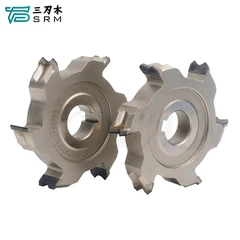
First off, let's talk about what these two types of saw blades are all about. A carbide-tipped grooving saw blade has carbide teeth. Carbide is a super-hard material made from tungsten and carbon. It's known for its durability and ability to stay sharp for a long time. On the other hand, a high-speed steel (HSS) grooving saw blade is made from a type of steel that can withstand high temperatures and is pretty tough too.
Performance in Different Materials
One of the key factors in choosing between the two is the material you'll be cutting. If you're working with hardwoods, metals, or abrasive materials, a carbide-tipped Grooving Saw Blade is your best bet. Carbide teeth can handle the wear and tear of cutting through these tough materials without getting dull too quickly. For example, when cutting through oak or aluminum, the carbide tips will keep their edge, giving you clean and precise cuts.
However, if you're mainly cutting softer materials like pine or plywood, a high-speed steel saw blade might be sufficient. HSS blades are more affordable, and they can still do a decent job on softer woods. They're also a good choice for light-duty or occasional use. For instance, if you're a DIYer who only does some woodworking projects on the weekends, an HSS blade could save you some money without sacrificing too much on performance.
Cutting Speed and Precision
Another aspect to consider is the cutting speed and precision. Carbide-tipped saw blades generally offer faster cutting speeds. The hard carbide teeth can slice through materials more efficiently, reducing the time it takes to complete a job. They also provide better precision, especially when making fine grooves. This is crucial in applications where accuracy is key, such as in cabinet making or furniture production.
High-speed steel blades, while not as fast as carbide-tipped ones, can still provide good precision. They're more forgiving when it comes to small mistakes in handling, which can be an advantage for beginners. But if you're looking for the highest level of speed and precision, carbide is the way to go.
Cost and Longevity
Cost is always a factor when making a purchase. High-speed steel saw blades are typically cheaper upfront. If you're on a tight budget or don't need to use the saw blade frequently, an HSS blade can be a cost-effective option. However, you need to consider the long-term cost. Carbide-tipped blades, although more expensive initially, last much longer. You won't have to replace them as often, which can save you money in the long run, especially if you're using the blade for heavy-duty or professional work.
Maintenance and Durability
Maintenance is also important. Carbide-tipped saw blades require less maintenance. They're resistant to corrosion and can withstand high temperatures without losing their hardness. You just need to keep them clean and occasionally sharpen the teeth. High-speed steel blades, on the other hand, are more prone to corrosion and need to be properly maintained. You'll need to clean them after each use and store them in a dry place to prevent rusting.
Other Saw Blades in the Mix
While we're on the topic of saw blades, it's worth mentioning Edge Banding Saw Blade and Scoring Saw Blade. Edge banding saw blades are used to cut and shape the edges of wood panels, giving them a smooth and professional finish. Scoring saw blades, on the other hand, are used to make a shallow cut before the main cut, reducing chipping and splintering. These blades have their own unique features and applications, but the choice between carbide-tipped and high-speed steel also applies to them.
Making the Decision
So, how do you make the decision between a carbide-tipped and a high-speed steel grooving saw blade? It really depends on your specific needs. If you're a professional woodworker or metalworker who needs to make a lot of cuts on tough materials, a carbide-tipped blade is the obvious choice. It offers the durability, speed, and precision you need for high-quality work.
If you're a hobbyist or someone who only does light woodworking, an HSS blade might be more suitable. It's more affordable and can still get the job done. Just make sure to take good care of it to ensure its longevity.
Conclusion
In conclusion, choosing between a carbide-tipped and a high-speed steel grooving saw blade comes down to the materials you're cutting, the level of precision you need, your budget, and how often you'll be using the blade. Both types have their pros and cons, and understanding these can help you make an informed decision.
If you're still not sure which saw blade is right for you, don't hesitate to reach out. As a Grooving Saw Blade supplier, I'm here to help you find the perfect blade for your needs. Whether you're looking for a carbide-tipped blade for heavy-duty work or an HSS blade for occasional use, I can provide you with the best options. Contact me to start the procurement discussion and get the right saw blade for your projects.


References
- Woodworking Magazine: "Guide to Saw Blades"
- Metalworking Handbook: "Cutting Tools and Their Applications"


