




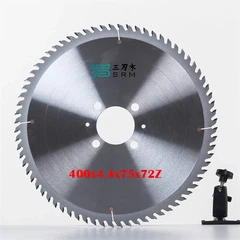


Hey there! As a supplier of grooving saw blades, I've seen firsthand the importance of achieving top - notch cutting quality, especially when it comes to bevel cutting. In this blog, I'm gonna share some tips on how you can improve the cutting quality of your grooving saw blade for bevel cutting.
1. Select the Right Saw Blade
First things first, choosing the appropriate saw blade is crucial. Different materials require different blade specifications. For instance, if you're cutting through hardwood, you'll need a blade with more teeth and a harder carbide tip. On the other hand, softer woods can be cut with blades having fewer teeth.
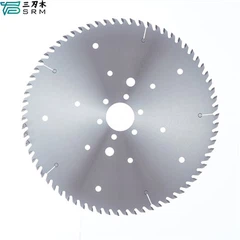
I'd also like to mention some of our other great products. Check out our Frame Saw Blade, which is designed for specific wood - cutting tasks and offers excellent performance. Our Solid Wood Saw Blade is another great option for cutting solid wood materials. And if you're working with acrylic, our Saw Blade for Acrylic is the way to go.
When it comes to bevel cutting, make sure the blade has the right tooth geometry. A blade with a negative rake angle can provide a smoother cut for beveling, as it reduces the amount of material being pushed away during the cut. You should also consider the blade's diameter. A larger diameter blade can often provide a more stable and precise bevel cut, but it also requires a more powerful saw.
2. Keep the Blade Sharp
A sharp blade is essential for high - quality bevel cutting. Dull blades can cause rough cuts, tear - outs, and increase the risk of kickback. You can sharpen your saw blade yourself if you have the right tools and skills. There are various sharpening tools available in the market, such as bench grinders and diamond files. However, if you're not confident in your sharpening abilities, it's best to send the blade to a professional sharpening service.
Regularly inspect your blade for signs of wear. If you notice that the blade is not cutting as smoothly as it used to, or if there are visible chips or nicks on the teeth, it's time to sharpen or replace it. A well - maintained and sharp blade will not only improve the cutting quality but also extend the lifespan of your saw blade.
3. Set the Right Cutting Speed
The cutting speed plays a significant role in the quality of bevel cuts. If the cutting speed is too slow, the blade can overheat, which can lead to dulling of the teeth and a poor - quality cut. On the other hand, if the speed is too fast, the blade may not have enough time to remove the material properly, resulting in rough edges.
The ideal cutting speed depends on several factors, including the type of material you're cutting, the blade's diameter, and the saw's power. As a general rule of thumb, for softer materials, you can use a higher cutting speed, while for harder materials, a slower speed is recommended. Consult the saw blade manufacturer's guidelines to determine the appropriate cutting speed for your specific blade and application.
4. Adjust the Bevel Angle Correctly
Accurate bevel angle adjustment is key to achieving precise bevel cuts. Most saws come with a bevel adjustment mechanism. Before making a cut, make sure to measure and set the bevel angle accurately. You can use a protractor or an angle gauge to double - check the setting.
Take your time to fine - tune the bevel angle. Even a small error in the angle can result in a significant deviation in the final cut. Make test cuts on scrap material to ensure that the bevel angle is correct before cutting your actual workpiece.
5. Use the Right Feed Rate
The feed rate, or the speed at which you move the material through the saw blade, is another important factor. A too - fast feed rate can cause the blade to bog down, leading to rough cuts and potential damage to the blade. A too - slow feed rate can cause the blade to overheat and may also result in a poor - quality cut.
The optimal feed rate depends on the material, the blade, and the cutting speed. Start with a slow feed rate and gradually increase it as you get a feel for how the blade is cutting. Pay attention to the sound and the feel of the cut. If you hear a lot of noise or feel excessive vibration, it may be a sign that the feed rate is too fast.
6. Secure the Workpiece Properly
A stable workpiece is essential for high - quality bevel cutting. If the workpiece moves or vibrates during the cut, it can cause uneven cuts and increase the risk of accidents. Use clamps or other securing devices to hold the workpiece firmly in place.
Make sure the workpiece is positioned correctly on the saw table. Align it with the blade and the bevel angle setting. If possible, use a fence or a guide to keep the workpiece moving in a straight line during the cut.
7. Maintain a Clean Work Environment
A clean work environment can also contribute to better cutting quality. Sawdust and debris can accumulate on the blade and the saw table, which can affect the performance of the blade and the accuracy of the cut. Regularly clean the saw table and the blade to remove any sawdust or debris.
You can use a brush or a compressed air gun to clean the blade. Make sure to turn off the saw and unplug it before cleaning the blade to avoid any accidents. Keeping the work area clean will also help you see the cut more clearly and make adjustments as needed.
8. Consider the Blade Coating
Some saw blades come with special coatings, such as titanium nitride (TiN) or diamond - like carbon (DLC). These coatings can reduce friction, which in turn can improve the cutting quality and extend the blade's lifespan.
TiN - coated blades are known for their hardness and wear resistance. They can cut through materials more smoothly and with less heat generation. DLC - coated blades offer excellent low - friction properties, which can result in cleaner cuts and less blade wear.
If you're looking for enhanced cutting performance, consider investing in a saw blade with a suitable coating. However, keep in mind that coated blades are usually more expensive than uncoated ones.
9. Train Your Operators
If you're using the saw blade in a professional setting, proper operator training is crucial. Make sure your operators understand how to use the saw safely and effectively. Train them on how to select the right blade, set the cutting speed and bevel angle, and use the correct feed rate.


Provide hands - on training and allow operators to practice on scrap material before working on actual projects. Encourage them to ask questions and share their experiences. Well - trained operators are more likely to achieve high - quality bevel cuts and reduce the risk of accidents.
Conclusion
Improving the cutting quality of a grooving saw blade for bevel cutting requires attention to detail and a combination of the right techniques and tools. By selecting the right blade, keeping it sharp, setting the correct cutting speed and bevel angle, using the proper feed rate, securing the workpiece, maintaining a clean work environment, considering blade coatings, and training your operators, you can achieve excellent bevel cuts.
If you're interested in purchasing high - quality grooving saw blades or have any questions about improving cutting quality, feel free to reach out to us. We're here to help you find the best solutions for your cutting needs.
References
- Woodworking Machinery and Tools Handbook
- Saw Blade Manufacturer's Technical Guides
So, what are you waiting for? Start implementing these tips and take your bevel cutting to the next level!