



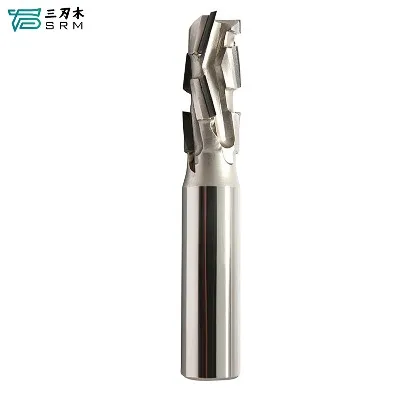

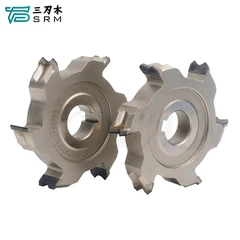







Trimming saw blades are essential tools in various industries, from woodworking to metalworking and beyond. As a leading trimming saw blade supplier, we understand the importance of providing high-quality blades that meet the diverse needs of our customers. In this blog post, we will explore the different types of trimming saw blades, their features, and applications.
1. Carbide-Tipped Trimming Saw Blades
Carbide-tipped trimming saw blades are among the most popular choices in the market. These blades feature carbide teeth, which are extremely hard and durable. Carbide is a compound made of carbon and a metal, usually tungsten. The carbide tips are brazed onto the blade body, providing a sharp cutting edge that can withstand high temperatures and wear.
Features


- Longevity: Carbide-tipped blades can last significantly longer than regular steel blades. They maintain their sharpness for a longer period, reducing the frequency of blade changes.
- Versatility: They can be used to cut a wide range of materials, including hardwood, softwood, plywood, MDF, and even some non-ferrous metals.
- Precision Cutting: The sharp carbide teeth ensure clean and precise cuts, making them ideal for applications where accuracy is crucial.
Applications
- Woodworking: In woodworking shops, carbide-tipped trimming saw blades are used for cutting boards, making joints, and trimming edges. They are commonly found in table saws, miter saws, and circular saws.
- Cabinet Making: For cabinet makers, these blades are essential for creating precise cuts in cabinet components, such as doors, drawers, and frames.
2. Diamond Trimming Saw Blades
Diamond trimming saw blades are designed for cutting extremely hard materials. As the name suggests, these blades are embedded with diamond particles, which are the hardest known natural substance.
Features
- Exceptional Hardness: Diamond blades can cut through materials that are too hard for carbide-tipped blades, such as concrete, stone, ceramic tiles, and glass.
- High Cutting Efficiency: The diamond particles on the blade edge create a very aggressive cutting action, allowing for fast and efficient cutting.
- Heat Resistance: Diamond has excellent heat resistance, which helps to prevent the blade from overheating during cutting.
Applications
- Construction: In the construction industry, Diamond Blade for Circular Saw are used for cutting concrete slabs, bricks, and stones. They are commonly used in circular saws and angle grinders.
- Tile Installation: Tile installers use diamond blades to cut ceramic and porcelain tiles accurately. The sharp diamond edge ensures clean cuts without chipping the tiles.
3. High-Speed Steel (HSS) Trimming Saw Blades
High-speed steel trimming saw blades are made from a type of tool steel that can withstand high temperatures without losing its hardness. HSS blades are known for their toughness and ability to cut at high speeds.
Features
- Good Heat Resistance: HSS blades can operate at high cutting speeds without losing their temper, making them suitable for continuous cutting applications.
- Cost-Effective: Compared to carbide-tipped and diamond blades, HSS blades are generally more affordable, making them a popular choice for budget-conscious users.
- Sharpenable: HSS blades can be sharpened multiple times, extending their lifespan and reducing overall costs.
Applications
- Metalworking: HSS trimming saw blades are commonly used for cutting mild steel, aluminum, and other non-ferrous metals. They are often used in band saws and circular saws in metal fabrication shops.
- General Purpose Cutting: In some cases, HSS blades can also be used for cutting wood and plastics, although they may not offer the same level of precision as carbide-tipped blades.
4. Hogging Cutter Blades
Hogging cutter blades are specifically designed for heavy-duty cutting applications, especially in the woodworking industry. These blades are used in double end tenoners to remove large amounts of material quickly.
Features
- Large Teeth: Hogging cutter blades have large, aggressive teeth that are designed to take deep cuts and remove material rapidly.
- High Chip Capacity: The large tooth design allows for a high chip capacity, preventing the blade from clogging during cutting.
- Robust Construction: These blades are built to withstand the high forces and stresses associated with heavy-duty cutting.
Applications
- Wood Milling: In wood mills, Hogging Cutter for Double End Tenoner are used to square the ends of lumber and remove rough edges. They are also used for profiling and shaping wood components.
5. Grooving Saw Blades
Grooving saw blades are used to create grooves or slots in various materials. These blades are available in different widths and tooth configurations to suit different groove sizes and materials.
Features
- Narrow Width: Grooving saw blades are typically narrow, allowing them to create precise grooves with minimal material removal.
- Special Tooth Design: The teeth on grooving saw blades are designed to cut cleanly and efficiently, leaving smooth groove walls.
- Versatility: They can be used to cut grooves in wood, plastic, metal, and other materials.
Applications
- Woodworking: In woodworking, Grooving Saw Blade are used to create dadoes, rabbets, and other types of grooves for joinery and decorative purposes.
- Electronics: In the electronics industry, grooving saw blades are used to cut slots in printed circuit boards (PCBs) for component placement.
Conclusion
Choosing the right trimming saw blade is crucial for achieving optimal cutting performance and results. Whether you are a professional tradesperson or a DIY enthusiast, understanding the different types of trimming saw blades and their applications can help you make an informed decision. As a trimming saw blade supplier, we offer a wide range of high-quality blades to meet your specific needs. If you are interested in purchasing trimming saw blades or have any questions about our products, please feel free to contact us for a purchase consultation. We look forward to working with you!
References
- Machinery's Handbook, 31st Edition
- Woodworking Magazine's Guide to Cutting Tools
- Metalworking Technology Handbook


