







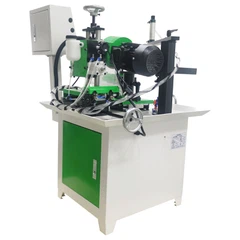

Hey there, woodworking enthusiasts! As a supplier of planer cutterheads, I've seen my fair share of cutterheads in action and know when it's time for a replacement. In this blog, I'm gonna share with you the signs that a planer cutterhead needs to be replaced. So, let's dive right in!
1. Dull Cuts and Rough Surfaces
One of the most obvious signs that your planer cutterhead is in need of replacement is when you start getting dull cuts and rough surfaces on your wood. When the blades on the cutterhead become dull, they can't slice through the wood as cleanly as they should. Instead of a smooth, even finish, you'll notice that the wood has a rough texture, and there might be tear - outs or splintering.
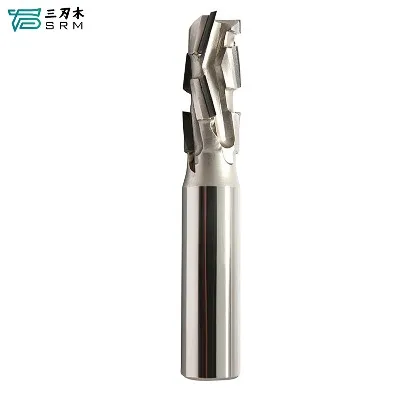
If you've been using the same cutterhead for a while and you find that you're having to make multiple passes to get a smooth surface, it's a clear indication that the blades are worn out. And if you're constantly sanding to fix the rough cuts, it's time to think about getting a new cutterhead. You can check out our Thickness Planer Cutterhead for a high - quality replacement.
2. Uneven Cutting
Another tell - tale sign is uneven cutting. When a cutterhead is in good condition, it should cut the wood evenly across the width of the board. But if you notice that one side of the board is being cut deeper than the other, or if there are ridges or valleys on the surface of the wood, it's likely that the cutterhead is out of balance or the blades are unevenly worn.
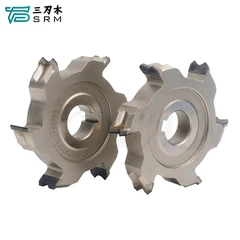
This uneven cutting can be caused by a variety of factors, such as improper installation of the blades, damage to the cutterhead body, or simply normal wear and tear. In any case, an unevenly cutting cutterhead will result in sub - par woodworking projects. Our Degree Locking Miter Cutter Heads are designed to provide even and precise cuts, so they could be a great solution if you're facing this problem.
3. Excessive Noise and Vibration
A healthy planer cutterhead should operate relatively quietly and smoothly. If you start to hear loud, unusual noises coming from your planer when it's running, or if you feel excessive vibration, it could be a sign that the cutterhead is damaged or worn.
Noise and vibration can be caused by a number of issues. For example, loose blades can cause the cutterhead to vibrate as it spins. Also, if the cutterhead has been damaged or is out of balance, it will create more noise and vibration during operation. Continued use of a noisy and vibrating cutterhead can not only affect the quality of your cuts but also put additional stress on your planer, potentially leading to more serious problems down the line.
4. Blades are Chipped or Broken
Inspecting the blades of your cutterhead regularly is crucial. If you notice that the blades are chipped, broken, or have large chunks missing, it's definitely time for a replacement. Chipped or broken blades can't cut the wood properly, and they can also cause damage to the wood surface.
Blades can get chipped or broken due to hitting hard objects like nails or knots in the wood. Even a small chip can cause the cutterhead to cut unevenly and create a rough surface. In some cases, you might be able to replace just the blades, but if the damage is extensive, it's often more cost - effective to replace the entire cutterhead. We offer Cutter Heads for Rabbeting with high - quality blades that are less likely to chip or break.
5. Reduced Cutting Efficiency
Over time, as the cutterhead wears out, its cutting efficiency will decrease. You might find that it takes longer to plane the same amount of wood, or that you need to apply more pressure to get the planer to cut through the wood. This is because the dull blades have a harder time slicing through the wood fibers.
Reduced cutting efficiency not only slows down your woodworking projects but also increases the wear and tear on your planer. If you're spending more time and effort on planing than you used to, it's a sign that your cutterhead might need to be replaced.
6. Increased Heat Generation
When a cutterhead is in good condition, it should generate a normal amount of heat during operation. However, if you notice that the cutterhead is getting unusually hot, it could be a sign of a problem. Excessive heat can be caused by dull blades, as they have to work harder to cut through the wood, which generates more friction and heat.
High temperatures can not only damage the cutterhead itself but also the wood being planed. It can cause the wood to burn or discolor, ruining your project. If you feel that the cutterhead is getting too hot, it's time to take a closer look and consider a replacement.
7. Visible Wear on the Cutterhead Body
In addition to checking the blades, you should also inspect the cutterhead body. Look for signs of wear, such as scratches, dents, or corrosion. If the cutterhead body is damaged, it can affect the performance of the blades and the overall cutting quality.
Corrosion can weaken the structure of the cutterhead, and scratches or dents can cause the blades to be installed unevenly. If you notice significant wear on the cutterhead body, it's a good idea to replace it.
Conclusion
So, there you have it - the signs that a planer cutterhead needs to be replaced. Keeping an eye out for these signs can help you maintain the quality of your woodworking projects and extend the lifespan of your planer.


If you're experiencing any of these issues with your planer cutterhead, don't hesitate to reach out. We're here to help you find the right replacement cutterhead for your needs. Whether you need a Thickness Planer Cutterhead, Cutter Heads for Rabbeting, or Degree Locking Miter Cutter Heads, we've got you covered.
If you're interested in purchasing a new planer cutterhead, feel free to contact us for more information and to discuss your specific requirements. We're always happy to assist you in finding the best solution for your woodworking needs.
References
- Woodworking Machinery Handbook
- Guide to Planer Cutterhead Maintenance


