



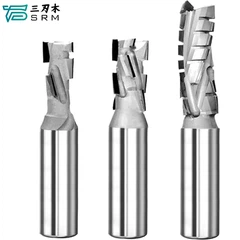
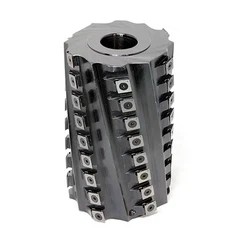
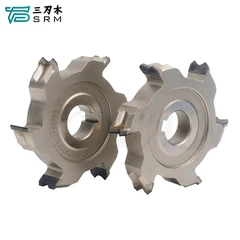

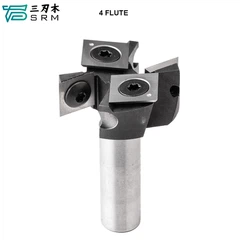



Aluminum router bits are essential tools in the machining and woodworking industries, designed to cut, shape, and carve aluminum materials with precision. As a supplier of high - quality aluminum router bits, I often get asked about what materials these bits are made of. In this blog, I'll break down the common materials used in manufacturing aluminum router bits and explain why each one is suitable for the job.
High - Speed Steel (HSS)
High - speed steel is one of the most traditional materials for making router bits. It's a type of tool steel that can withstand high temperatures generated during the cutting process without losing its hardness. HSS bits are relatively affordable, which makes them a popular choice for small - scale workshops or hobbyists.
The main advantage of HSS bits is their toughness. They can handle a fair amount of abuse, such as accidental collisions or rough handling, without chipping easily. However, they do have some limitations. HSS bits tend to dull faster compared to other materials, especially when cutting through hard aluminum alloys. This means they need to be sharpened more frequently, which can be time - consuming and costly in the long run.
Carbide
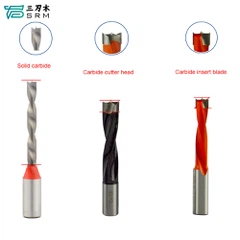
Carbide is another widely used material for aluminum router bits. There are two main types: solid carbide and carbide - tipped.
Solid Carbide
Solid carbide router bits are made entirely from carbide, a compound of carbon and a metal, usually tungsten. These bits are extremely hard and wear - resistant. They can maintain their sharp edges for a long time, even when cutting through tough aluminum materials. Solid carbide bits are great for high - speed machining, as they can handle high cutting speeds and feeds without getting damaged.
One of the drawbacks of solid carbide bits is their cost. They are more expensive than HSS bits, but the longer lifespan and better performance often justify the higher price. Solid carbide bits are ideal for professional workshops and large - scale manufacturing operations where precision and efficiency are crucial. For example, our Double - ended Spiral Saw Bit is made of solid carbide, which provides excellent cutting performance and durability.
Carbide - Tipped
Carbide - tipped router bits have a carbide cutting edge brazed onto a steel body. This design combines the strength of steel with the hardness of carbide. The steel body provides the necessary structural support, while the carbide tip does the actual cutting. Carbide - tipped bits are a good compromise between cost and performance. They are more affordable than solid carbide bits but still offer better cutting performance and longer lifespan than HSS bits.
Cobalt
Cobalt is an alloying element that can be added to high - speed steel to improve its performance. Cobalt - alloyed HSS bits are harder and more heat - resistant than regular HSS bits. They can handle higher cutting speeds and are better suited for cutting hard aluminum alloys.
Cobalt bits are a good option for applications where you need a bit that can withstand high temperatures and maintain its sharpness. However, like solid carbide bits, they are more expensive than regular HSS bits. But if you're dealing with tough aluminum materials on a regular basis, the investment in cobalt - alloyed HSS bits can pay off in the long run.
Diamond
Diamond is the hardest material on Earth, and diamond - coated router bits offer the ultimate in cutting performance. These bits are typically used for cutting extremely hard aluminum composites or for applications that require the highest level of precision.
Diamond - coated bits can maintain their sharpness for an incredibly long time, even when cutting through abrasive materials. However, they are also the most expensive option. They are usually reserved for specialized applications where other materials won't suffice.
Factors to Consider When Choosing the Material
When choosing the right material for your aluminum router bits, there are several factors to consider:
Type of Aluminum
Different aluminum alloys have different hardness levels. Softer aluminum alloys can be cut with HSS or carbide - tipped bits, while harder alloys may require solid carbide or diamond - coated bits.


Cutting Speed and Feed Rate
If you need to achieve high cutting speeds and feeds, solid carbide or cobalt - alloyed HSS bits are better choices. These materials can handle the heat generated during high - speed machining without losing their cutting edge.
Budget
Your budget will also play a role in your decision. If you're on a tight budget, HSS or carbide - tipped bits may be the way to go. But if you can afford it, investing in solid carbide or diamond - coated bits can save you money in the long run due to their longer lifespan and better performance.
Our Product Range
As a supplier of aluminum router bits, we offer a wide range of products made from different materials to meet the diverse needs of our customers. Our Round Slotting Router Bit is available in both solid carbide and carbide - tipped options, providing you with choices based on your budget and application requirements. Our Tapered Ball Nose Bit is also made with high - quality materials to ensure precise and efficient cutting.
If you're in the market for aluminum router bits, we'd love to hear from you. Whether you're a small - scale workshop or a large - scale manufacturing operation, we can provide you with the right tools for the job. Contact us to discuss your specific needs and get a quote. We're committed to providing high - quality products and excellent customer service.
References
- ASM Handbook, Volume 1: Properties and Selection: Irons, Steels, and High - Performance Alloys
- Machining of Aluminum Alloys: Fundamentals and Applications by P. D. Hodgson and A. R. Kennedy


