



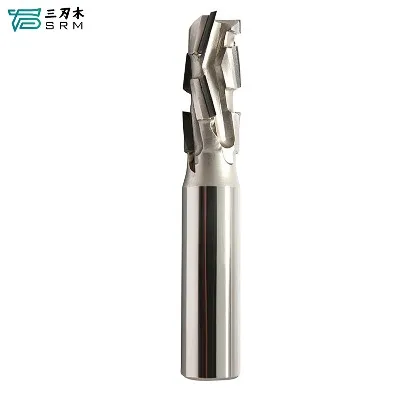





When it comes to TCT (Tungsten Carbide Tipped) router bits, one of the most critical decisions you'll face is choosing between single - flute and multi - flute options. As a TCT router bits supplier, I've witnessed firsthand the impact this choice can have on the quality of work, efficiency, and overall cost - effectiveness of a project. In this blog, I'll delve into the differences between single - flute and multi - flute TCT router bits, helping you make an informed decision for your specific needs.
Cutting Speed and Efficiency
Single - flute TCT router bits are known for their high cutting speed. With only one cutting edge, these bits can move through the material quickly. This is especially beneficial when working on projects that require rapid material removal. For example, in roughing operations where you need to shape a large piece of wood or plastic quickly, a single - flute bit can significantly reduce the time spent on the initial stages of the project.
On the other hand, multi - flute TCT router bits offer a different approach to cutting speed. While they may not cut as fast as single - flute bits in terms of raw material removal rate, they can complete a project more efficiently in the long run. Multiple cutting edges distribute the cutting load more evenly, allowing for a smoother and more continuous cut. This means that you can often run the router at a higher feed rate without sacrificing the quality of the cut. For instance, when making intricate cuts on a CNC machine, a multi - flute bit can maintain a consistent speed and produce a cleaner finish, reducing the need for post - processing.


Surface Finish
The surface finish is another area where single - flute and multi - flute TCT router bits differ significantly. Single - flute bits tend to leave a rougher surface finish. This is because the single cutting edge creates a series of individual grooves as it moves through the material. While this may not be a problem for projects where the final surface will be further processed, such as sanded or painted, it can be a drawback for applications where a smooth finish is required right off the bat.
Multi - flute TCT router bits, on the contrary, are designed to produce a much smoother surface finish. The multiple cutting edges work together to remove material in a more uniform manner, minimizing the visible grooves and creating a cleaner, more professional - looking surface. For example, if you're working on a furniture piece where the exposed edges need to be flawless, a multi - flute bit like the Step Router Bit can be an excellent choice.
Chip Evacuation
Chip evacuation is a crucial factor in the performance of TCT router bits. Single - flute bits have a distinct advantage in this regard. The large flute space in a single - flute bit allows chips to be easily removed from the cutting area. This is particularly important when working with materials that produce large or stringy chips, such as softwoods or plastics. Efficient chip evacuation helps prevent the chips from clogging the bit, which can lead to overheating and premature wear.
Multi - flute bits, however, face more challenges with chip evacuation. The smaller flute spaces between the multiple cutting edges can make it more difficult for chips to escape. This can result in chips getting trapped in the flutes, causing the bit to heat up and potentially damage the material or the bit itself. To mitigate this issue, some multi - flute bits are designed with special geometries or coatings to improve chip flow. For example, the TCT Tapered Ball Nose Bit may have a unique flute design to enhance chip evacuation.
Tool Life
Tool life is an important consideration for any project, as it directly impacts the cost of production. Single - flute TCT router bits generally have a shorter tool life compared to multi - flute bits. The single cutting edge is subjected to more stress during the cutting process, which can lead to faster wear and tear. Additionally, the high cutting speeds often used with single - flute bits can also contribute to a shorter lifespan.
Multi - flute bits, on the other hand, tend to last longer. The even distribution of the cutting load among multiple edges reduces the stress on each individual edge, resulting in less wear. This means that you won't have to replace multi - flute bits as frequently, which can save you money in the long term. However, it's important to note that the tool life of both single - flute and multi - flute bits can be affected by factors such as the material being cut, the cutting speed, and the feed rate.
Application Specifics
The choice between single - flute and multi - flute TCT router bits also depends on the specific application. Single - flute bits are well - suited for roughing operations, plunge cuts, and working with soft or fibrous materials. Their high cutting speed and good chip evacuation make them ideal for quickly shaping large pieces of material. For example, if you're building a wooden frame and need to rough out the joints, a single - flute bit can get the job done efficiently.
Multi - flute bits are better for finishing operations, precision cuts, and working with hard or dense materials. Their ability to produce a smooth surface finish and their longer tool life make them a top choice for projects that require high accuracy and a professional look. For instance, when creating detailed inlays or working on a high - end cabinet, a multi - flute bit like the CNC V Bits can provide the precision and quality you need.
Conclusion
In conclusion, single - flute and multi - flute TCT router bits each have their own unique advantages and disadvantages. The best choice depends on a variety of factors, including the type of project, the material being cut, the desired surface finish, and the overall cost - effectiveness. As a TCT router bits supplier, I'm here to help you navigate these choices and find the right bit for your specific needs.
If you're interested in learning more about our TCT router bits or have any questions about which type of bit is best for your project, don't hesitate to reach out. We're committed to providing high - quality products and excellent customer service. Whether you're a professional woodworker, a CNC operator, or a DIY enthusiast, we have the right TCT router bit for you. Contact us today to start discussing your procurement needs and take your projects to the next level.
References
- "Router Bit Basics: A Guide to Choosing the Right Bit" by Woodworking Magazine
- "Advanced Cutting Tools for CNC Machining" by Industrial Machinery Journal
- "TCT Router Bit Technology and Applications" by Cutting Tool Research Institute


