







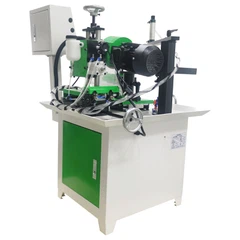

Hey there, fellow woodworkers and DIY enthusiasts! As a supplier of Forstner drill bits, I've seen firsthand how crucial it is to keep these tools sharp. A sharp Forstner drill bit can make all the difference in the quality of your work, whether you're creating precise holes for dowels or making clean, flat-bottomed holes in wood. In this blog post, I'm going to walk you through the tools you need to sharpen a Forstner drill bit and get it back in tip-top shape.
Why Sharpen Your Forstner Drill Bit?
Before we dive into the tools, let's talk about why sharpening your Forstner drill bit is so important. Over time, the cutting edges of your drill bit will wear down, making it less effective at cutting through wood. A dull drill bit can cause a variety of problems, including:


- Rough holes: A dull bit will tear and splinter the wood, leaving rough edges around the hole.
- Increased heat: Dull bits generate more heat, which can damage the bit and the wood.
- Poor accuracy: A dull bit may wander or drift while drilling, resulting in inaccurate holes.
By sharpening your Forstner drill bit regularly, you can ensure that it performs at its best and produces clean, precise holes every time.
Tools You'll Need
Now that you understand the importance of sharpening your Forstner drill bit, let's take a look at the tools you'll need to get the job done.
1. Bench Grinder
A bench grinder is a must-have tool for sharpening Forstner drill bits. It consists of a motor-driven wheel with an abrasive surface that can be used to grind and shape the cutting edges of the bit. When choosing a bench grinder, look for one with a fine-grit wheel (around 60 to 80 grit) for sharpening drill bits.
2. Drill Bit Sharpening Jig
A drill bit sharpening jig is a device that helps you hold the drill bit at the correct angle while sharpening it on the bench grinder. This ensures that the cutting edges are sharpened evenly and at the correct angle, resulting in a sharp and effective drill bit. There are many different types of drill bit sharpening jigs available on the market, so choose one that is compatible with your Forstner drill bit.
3. Files
Files are another useful tool for sharpening Forstner drill bits. They can be used to remove any burrs or rough edges from the cutting edges of the bit after it has been sharpened on the bench grinder. Look for a fine-tooth file that is suitable for use on metal.
4. Safety Gear
Sharpening a drill bit can be a dangerous task, so it's important to wear the appropriate safety gear. This includes safety glasses to protect your eyes from flying debris, gloves to protect your hands, and a dust mask to protect your lungs from the dust generated by the bench grinder.
Step-by-Step Guide to Sharpening a Forstner Drill Bit
Now that you have all the tools you need, let's walk through the steps to sharpen a Forstner drill bit.
Step 1: Prepare the Bench Grinder
Before you start sharpening your drill bit, make sure the bench grinder is properly set up and running smoothly. Check the wheel for any damage or wear, and adjust the tool rest so that it is at the correct angle for sharpening the drill bit.
Step 2: Secure the Drill Bit in the Sharpening Jig
Place the Forstner drill bit in the drill bit sharpening jig and secure it in place. Make sure the bit is centered and aligned correctly in the jig, and adjust the angle of the jig so that it matches the angle of the cutting edges of the bit.
Step 3: Sharpen the Cutting Edges
Turn on the bench grinder and carefully bring the drill bit into contact with the grinding wheel. Use a light, even pressure and move the bit back and forth across the wheel to sharpen the cutting edges. Be careful not to overheat the bit, as this can damage the temper of the metal.
Step 4: Check the Angle
After sharpening the cutting edges, check the angle of the bit using a protractor or a drill bit angle gauge. The angle of the cutting edges should be between 118 and 120 degrees for most Forstner drill bits. If the angle is too steep or too shallow, adjust the angle of the sharpening jig and repeat the sharpening process.
Step 5: Remove Burrs and Rough Edges
Once the cutting edges are sharpened to the correct angle, use a file to remove any burrs or rough edges from the bit. This will help to ensure a smooth and clean cut when using the drill bit.
Step 6: Test the Drill Bit
After sharpening the drill bit, test it on a scrap piece of wood to make sure it is cutting smoothly and accurately. If the bit is still not performing as expected, you may need to repeat the sharpening process or adjust the angle of the cutting edges.
Other Tools and Accessories
In addition to the tools mentioned above, there are a few other tools and accessories that can be helpful when sharpening a Forstner drill bit.
1. Honing Stone
A honing stone can be used to further refine the cutting edges of the drill bit after it has been sharpened on the bench grinder. This will help to remove any remaining burrs or rough edges and give the bit a smoother, sharper cutting edge.
2. Lubricant
Using a lubricant, such as cutting oil or water, can help to reduce friction and heat when sharpening the drill bit on the bench grinder. This will help to prevent the bit from overheating and damage the temper of the metal.
3. Magnifying Glass
A magnifying glass can be used to inspect the cutting edges of the drill bit for any signs of damage or wear. This will help you to identify any areas that need to be sharpened or repaired.
Conclusion
Sharpening a Forstner drill bit is a relatively simple process that can be done with a few basic tools. By keeping your drill bit sharp, you can ensure that it performs at its best and produces clean, precise holes every time. If you have any questions or need further advice on sharpening your Forstner drill bit, please don't hesitate to contact us. We're here to help you get the most out of your tools and achieve the best results in your woodworking projects.
If you're in the market for high-quality Forstner drill bits or other types of drill bits, such as Countersink Drill Bit, Blind Dowel Hole Drill Bit, or Through Hole Drill Bit, we've got you covered. Our drill bits are made from the highest quality materials and are designed to provide long-lasting performance and precision. Contact us today to learn more about our products and to discuss your specific needs. We look forward to working with you!
References
- Woodworking Magazine
- Popular Mechanics
- The Complete Guide to Drill Bit Sharpening


