



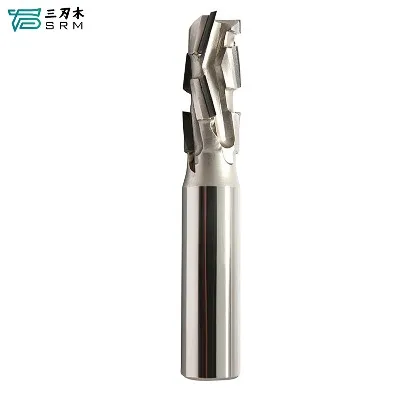





Hey there! As a supplier of Ball Nose Router Bits, I often get asked about the helix angle of these bits. So, let's dive right into it and figure out what the helix angle of a ball nose router bit is all about.


First off, what exactly is a helix angle? Well, in simple terms, the helix angle is the angle at which the flutes of a router bit twist around the bit's body. It's measured in degrees and plays a crucial role in how the bit performs during the cutting process.
Now, let's talk about the ball nose router bit. A Ball Nose Router Bit is a type of cutting tool with a rounded tip, which makes it ideal for creating 3D contours, rounded edges, and smooth finishes. The helix angle of a ball nose router bit can have a significant impact on its cutting performance.
Why the Helix Angle Matters
The helix angle affects several aspects of the cutting process, including chip evacuation, cutting force, and surface finish.
-
Chip Evacuation: A higher helix angle helps in better chip evacuation. When the bit cuts through the material, chips are produced. If these chips aren't removed efficiently, they can clog the flutes of the bit, leading to overheating and poor cutting performance. A bit with a steeper helix angle can push the chips out of the cutting area more effectively, keeping the flutes clean and allowing for smoother cutting.
-
Cutting Force: The helix angle also influences the cutting force. A lower helix angle generally results in higher cutting forces, which can put more stress on the bit and the machine. On the other hand, a higher helix angle can reduce the cutting force, making the cutting process more efficient and less strenuous on the equipment.
-
Surface Finish: The helix angle can affect the surface finish of the workpiece. A higher helix angle can produce a smoother surface finish because it reduces the chances of chip recutting and minimizes the formation of rough edges.
Common Helix Angles for Ball Nose Router Bits
Ball nose router bits typically come with helix angles ranging from 20° to 45°.
-
Low Helix Angle (20° - 30°): Bits with a low helix angle are better suited for roughing operations. They can handle larger amounts of material removal and are more resistant to deflection. However, they may not provide the best surface finish compared to bits with higher helix angles. If you're looking for End Mills for Roughing, a low helix angle ball nose router bit could be a good choice.
-
High Helix Angle (35° - 45°): Bits with a high helix angle are great for finishing operations. They offer better chip evacuation and can produce a smoother surface finish. They are also more suitable for cutting softer materials. For example, if you're working on a project that requires a fine finish, a high helix angle Ball Nose Router Bit would be a better option.
Choosing the Right Helix Angle
When choosing the helix angle for your ball nose router bit, you need to consider several factors, such as the material you're cutting, the type of operation (roughing or finishing), and the machine you're using.
-
Material: Softer materials like wood and plastics can usually be cut with a higher helix angle bit. These materials generate less heat and are easier to chip away. Harder materials like metals may require a lower helix angle bit to handle the higher cutting forces.
-
Operation: If you're doing a lot of roughing, a low helix angle bit will be more efficient. For finishing operations, a high helix angle bit will give you a better surface finish.
-
Machine: The capabilities of your machine also play a role. Some machines may not be able to handle the high cutting forces associated with a low helix angle bit. In such cases, a high helix angle bit would be a safer choice.
Other Factors to Consider
Apart from the helix angle, there are other factors that can affect the performance of a ball nose router bit.
-
Flute Design: The number and shape of the flutes can also impact the cutting performance. For example, an O Flute Router Bit has a unique flute design that can provide better chip evacuation and cutting efficiency.
-
Coating: Some ball nose router bits come with a coating that can improve their durability and performance. Coatings like TiN (Titanium Nitride) and TiAlN (Titanium Aluminum Nitride) can reduce friction and increase the bit's lifespan.
-
Shank Size: The shank size of the bit needs to match the collet of your router. Using the wrong shank size can lead to instability and poor cutting performance.
Conclusion
In conclusion, the helix angle of a ball nose router bit is an important factor that can significantly affect its cutting performance. By understanding how the helix angle works and choosing the right one for your specific application, you can achieve better results and extend the lifespan of your router bit.
If you're in the market for high-quality ball nose router bits, we've got you covered. We offer a wide range of Ball Nose Router Bits with different helix angles to suit your needs. Whether you're a professional woodworker, a metal fabricator, or a DIY enthusiast, we have the right bit for you.
If you have any questions or want to discuss your specific requirements, feel free to reach out. We're here to help you make the best choice for your projects. Let's start a conversation and see how we can work together to achieve your machining goals.
References
- Machining Handbook, Industrial Press Inc.
- Cutting Tool Engineering Magazine


