



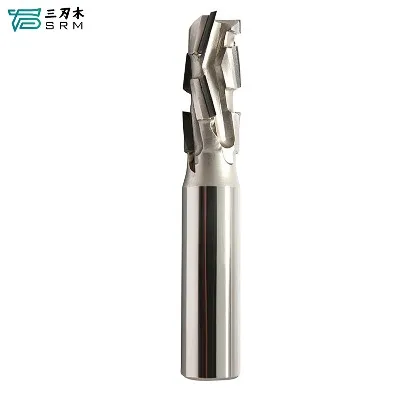





When it comes to woodworking, CNC machining, or other precision cutting tasks, the choice of a ball nose router bit can significantly impact the quality and efficiency of the work. Two popular materials for ball nose router bits are solid carbide and high - speed steel. As a ball nose router bit supplier, I've had the opportunity to see firsthand the advantages and disadvantages of each material. In this blog post, I'll delve into the details of solid carbide and high - speed steel ball nose router bits to help you make an informed decision.
Solid Carbide Ball Nose Router Bits
Solid carbide ball nose router bits are made from a very hard and wear - resistant material. Carbide is a composite material that typically consists of tungsten carbide particles held together by a metallic binder, usually cobalt.
One of the most significant advantages of solid carbide ball nose router bits is their exceptional hardness. This hardness allows them to maintain a sharp cutting edge for a long time, even when cutting through tough materials. For example, when working with hardwoods like oak or maple, a solid carbide bit can cut cleanly and smoothly without dulling quickly. This results in a high - quality finish on the workpiece, with less tear - out and better surface smoothness.
Another benefit of solid carbide bits is their heat resistance. During the cutting process, a significant amount of heat is generated. Solid carbide can withstand high temperatures without losing its hardness or shape. This is crucial for high - speed machining operations, where the heat can quickly degrade the cutting edge of a less heat - resistant bit.
Solid carbide ball nose router bits also offer excellent precision. They can be manufactured to very tight tolerances, which is essential for applications that require high - precision cuts, such as in the production of molds, prototypes, or detailed wood carvings.
However, solid carbide bits do have some drawbacks. They are generally more expensive than high - speed steel bits. The cost of the raw materials and the manufacturing process contribute to the higher price tag. Additionally, solid carbide bits are more brittle than high - speed steel. If they are subjected to excessive force or impact, they can chip or break.
High - Speed Steel Ball Nose Router Bits
High - speed steel (HSS) is a type of tool steel that is known for its ability to maintain its hardness at high cutting speeds. HSS ball nose router bits are made from a combination of iron, carbon, and other alloying elements such as tungsten, molybdenum, chromium, and vanadium.
One of the main advantages of high - speed steel ball nose router bits is their cost - effectiveness. They are generally more affordable than solid carbide bits, making them a popular choice for hobbyists and small - scale woodworking operations.
HSS bits are also more forgiving than solid carbide bits. They are less brittle and can withstand more abuse without breaking. This makes them a good option for less experienced users or for applications where the cutting conditions are not as precise.


Another benefit of high - speed steel is its ease of resharpening. If a HSS bit becomes dull, it can be sharpened using standard sharpening tools, such as a bench grinder or a file. This allows users to extend the life of the bit and save money in the long run.
However, high - speed steel has its limitations. It is not as hard as solid carbide, so it will dull more quickly when cutting through hard materials. The lower hardness also means that HSS bits may not be able to achieve the same level of precision as solid carbide bits, especially in high - speed and high - precision applications.
Applications and Considerations
The choice between solid carbide and high - speed steel ball nose router bits depends on several factors, including the type of material being cut, the required precision, the cutting speed, and the budget.
For cutting soft materials such as pine, poplar, or MDF, high - speed steel ball nose router bits may be sufficient. They can provide a good balance between cost and performance. However, if you are working with harder materials like hardwoods, metals, or composites, solid carbide bits are usually the better choice. Their hardness and heat resistance allow them to cut through these materials more effectively and maintain a sharp edge for a longer time.
In terms of precision, if you are working on projects that require high - precision cuts, such as in the aerospace or medical industries, solid carbide ball nose router bits are the preferred option. Their ability to hold tight tolerances ensures that the final product meets the required specifications.
If you are on a tight budget or are just starting out in woodworking, high - speed steel bits can be a good starting point. They are more affordable and can still provide decent results for many applications.
Our Product Offerings
As a ball nose router bit supplier, we offer a wide range of both solid carbide and high - speed steel ball nose router bits. Our solid carbide bits are designed for high - performance applications, with sharp cutting edges and excellent heat resistance. We also have a selection of high - speed steel bits that are perfect for hobbyists and small - scale operations.
In addition to ball nose router bits, we also offer other types of router bits, such as Aluminum Router Bit, Compression Bits, and O Flute Router Bit. These bits are suitable for a variety of materials and applications, and we are confident that we can provide the right tool for your needs.
Conclusion
In conclusion, both solid carbide and high - speed steel ball nose router bits have their own advantages and disadvantages. Solid carbide bits are harder, more heat - resistant, and offer higher precision, but they are more expensive and more brittle. High - speed steel bits are more affordable, more forgiving, and easier to resharpen, but they are not as hard and may not provide the same level of precision.
When choosing a ball nose router bit, it's important to consider the specific requirements of your project, including the material being cut, the required precision, and your budget. If you have any questions or need help selecting the right bit, don't hesitate to contact us. We are here to assist you in finding the best solution for your cutting needs. Whether you are a professional woodworker or a hobbyist, we can provide you with high - quality router bits that will help you achieve excellent results.
References
- "Tool Materials: Properties and Selection" by ASM International
- "Woodworking Handbook" by Taunton Press
- "CNC Machining Basics" by Industrial Press Inc.


