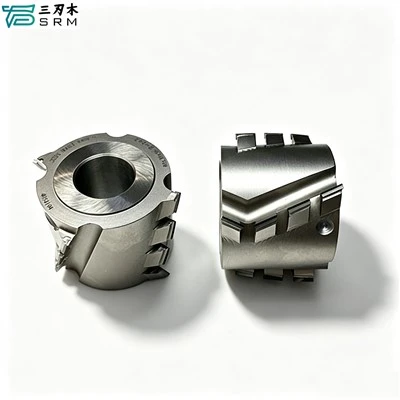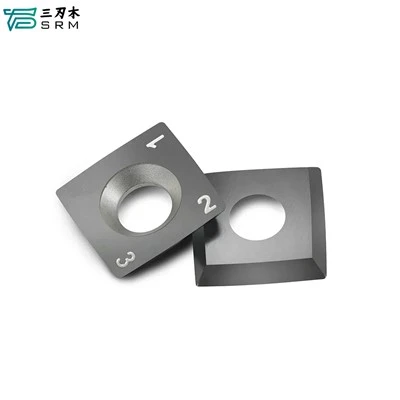


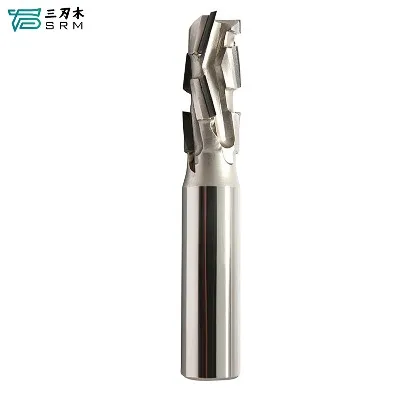




A panel fabricator in Poland cut carbon fiber sheets with a standard solid carbide upcut bit, and the tool went blunt inside thirty minutes. The edges frayed, the layers lifted, and the finished panels needed hand sanding on every side. They switched to a pcd router bit, and the tool lasted twenty times longer with a cleaner edge. That is the usual story on carbon fiber, and it is the reason a pcd router bit is not an upgrade, it is the correct tool for the job. Carbide cuts wood and plastic all day, but carbon fiber is abrasive and it grinds ordinary carbide down before the job is done. This guide explains why the material forces the switch, what to look for, and how to set the cut without delaminating the panel.
Carbon fiber is an abrasive material, and carbide loses
Carbon fiber reinforced polymer is a composite of carbon strands held in resin, and the carbon strands cut like glass against a cutting edge. A standard carbide router bit polishes through the resin fast, then the exposed fibers abrade the flutes, and the edge turns dull while the panel still needs to be finished. The Polish shop I mentioned measured this directly, and the carbide bit lost its edge after about thirty minutes of cutting, while a pcd router bit on the same job kept cutting clean through weeks of production. PCD, polycrystalline diamond, is one of the hardest tool materials made, and it resists the abrasive fibers the way carbide cannot. When you cut carbon fiber, you are not choosing a nicer bit, you are choosing a material that the fibers cannot grind away.
What a pcd router bit gives you that carbide cannot
Tool life is the first thing people notice. A pcd router bit typically runs ten to twenty times longer than carbide on carbon and graphite composites, and that saves the downtime of changing blades in the middle of a run. Then the edges come out cleaner. A sharp diamond edge shears the fibers cleanly instead of tearing them, so the edge does not need the fraying and lift that makes hand sanding necessary. You also get a finish that stays the same from the first panel to the last, because the edge stays sharp, while a dulling carbide bit cuts rougher with every panel. On the cost side it sounds wrong at first, since a pcd router bit costs more up front, but the long life brings the cost per edge down below carbide on production volumes. That is why production shops stop arguing about the price once they run a full batch.
Pick the geometry for the cut, not the cheapest listing
A pcd router bit comes in a few geometries, and the choice depends on the edge you need. An upcut clears chips fast but can lift the top layer. A downcut pushes the fibers down for a clean top but needs chip management on the bottom. A compression bit alternates up and down flutes and gives a clean edge on both faces, and it is the common pick for through cuts on finished panels. The shop that switched measured the edge on all three, and the compression pcd router bit removed the hand sanding stage entirely, which saved more than the bit itself. Tell the supplier whether the panel is cosmetic on one side or both, how thick the material is, and whether you cut through or pocket, and they will match the flute geometry. A bit picked from a generic listing without those details usually comes back wrong on the edge.
Set speed and feed so the panel does not delaminate
Carbon fiber punishes a slow cut, because dragging a dull or slow edge lets the fibers heat and lift instead of shearing. Run the spindle high, typically around eighteen thousand RPM, and keep the feed moving so the edge shears the fibers cleanly rather than rubbing. Take shallow passes on thick panels rather than forcing one deep cut, because a deep bite grabs the laminate and starts the delamination. Use a dust collection hood right at the cutter, because the carbon dust is both a health issue and a heat issue. One customer ran a pcd router bit too slow at the start and got fuzzy edges, and the fix was faster feed and one extra pass, not a sharper tool. Get the speed and feed right, and the pcd router bit will show you what a clean carbon edge actually looks like.
Quick answers on pcd router bits for carbon fiber
Why does carbide fail on carbon fiber? The carbon strands are abrasive and grind ordinary carbide edges dull in minutes. How much longer does a pcd router bit last? Typically ten to twenty times longer than carbide on carbon and graphite. Which flute geometry should I use? Compression for a clean edge on both faces, downcut for a clean top, upcut for chip clearance. What spindle speed works? Around eighteen thousand RPM, with a steady feed that shears rather than drags. Why are my edges fuzzy? Usually feed too slow, a dull bit, or missing dust collection. Are pcd router bits worth the price? On production volumes, yes, the long life and clean edge beat carbide on cost per part.
Send us the panel details, get a pcd router bit that cuts clean
A pcd router bit only shows its value when the geometry, speed, and feed match the actual carbon panel you run, and that starts with the details you send. Tell us the panel thickness, whether the surface is cosmetic on one side or both, how many panels per run, and the spindle speed your machine holds, and our engineers will match the pcd router bit flute geometry to the cut. Our diamond router bit line is built for carbon, graphite, and abrasive composites, and our diamond circular saw blades cover the sheet splitting steps that go before the routing. Send your project details through our contact page, and we will quote a pcd router bit that cuts your panels clean and lasts the run.