






When it comes to the world of woodworking and precision machining, spiral down cut bits are a tool that has gained significant attention. As a supplier of spiral down cut bits, I often encounter questions from customers regarding their safety. In this blog, I will delve into the safety aspects of using spiral down cut bits, exploring both the potential risks and the measures to ensure a safe working environment.
Understanding Spiral Down Cut Bits
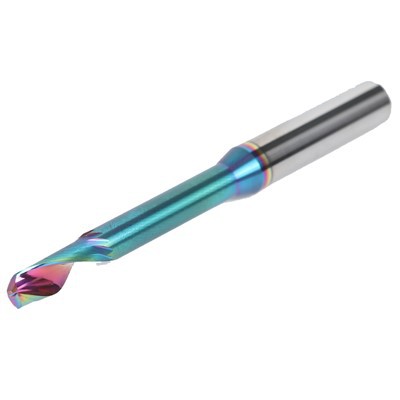
Before discussing safety, it's essential to understand what spiral down cut bits are and how they function. Spiral down cut bits are designed with a helix that rotates in a direction that forces the chips and debris downward. This feature is particularly useful in applications where a clean, smooth finish is required on the top surface of the workpiece. They are commonly used in materials such as wood, plastic, and composite materials, and can be found in various industries, including cabinetry, furniture making, and sign making.
Potential Risks
Like any power tool accessory, spiral down cut bits carry certain risks if not used correctly. One of the primary concerns is the potential for kickback. Kickback occurs when the bit catches on the workpiece and is suddenly thrown back towards the operator. This can happen if the bit is dull, the feed rate is too fast, or if the workpiece is not properly secured. Kickback can cause serious injuries, including cuts, bruises, and even broken bones.
Another risk associated with spiral down cut bits is the generation of dust and debris. When the bit cuts through the material, it produces fine particles that can be inhaled by the operator. Prolonged exposure to these dust particles can lead to respiratory problems, such as asthma and lung cancer. Additionally, the dust can accumulate on the work surface and in the air, creating a fire hazard.
Safety Measures
To mitigate these risks, it's crucial to follow proper safety procedures when using spiral down cut bits. Here are some key safety measures to keep in mind:
- Wear Personal Protective Equipment (PPE): Always wear safety glasses to protect your eyes from flying debris. A dust mask or respirator is also recommended to prevent inhalation of dust particles. Additionally, wear hearing protection if the operation is noisy.
- Inspect the Bit: Before using a spiral down cut bit, inspect it for any signs of damage or wear. A dull or damaged bit is more likely to cause kickback and produce poor-quality cuts. Replace the bit if it shows any signs of wear or damage.
- Secure the Workpiece: Ensure that the workpiece is firmly secured to the work surface using clamps or a vise. This will prevent the workpiece from moving during the cutting process, reducing the risk of kickback.
- Use the Correct Feed Rate: The feed rate refers to the speed at which the workpiece is moved through the bit. Using the correct feed rate is essential for achieving a clean, smooth cut and preventing kickback. Refer to the manufacturer's recommendations for the appropriate feed rate for your specific bit and material.
- Maintain a Clean Work Area: Regularly clean the work area to remove dust and debris. Use a vacuum cleaner or compressed air to remove dust from the work surface and the surrounding area. This will reduce the risk of fire and improve visibility.
- Follow the Manufacturer's Instructions: Always follow the manufacturer's instructions when using spiral down cut bits. This includes proper installation, operation, and maintenance of the bit.
Comparing with Other Router Bits
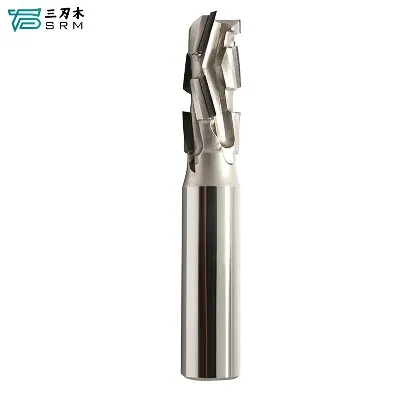
It's also worth comparing spiral down cut bits with other types of router bits to understand their unique safety features. For example, Ball Nose Router Bit are designed with a rounded tip, which is ideal for creating curved and contoured surfaces. While they are generally safe to use, they may produce more dust and debris compared to spiral down cut bits. Acrylic Router Bits are specifically designed for cutting acrylic materials. They are typically used at high speeds and require careful handling to prevent cracking or chipping of the material. Tapered Ball Nose Bit are similar to ball nose router bits but have a tapered shape, which allows for more precise cutting. Like other router bits, they require proper safety precautions to ensure safe operation.
Industry Standards and Regulations
In addition to following safety procedures, it's important to be aware of industry standards and regulations regarding the use of spiral down cut bits. These standards and regulations are designed to ensure the safety of operators and the quality of the work. For example, the Occupational Safety and Health Administration (OSHA) in the United States has specific regulations regarding the use of power tools and the protection of workers from dust and other hazards. Make sure to comply with these regulations to avoid potential fines and legal issues.


Conclusion
In conclusion, spiral down cut bits can be a safe and effective tool when used correctly. By understanding the potential risks and following proper safety procedures, operators can minimize the chances of accidents and injuries. As a supplier of spiral down cut bits, I am committed to providing high-quality products and ensuring the safety of our customers. If you have any questions or need further information about the safety of spiral down cut bits, please feel free to contact us. We are here to help you make informed decisions and ensure a successful woodworking or machining project.
If you are interested in purchasing spiral down cut bits or other router bits, such as Ball Nose Router Bit, Acrylic Router Bits, or Tapered Ball Nose Bit, please don't hesitate to reach out to us. We offer a wide range of high-quality router bits at competitive prices. Contact us today to discuss your specific requirements and start your next project with confidence.
References
- OSHA. (n.d.). Power Tools. Retrieved from [OSHA Website]
- Woodworking Magazine. (n.d.). Safety Tips for Using Router Bits. Retrieved from [Woodworking Magazine Website]