






Hey there! As a supplier of trimming cutterheads, I often get asked about the torque requirements for these nifty tools. So, I thought I'd take a few minutes to break it down for you.
First off, let's talk about what torque is. In simple terms, torque is the force that causes an object to rotate. When it comes to trimming cutterheads, torque is crucial because it determines how effectively the cutterhead can cut through materials. If the torque is too low, the cutterhead might struggle to make clean cuts, leading to rough edges and uneven surfaces. On the other hand, if the torque is too high, it could put unnecessary stress on the cutterhead and the machine it's attached to, potentially causing damage.
The torque requirement for a trimming cutterhead depends on several factors. One of the most important factors is the type of material you're cutting. Different materials have different levels of hardness and density, which means they require different amounts of torque to cut through. For example, cutting through softwood like pine is going to require less torque than cutting through hardwood like oak. Metals and plastics also have their own unique torque requirements, so it's important to know what you're working with before you choose a cutterhead.
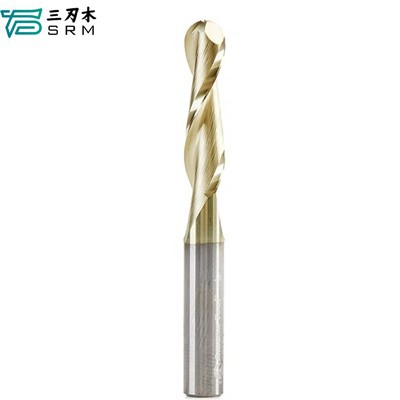
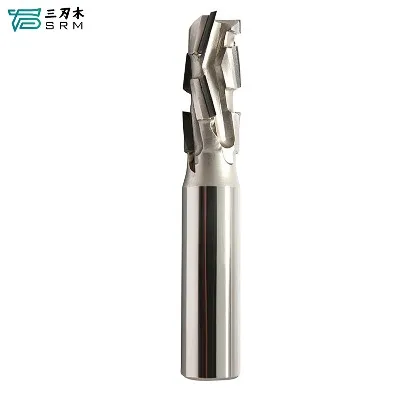
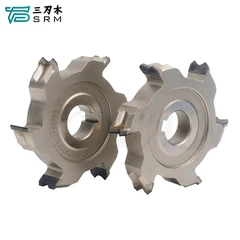
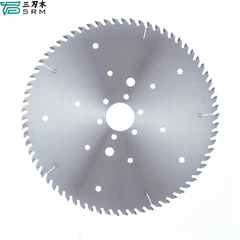
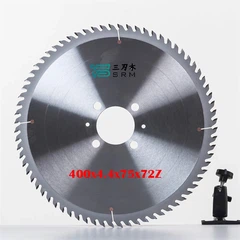
Another factor that affects torque requirements is the size and design of the cutterhead. Larger cutterheads generally require more torque because they have a greater surface area in contact with the material. The number and arrangement of the cutting edges also play a role. A cutterhead with more cutting edges might require less torque per edge, but the overall torque requirement could still be higher due to the increased number of edges. For instance, a Spiral Cutterhead has a unique design that distributes the cutting load more evenly, which can sometimes reduce the overall torque requirement compared to a traditional cutterhead.
The speed at which the cutterhead rotates is also a key factor. Higher rotational speeds can sometimes compensate for lower torque, but there's a limit to how much speed can make up for a lack of torque. If you try to run a cutterhead at a high speed with insufficient torque, you might end up with a burnt or damaged cutterhead, not to mention a poor-quality cut.
Let's take a closer look at some specific applications and their torque requirements. If you're using a cutterhead for rabbeting, which is the process of cutting a groove or recess along the edge of a workpiece, you'll need to consider the depth and width of the rabbet. Deeper and wider rabbets will require more torque because you're removing more material. Cutter Heads for Rabbeting are designed to handle these types of cuts efficiently, but you still need to make sure your machine can provide the necessary torque.
Edge profiling is another common application. This involves shaping the edges of a workpiece to create a decorative or functional profile. Adjustable Edge Profiling Sets are great for this because they allow you to customize the profile. However, depending on the complexity of the profile and the material you're working with, you'll need to ensure that your cutterhead has enough torque to make the cuts smoothly.
So, how do you determine the right torque requirement for your trimming cutterhead? The first step is to consult the manufacturer's specifications. They usually provide recommended torque ranges based on the cutterhead's size, design, and intended applications. You can also look at the power rating of your machine. The machine's motor should be able to provide enough power to generate the required torque. If you're unsure, it's always a good idea to consult with an expert or someone with experience in the industry.


It's also important to note that maintaining the right torque is not just about choosing the right cutterhead and machine. Regular maintenance of both the cutterhead and the machine is crucial. A dull cutterhead will require more torque to make the same cuts, so make sure to keep your cutterheads sharp. Check the machine's motor and drive system regularly to ensure they're in good working condition. Loose belts, worn gears, or other mechanical issues can all affect the torque output.
In conclusion, understanding the torque requirement for a trimming cutterhead is essential for achieving high-quality cuts and prolonging the life of your equipment. By considering factors like the material, cutterhead size and design, rotational speed, and application, you can make an informed decision when choosing a cutterhead. And if you're in the market for a trimming cutterhead, we're here to help. We offer a wide range of cutterheads suitable for various applications, and our team of experts can assist you in finding the perfect cutterhead for your needs. Whether you're a professional woodworker, a metal fabricator, or someone who just enjoys DIY projects, we've got you covered. So, if you're interested in learning more or making a purchase, don't hesitate to reach out and start a conversation. We're looking forward to working with you!
References
- Woodworking Machinery Handbook
- Metal Cutting Principles and Applications
- Plastics Processing Technology Guides