





As a supplier of grooving saw blades, I often encounter a common question from customers: Can a grooving saw blade be sharpened? In this blog post, I'll delve into this topic, exploring the feasibility, methods, and considerations of sharpening grooving saw blades.
Understanding Grooving Saw Blades
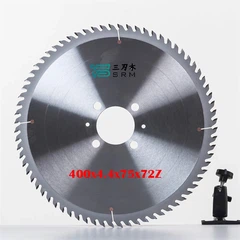
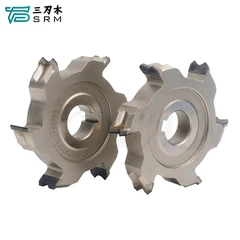
Before we discuss sharpening, it's essential to understand what grooving saw blades are and how they function. Grooving saw blades are specialized cutting tools designed to create grooves or slots in various materials, such as wood, metal, and plastic. They typically have a unique tooth geometry and a specific number of teeth per inch (TPI) to ensure precise and efficient cutting.
The performance of a grooving saw blade depends on several factors, including the quality of the blade material, the tooth design, and the sharpness of the teeth. Over time, as the blade is used, the teeth will gradually wear down, resulting in reduced cutting performance, increased cutting forces, and poor-quality cuts. This is when the question of sharpening comes into play.
Can Grooving Saw Blades Be Sharpened?
The short answer is yes, grooving saw blades can be sharpened. However, whether or not it's worth sharpening depends on several factors, such as the type of blade, the extent of wear, and the cost of sharpening.
Types of Grooving Saw Blades
There are different types of grooving saw blades, each with its own characteristics and sharpening requirements. For example, high-speed steel (HSS) grooving saw blades are relatively easy to sharpen and can be sharpened multiple times. Carbide-tipped grooving saw blades, on the other hand, are more difficult to sharpen due to the hardness of the carbide tips. They may require specialized sharpening equipment and expertise.
Extent of Wear
The extent of wear on the saw blade is another crucial factor to consider. If the blade is only slightly worn, sharpening can restore its cutting performance and extend its lifespan. However, if the blade is severely worn, with missing or chipped teeth, sharpening may not be sufficient, and the blade may need to be replaced.
Cost of Sharpening
Sharpening a grooving saw blade can be costly, especially if it requires specialized equipment or expertise. In some cases, the cost of sharpening may be close to or even higher than the cost of a new blade. Therefore, it's important to weigh the cost of sharpening against the cost of a new blade and determine whether sharpening is a cost-effective solution.
Methods of Sharpening Grooving Saw Blades
There are several methods of sharpening grooving saw blades, each with its own advantages and disadvantages. Here are some common methods:
Hand Sharpening
Hand sharpening is a traditional method of sharpening saw blades. It involves using a file or a sharpening stone to manually sharpen the teeth of the blade. Hand sharpening requires skill and patience, but it can be a cost-effective way to sharpen small or simple saw blades. However, it may not be suitable for large or complex grooving saw blades.
Machine Sharpening
Machine sharpening is a more efficient and precise method of sharpening saw blades. It involves using a specialized sharpening machine to automatically sharpen the teeth of the blade. Machine sharpening can be used to sharpen a wide range of saw blades, including grooving saw blades. It offers consistent results and can be completed in a relatively short time. However, machine sharpening requires specialized equipment and expertise, and it can be more expensive than hand sharpening.
Professional Sharpening Services
If you don't have the skills or equipment to sharpen your grooving saw blades, you can consider using a professional sharpening service. Professional sharpening services have the expertise and equipment to sharpen a wide range of saw blades, including grooving saw blades. They can ensure that the blades are sharpened to the correct specifications and that the cutting performance is restored. However, professional sharpening services can be expensive, and you may need to wait for the blades to be sharpened.
Considerations When Sharpening Grooving Saw Blades
When sharpening grooving saw blades, there are several considerations to keep in mind to ensure the best results:
Safety First
Sharpening saw blades can be dangerous, so it's important to take appropriate safety precautions. Wear protective gear, such as safety glasses and gloves, and follow the manufacturer's instructions when using sharpening equipment.
Correct Sharpening Angle
The sharpening angle of the saw blade is crucial for its cutting performance. Make sure to use the correct sharpening angle for your grooving saw blade. The sharpening angle may vary depending on the type of blade and the material it's used to cut.
Consistent Sharpening
To ensure consistent cutting performance, it's important to sharpen all the teeth of the saw blade to the same angle and length. Use a sharpening guide or a jig to help you maintain a consistent sharpening angle.


Inspection After Sharpening
After sharpening the saw blade, inspect it carefully to ensure that all the teeth are sharp and that there are no defects or damage. You can also test the blade on a scrap piece of material to check its cutting performance.
Other Products in Our Range
In addition to grooving saw blades, we also offer a wide range of other circular wood saw products, such as Hogging Cutter for Double End Tenoner, Trimming Saw Blade, and Diamond Blade for Circular Saw. These products are designed to meet the diverse needs of our customers and provide high-quality cutting solutions.
Conclusion
In conclusion, grooving saw blades can be sharpened, but whether or not it's worth sharpening depends on several factors. If the blade is only slightly worn and the cost of sharpening is reasonable, sharpening can be a cost-effective way to extend the lifespan of the blade. However, if the blade is severely worn or the cost of sharpening is too high, it may be more cost-effective to replace the blade.
If you have any questions about sharpening grooving saw blades or if you're interested in our products, please feel free to contact us. We'll be happy to provide you with more information and assist you with your purchasing decision.
References
- "Saw Blade Sharpening: A Comprehensive Guide." Woodworking Magazine.
- "How to Sharpen Circular Saw Blades." DIY Network.
- "The Art of Saw Blade Sharpening." Popular Mechanics.


