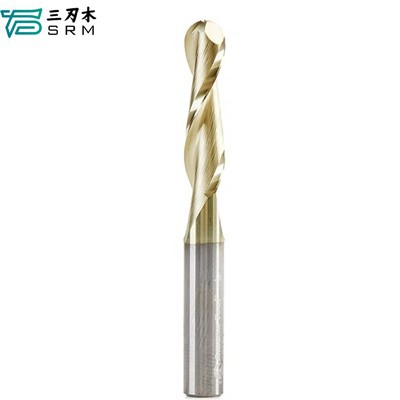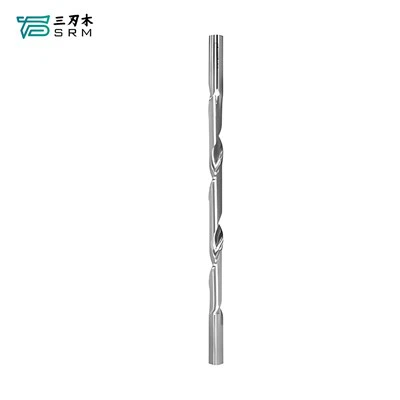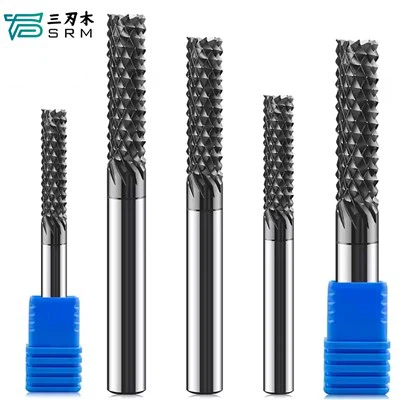


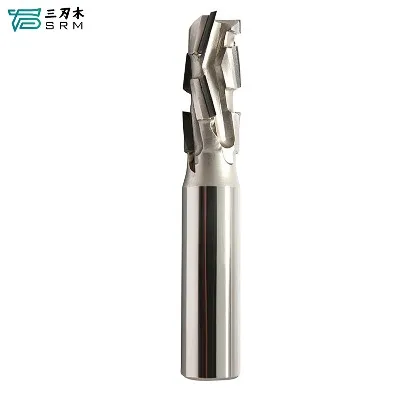





As a supplier of Aluminum Router Bits, I've witnessed firsthand the challenges that come with ensuring efficient chip evacuation during the machining process. In the world of aluminum routing, poor chip evacuation can lead to a host of issues, including tool wear, surface finish problems, and reduced productivity. In this blog post, I'll share some practical tips and insights on how to improve the chip evacuation of an aluminum router bit.
Understanding the Importance of Chip Evacuation
Before delving into the solutions, it's crucial to understand why chip evacuation is so important. When a router bit cuts through aluminum, it generates chips. If these chips are not removed from the cutting area quickly and efficiently, they can accumulate and cause several problems.
Firstly, accumulated chips can increase the cutting forces, leading to excessive tool wear. This not only shortens the lifespan of the router bit but also results in higher tooling costs. Secondly, chips can cause poor surface finish on the workpiece. As the chips rub against the newly machined surface, they can leave behind scratches and marks, compromising the quality of the final product. Finally, inefficient chip evacuation can slow down the machining process, reducing productivity and increasing production time.
Selecting the Right Router Bit
The choice of router bit plays a significant role in chip evacuation. When selecting a router bit for aluminum routing, consider the following factors:
Helix Angle
The helix angle of a router bit determines the direction and speed at which the chips are removed from the cutting area. A higher helix angle generally results in better chip evacuation. For aluminum routing, router bits with a helix angle of 30 to 45 degrees are commonly used. These angles allow the chips to be quickly and smoothly ejected from the cutting zone, reducing the risk of chip accumulation.
Flute Design
The flute design of a router bit also affects chip evacuation. Bits with multiple flutes can remove chips more efficiently than those with fewer flutes. Additionally, some router bits feature special flute designs, such as variable helix or variable pitch flutes, which can further enhance chip evacuation. These designs help to break up the chips and prevent them from clogging the flutes.
Coating
Router bits with a high-quality coating can also improve chip evacuation. Coatings such as titanium nitride (TiN), titanium aluminum nitride (TiAlN), and diamond-like carbon (DLC) can reduce friction between the bit and the chips, allowing the chips to slide more easily along the flutes. This results in better chip evacuation and less tool wear.
For example, our Acrylic Router Bits are designed with a high helix angle and a special flute design to ensure efficient chip evacuation. These bits are also coated with a high-performance coating to reduce friction and improve tool life.
Optimizing Cutting Parameters
In addition to selecting the right router bit, optimizing the cutting parameters can also improve chip evacuation. The following cutting parameters should be carefully considered:
Feed Rate
The feed rate refers to the speed at which the workpiece is fed into the router bit. A higher feed rate can help to break up the chips and prevent them from clogging the flutes. However, if the feed rate is too high, it can cause excessive tool wear and poor surface finish. Therefore, it's important to find the right balance. As a general rule, start with a conservative feed rate and gradually increase it until you achieve optimal chip evacuation and surface finish.
Spindle Speed
The spindle speed refers to the rotational speed of the router bit. A higher spindle speed can increase the cutting efficiency and improve chip evacuation. However, if the spindle speed is too high, it can cause the bit to overheat and wear out quickly. When routing aluminum, the spindle speed should be adjusted based on the diameter of the router bit and the type of aluminum being machined.
Depth of Cut
The depth of cut refers to the amount of material removed in a single pass. A smaller depth of cut can result in better chip evacuation, as the chips are smaller and easier to remove. However, if the depth of cut is too small, it can increase the number of passes required to complete the machining process, reducing productivity. Therefore, it's important to find the right balance between depth of cut and chip evacuation.
Using Coolants and Lubricants
Coolants and lubricants can also play a crucial role in chip evacuation. When used correctly, they can reduce friction, lower the temperature of the cutting area, and help to flush the chips away from the cutting zone.


Coolants
Coolants are typically used to reduce the temperature of the cutting area and prevent the router bit from overheating. They can also help to break up the chips and improve chip evacuation. There are several types of coolants available, including water-based coolants, oil-based coolants, and synthetic coolants. When choosing a coolant for aluminum routing, consider the type of router bit being used and the specific requirements of the machining process.
Lubricants
Lubricants are used to reduce friction between the router bit and the workpiece. They can also help to prevent the chips from sticking to the bit and improve chip evacuation. Lubricants can be applied directly to the workpiece or the router bit. Some common types of lubricants used in aluminum routing include cutting oils, waxes, and sprays.
Proper Machine Setup and Maintenance
Proper machine setup and maintenance are essential for ensuring efficient chip evacuation. The following steps should be taken:
Machine Alignment
The router machine should be properly aligned to ensure that the router bit is cutting straight and true. Misaligned machines can cause the bit to cut at an angle, resulting in poor chip evacuation and uneven surface finish. Regularly check and adjust the alignment of the machine to ensure optimal performance.
Chip Collection System
A good chip collection system is essential for removing the chips from the cutting area. Make sure that the chip collection system is properly installed and functioning correctly. Regularly clean the chip collection system to prevent the chips from clogging the system and reducing its efficiency.
Tool Maintenance
Regular tool maintenance is also important for ensuring efficient chip evacuation. Keep the router bits clean and sharp. Dull or dirty bits can cause poor chip evacuation and increase the risk of tool wear. Replace the router bits when they become worn or damaged.
Conclusion
Improving the chip evacuation of an aluminum router bit is essential for achieving optimal machining performance. By selecting the right router bit, optimizing the cutting parameters, using coolants and lubricants, and ensuring proper machine setup and maintenance, you can significantly improve chip evacuation and reduce the risk of chip accumulation.
As a supplier of Aluminum Router Bits, we are committed to providing high-quality products and expert advice to our customers. If you have any questions or need further assistance with improving chip evacuation in your aluminum routing process, please don't hesitate to contact us. We would be happy to discuss your specific requirements and help you find the best solutions for your needs.
References
- "Machining Aluminum: Best Practices and Tips" - Industry Insights Magazine
- "Router Bit Selection Guide for Aluminum Routing" - Cutting Tools Journal
- "Optimizing Chip Evacuation in CNC Machining" - Manufacturing Technology Review