



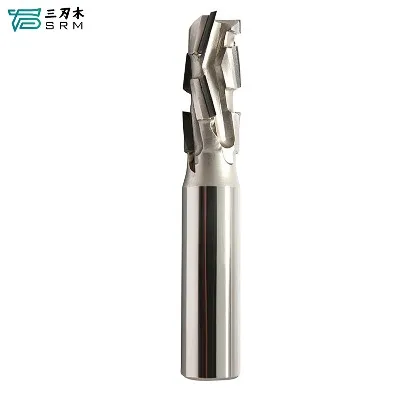

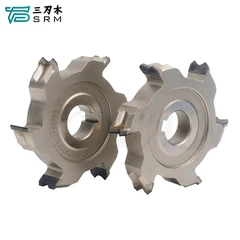






Hey there, woodworking enthusiasts! As a supplier of Lock Hole Router Bits, I get asked a ton of questions about their performance, especially on different types of wood. One question that pops up time and time again is, "Do lock hole router bits work well on softwood?" Today, I'm gonna dive deep into this topic and give you the lowdown.
First off, let's talk about what softwood actually is. Softwood comes from coniferous trees like pine, cedar, and fir. These woods are generally lighter in weight, have a looser grain structure, and are often used in construction, furniture making, and DIY projects because they're relatively easy to work with and cost-effective.
Now, onto the star of the show – lock hole router bits. These bits are designed to create the perfect hole for installing locks, latches, and other hardware in wood. They come in different sizes and shapes, depending on the type of lock you're using. The main idea behind a lock hole router bit is to make a clean, precise cut that fits the lock perfectly, with minimal effort on your part.
So, how do they work on softwood? Well, in most cases, lock hole router bits work like a charm on softwood. The loose grain structure of softwood means that the bit can cut through it more easily compared to hardwood. This results in a faster and smoother cutting process, which is great news for both professional woodworkers and DIYers.
One of the key benefits of using lock hole router bits on softwood is the reduced risk of tear-out. Tear-out is when the wood fibers break away from the surface during cutting, leaving a rough and uneven edge. Softwood's looser grain structure is less prone to tear-out, so you'll end up with a cleaner, more professional-looking finish. This is especially important when you're working on a project where appearance matters, like a high-end piece of furniture or a custom cabinet.
Another advantage is the ease of use. Because softwood is easier to cut through, you don't have to apply as much pressure when using the router. This makes the process less physically demanding and reduces the risk of mistakes. Even if you're a beginner, you'll find that lock hole router bits are relatively forgiving on softwood.
However, it's not all sunshine and rainbows. There are a few challenges you might face when using lock hole router bits on softwood. One of the biggest issues is the potential for the bit to wander or veer off course. Softwood's looser grain structure can sometimes cause the bit to follow the grain, rather than cutting straight through it. This can result in an uneven hole, which can be a problem if you need a precise fit for your lock.
To avoid this, it's important to use a sharp bit and a steady hand. Make sure the bit is properly aligned with the center of the hole before you start cutting, and apply light, even pressure as you guide the router. You might also want to use a template or a guide to help keep the bit on track.
Another challenge is the possibility of the bit dulling more quickly on softwood. Because softwood contains resin and other substances, it can build up on the bit during cutting, causing it to lose its sharpness. To prevent this, it's a good idea to clean the bit regularly and use a lubricant to reduce friction. You might also want to invest in high-quality bits that are designed to resist dulling.
Now, let's talk about some tips and tricks for getting the best results when using lock hole router bits on softwood. First of all, make sure you're using the right bit for the job. Different types of locks require different sizes and shapes of holes, so choose a bit that's specifically designed for the lock you're installing. You can also check out our website for more information on Carving Letters In Wood, which might give you some inspiration for other woodworking projects.


Before you start cutting, it's a good idea to practice on a scrap piece of softwood. This will help you get a feel for the router and the bit, and allow you to make any necessary adjustments before you start working on your actual project. You can also use this opportunity to test different cutting speeds and depths to see what works best for your particular piece of wood.
When you're ready to start cutting, make sure the wood is securely clamped to your work surface. This will prevent it from moving or shifting during the cutting process, which can result in an uneven hole. You might also want to use a dust collection system to keep your work area clean and reduce the risk of inhaling sawdust.
Once you've made the initial cut, you can use a chisel or a sandpaper to clean up the edges of the hole and remove any rough spots. This will help ensure a perfect fit for your lock and give your project a professional finish.
In addition to lock hole router bits, we also offer a wide range of other router bits, including Acrylic Router Bits and O Flute Router Bit. These bits are designed for different types of materials and applications, so you're sure to find the right one for your project.
In conclusion, lock hole router bits can work very well on softwood, but there are a few things you need to keep in mind. By using a sharp bit, applying the right amount of pressure, and taking the time to practice and prepare, you can achieve great results and create a professional-looking project. If you have any questions or need more information about our lock hole router bits or other products, don't hesitate to get in touch. We're here to help you make the most of your woodworking projects.
References
- Woodworking for Dummies, by Jeff Strong
- The Complete Router Book, by Chris Schwarz


