







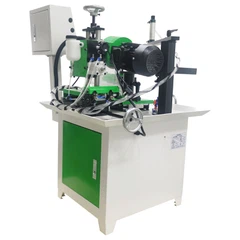

Hey there! As a supplier of trimming cutterheads, I often get asked a bunch of questions about what these nifty tools can and can't do. One question that pops up quite a bit is, "Can a trimming cutterhead be used for felt cutting?" Well, let's dive right into it and find out.
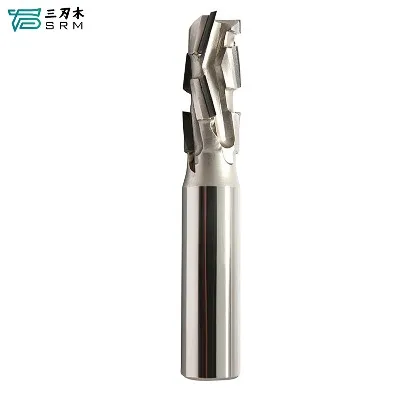
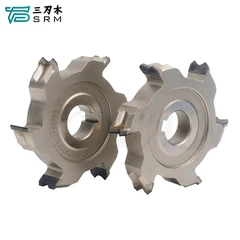
First off, let's talk a bit about what a trimming cutterhead is. A trimming cutterhead is a key component in many cutting and machining operations. It's designed to handle a variety of materials, from wood to plastics, and it comes in different shapes and sizes to suit different needs. We offer a wide range of cutterheads, like the Disposable Carbide Blade Tenon Milling Cutter and Cutter Heads for Rabbeting, each with its own unique features and applications.
Now, onto felt. Felt is a unique material. It's made by matting, condensing, and pressing fibers together, usually wool, but it can also be made from synthetic fibers. Felt has a soft, dense texture, and it's used in a ton of different products, from fashion items like hats and scarves to industrial applications like gaskets and insulation.
So, can a trimming cutterhead cut felt? The short answer is, it depends. There are a few factors we need to consider.
Blade Type
The type of blade on the trimming cutterhead is super important. For felt cutting, you'll want a blade that can make clean, precise cuts without fraying the edges. Carbide blades, like those on our Disposable Carbide Blade Tenon Milling Cutter, are a great option. They're sharp, durable, and can hold their edge well, which is crucial for cutting through the dense fibers of felt.
Cutterhead Design
The design of the cutterhead also plays a role. Some cutterheads are designed for high-speed cutting, while others are better for more delicate work. For felt, a cutterhead with a slower speed and a more precise cutting action might be better. Our Spiral Cutterhead is a good example. Its spiral design allows for a smoother, more controlled cut, which can be ideal for felt.


Felt Thickness and Density
The thickness and density of the felt matter too. Thicker and denser felts will require a more powerful cutterhead and a sharper blade. If you're dealing with a thin, lightweight felt, a smaller, less powerful cutterhead might do the trick. But for thicker felts, you'll need something with a bit more oomph.
Advantages of Using a Trimming Cutterhead for Felt Cutting
If you can find the right combination of blade type, cutterhead design, and adjust for the felt's characteristics, there are some real advantages to using a trimming cutterhead for felt cutting.
- Precision: Trimming cutterheads can make very precise cuts, which is great for creating intricate shapes and patterns in felt. Whether you're making a small craft item or a large industrial part, precision is key.
- Efficiency: Once you've set up the cutterhead correctly, it can cut through felt quickly and efficiently. This can save you a lot of time, especially if you're working on a large project.
- Consistency: A trimming cutterhead can produce consistent cuts every time. This is important if you're making multiple pieces that need to be the same size and shape.
Challenges of Using a Trimming Cutterhead for Felt Cutting
Of course, there are also some challenges.
- Fraying: Felt has a tendency to fray, especially if the cutterhead isn't cutting cleanly. This can be a problem, especially if you're looking for a neat, finished edge. To minimize fraying, you'll need to make sure the blade is sharp and the cutterhead is adjusted correctly.
- Static Electricity: Felt can generate static electricity when it's cut, which can cause the fibers to stick to the blade and the cutterhead. This can affect the cutting performance and make cleanup a hassle. You might need to use an anti-static spray or other measures to deal with this issue.
Tips for Using a Trimming Cutterhead to Cut Felt
If you decide to give it a go and use a trimming cutterhead for felt cutting, here are some tips to help you out.
- Choose the Right Blade: As I mentioned earlier, a carbide blade is a good choice. Make sure it's sharp and in good condition before you start cutting.
- Adjust the Speed: Set the cutterhead to a speed that's appropriate for the thickness and density of the felt. A slower speed might be better for more precise cuts and to reduce fraying.
- Test on a Scrap Piece: Before you start cutting your main piece of felt, test the cutterhead on a scrap piece. This will allow you to adjust the settings and make sure you're getting the results you want.
- Clean the Cutterhead Regularly: To prevent the buildup of felt fibers and static electricity, clean the cutterhead regularly during the cutting process.
In conclusion, a trimming cutterhead can be used for felt cutting, but it's not a one-size-fits-all solution. You need to take into account the blade type, cutterhead design, and the characteristics of the felt itself. With the right setup and some experimentation, you can achieve great results.
If you're interested in learning more about our trimming cutterheads or have any questions about using them for felt cutting or other applications, don't hesitate to reach out. We're here to help you find the best cutterhead for your needs and provide you with all the support you need. Whether you're a small business owner, a hobbyist, or an industrial manufacturer, we've got the products and expertise to make your cutting projects a success. So, let's start a conversation and see how we can work together!
References
- General knowledge about trimming cutterheads and felt materials.
- Product specifications and features of our cutterheads, including Disposable Carbide Blade Tenon Milling Cutter, Cutter Heads for Rabbeting, and Spiral Cutterhead.


