








In the realm of machining and cutting tools, understanding the nuances between different types of bits is crucial for achieving optimal results. As a dedicated supplier of Compression Bits, I've witnessed firsthand the transformative impact these specialized tools can have on various cutting operations. In this blog post, I'll delve into the key differences between compression bits and normal bits, exploring their unique features, applications, and benefits.
What Are Normal Bits?
Before we dive into the specifics of compression bits, let's first establish what we mean by "normal bits." Normal bits, also known as standard bits, are the most commonly used cutting tools in machining and woodworking. They come in a wide variety of shapes and sizes, each designed for a specific purpose. Some of the most common types of normal bits include end mills, drill bits, and router bits.
End mills are used for milling operations, such as shaping, profiling, and slotting. They typically have a flat or rounded end and are available in a range of diameters and lengths. Drill bits, on the other hand, are used for creating holes in various materials, including wood, metal, and plastic. They come in different sizes and shapes, depending on the type of hole being drilled.
Router bits are another type of normal bit that is widely used in woodworking. They are used for creating decorative edges, joints, and profiles in wood. Router bits come in a variety of shapes and sizes, including straight bits, flush trim bits, and dovetail bits.
What Are Compression Bits?
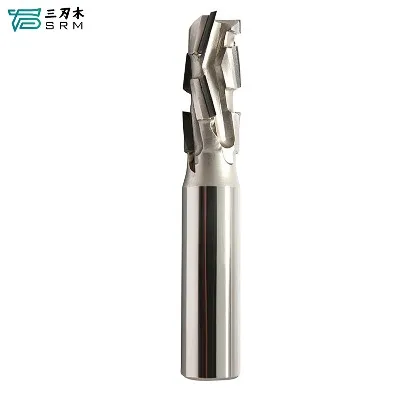
Compression bits are a specialized type of cutting tool that is designed to overcome some of the limitations of normal bits. Unlike normal bits, which typically cut in one direction, compression bits cut in both an upward and downward direction simultaneously. This unique cutting action helps to prevent tear-out and splintering on both the top and bottom surfaces of the material being cut.
Compression bits are commonly used in applications where a clean, precise cut is required, such as in the production of cabinetry, furniture, and signage. They are also ideal for cutting materials that are prone to tear-out, such as veneered plywood, melamine, and laminates.
Key Differences Between Compression Bits and Normal Bits
Now that we have a basic understanding of what normal bits and compression bits are, let's take a closer look at the key differences between the two.
Cutting Action
The most significant difference between compression bits and normal bits is their cutting action. Normal bits typically cut in one direction, either upward or downward. This can result in tear-out and splintering on the surface of the material being cut, especially when cutting materials that are prone to tear-out.
Compression bits, on the other hand, cut in both an upward and downward direction simultaneously. This unique cutting action helps to prevent tear-out and splintering on both the top and bottom surfaces of the material being cut, resulting in a clean, precise cut.
Surface Finish
Another key difference between compression bits and normal bits is the surface finish they produce. Normal bits can leave a rough, uneven surface finish on the material being cut, especially when cutting materials that are prone to tear-out. This can require additional sanding and finishing to achieve a smooth, professional-looking surface.
Compression bits, on the other hand, produce a clean, smooth surface finish on both the top and bottom surfaces of the material being cut. This eliminates the need for additional sanding and finishing, saving time and money in the production process.
Tool Life
Tool life is another important consideration when choosing between compression bits and normal bits. Normal bits can wear out quickly, especially when cutting hard or abrasive materials. This can result in frequent tool changes, which can increase production costs and downtime.
Compression bits, on the other hand, are designed to last longer than normal bits. Their unique cutting action helps to reduce wear and tear on the tool, resulting in a longer tool life. This can help to reduce production costs and downtime by minimizing the need for frequent tool changes.
Applications
Compression bits and normal bits are suitable for different applications. Normal bits are typically used in applications where a rough, uneven surface finish is acceptable, such as in the production of rough lumber and framing. They are also suitable for applications where tear-out and splintering are not a concern, such as in the production of solid wood furniture.
Compression bits, on the other hand, are ideal for applications where a clean, precise cut is required, such as in the production of cabinetry, furniture, and signage. They are also suitable for cutting materials that are prone to tear-out, such as veneered plywood, melamine, and laminates.
Benefits of Using Compression Bits
There are several benefits to using compression bits in your machining and woodworking operations. Some of the key benefits include:
Clean, Precise Cuts
Compression bits are designed to produce a clean, precise cut on both the top and bottom surfaces of the material being cut. This helps to eliminate tear-out and splintering, resulting in a professional-looking finish.
Reduced Sanding and Finishing
Because compression bits produce a clean, smooth surface finish, there is less need for additional sanding and finishing. This can save time and money in the production process.
Longer Tool Life
Compression bits are designed to last longer than normal bits. Their unique cutting action helps to reduce wear and tear on the tool, resulting in a longer tool life. This can help to reduce production costs and downtime by minimizing the need for frequent tool changes.
Versatility
Compression bits are suitable for a wide range of applications, including cutting materials that are prone to tear-out, such as veneered plywood, melamine, and laminates. They are also suitable for cutting a variety of materials, including wood, plastic, and composites.
Applications of Compression Bits
Compression bits are used in a variety of applications, including:
Cabinetry and Furniture Production
Compression bits are commonly used in the production of cabinetry and furniture. They are ideal for cutting materials such as veneered plywood, melamine, and laminates, which are prone to tear-out. Compression bits help to prevent tear-out and splintering, resulting in a clean, precise cut and a professional-looking finish.
Signage Production
Compression bits are also widely used in the production of signage. They are suitable for cutting a variety of materials, including wood, plastic, and composites. Compression bits help to produce a clean, precise cut, which is essential for creating high-quality signage.
CNC Machining
Compression bits are commonly used in CNC machining operations. They are suitable for cutting a variety of materials, including wood, plastic, and composites. Compression bits help to prevent tear-out and splintering, resulting in a clean, precise cut and a high-quality finished product.
Conclusion
In conclusion, compression bits are a specialized type of cutting tool that offers several advantages over normal bits. Their unique cutting action helps to prevent tear-out and splintering on both the top and bottom surfaces of the material being cut, resulting in a clean, precise cut and a professional-looking finish. Compression bits are also designed to last longer than normal bits, which can help to reduce production costs and downtime.


If you're looking for a cutting tool that can help you achieve a higher level of precision and quality in your machining and woodworking operations, I encourage you to consider using compression bits. As a supplier of Compression Bits, I'm committed to providing high-quality products and excellent customer service. If you have any questions or would like to learn more about our products, please don't hesitate to [contact us for procurement and negotiation].
References
- "Router Bits: A Guide to Types and Uses." Woodworking Network, 2021.
- "Compression Bits: The Secret to Clean Cuts." Fine Woodworking, 2020.
- "How to Choose the Right Router Bit for Your Project." This Old House, 2021.


