



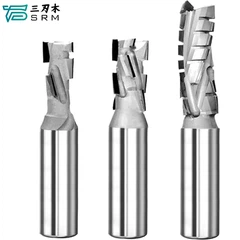
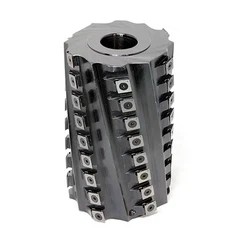
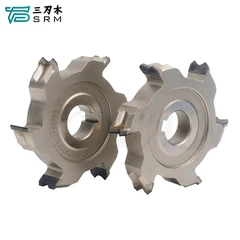
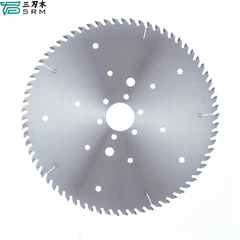

As a seasoned supplier of solid wood saw blades, I've encountered a wide range of issues that customers face when using these essential tools. In this blog post, I'll share some valuable insights on how to troubleshoot common problems with solid wood saw blades, ensuring optimal performance and longevity.
1. Dull Cutting Performance
One of the most common issues with solid wood saw blades is dull cutting performance. A dull saw blade can lead to rough cuts, increased splintering, and excessive heat generation. Here are some steps to troubleshoot this problem:
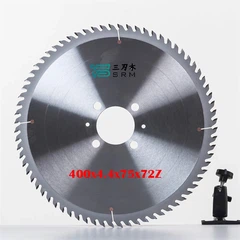
- Inspect the Blade Teeth: Carefully examine the teeth of the saw blade for signs of wear, such as chipping, rounding, or excessive dullness. If the teeth are severely worn, it's time to replace the blade. For less severe wear, you can consider sharpening the blade. However, blade sharpening requires specialized skills and equipment, so it's often best to have it done by a professional.
- Check the Cutting Speed: Incorrect cutting speed can also cause the blade to dull quickly. Make sure you're using the appropriate cutting speed for the type of wood and the saw blade you're using. Refer to the manufacturer's guidelines for recommended cutting speeds. If the cutting speed is too high, it can cause the blade to overheat and wear out faster. On the other hand, if the cutting speed is too low, it can result in inefficient cutting and increased wear on the blade.
- Clean the Blade: A dirty saw blade can also affect its cutting performance. Over time, resin, pitch, and other debris can accumulate on the blade, causing it to become dull and less effective. To clean the blade, use a blade cleaner or a mixture of warm water and mild detergent. Soak the blade in the cleaning solution for a few minutes, then gently scrub it with a soft brush to remove the debris. Rinse the blade thoroughly with water and dry it completely before using it again.
2. Excessive Vibration
Excessive vibration is another common problem that can occur when using a solid wood saw blade. Vibration can cause the blade to wobble, resulting in inaccurate cuts and increased wear on the blade and the saw. Here's how you can troubleshoot this issue:


- Check the Blade Installation: Make sure the saw blade is properly installed on the saw. A loose or misaligned blade can cause excessive vibration. Follow the manufacturer's instructions for installing the blade, and ensure that it is tightened securely. Use a torque wrench to tighten the blade arbor nut to the recommended torque specification.
- Inspect the Arbor and Flanges: The arbor and flanges are the components that hold the saw blade in place on the saw. Check the arbor for any signs of damage or wear, such as cracks or excessive play. Also, inspect the flanges for flatness and cleanliness. If the arbor or flanges are damaged or worn, they may need to be replaced.
- Balance the Blade: An unbalanced saw blade can also cause excessive vibration. To balance the blade, you can use a blade balancer. Place the blade on the balancer and adjust the weights until the blade is balanced. Balancing the blade can help reduce vibration and improve cutting performance.
3. Blade Binding or Jamming
Blade binding or jamming can occur when the saw blade gets stuck in the wood during cutting. This can be a dangerous situation, as it can cause the saw to kick back or the blade to break. Here are some steps to troubleshoot this problem:
- Check the Wood: Make sure the wood you're cutting is free of knots, nails, or other foreign objects that could cause the blade to bind or jam. If you encounter a knot or other obstruction in the wood, stop cutting immediately and remove the obstruction before continuing.
- Adjust the Cutting Depth: Incorrect cutting depth can also cause the blade to bind or jam. Make sure you're using the appropriate cutting depth for the type of wood and the saw blade you're using. Refer to the manufacturer's guidelines for recommended cutting depths. If the cutting depth is too deep, it can cause the blade to bind and overheat. On the other hand, if the cutting depth is too shallow, it can result in inefficient cutting and increased wear on the blade.
- Use a Push Stick: When cutting small or narrow pieces of wood, use a push stick to keep your fingers away from the blade. A push stick can help prevent the wood from getting caught in the blade and causing it to bind or jam.
4. Poor Cut Quality
Poor cut quality can manifest in various ways, such as rough cuts, splintering, or uneven cuts. Here are some steps to troubleshoot this issue:
- Check the Blade Type: Make sure you're using the appropriate type of saw blade for the type of wood and the cutting task you're performing. Different types of saw blades are designed for different applications, such as crosscutting, ripping, or mitering. For example, a Scoring Saw Blade is ideal for making clean, precise cuts in veneered plywood, while a Trimming Saw Blade is better suited for trimming and finishing work.
- Inspect the Blade Teeth: As mentioned earlier, worn or damaged blade teeth can affect the cut quality. Check the teeth of the saw blade for signs of wear, chipping, or dullness. If the teeth are severely worn, it's time to replace the blade.
- Adjust the Saw Settings: Make sure the saw settings, such as the blade height, angle, and fence position, are correct. Incorrect saw settings can result in poor cut quality. Refer to the manufacturer's instructions for setting up the saw, and make any necessary adjustments to ensure accurate and precise cuts.
5. Overheating
Overheating is a serious problem that can cause the saw blade to warp, lose its temper, and become damaged. Here are some steps to troubleshoot this issue:
- Check the Cutting Speed and Feed Rate: As mentioned earlier, incorrect cutting speed and feed rate can cause the blade to overheat. Make sure you're using the appropriate cutting speed and feed rate for the type of wood and the saw blade you're using. Refer to the manufacturer's guidelines for recommended cutting speeds and feed rates. If the cutting speed is too high or the feed rate is too slow, it can cause the blade to overheat and wear out faster.
- Use a Coolant: Using a coolant can help reduce the heat generated during cutting and prevent the blade from overheating. There are various types of coolants available, such as water-based coolants, oil-based coolants, and dry lubricants. Choose a coolant that is compatible with the type of wood and the saw blade you're using, and follow the manufacturer's instructions for using it.
- Allow the Blade to Cool Down: If the blade starts to overheat, stop cutting immediately and allow the blade to cool down. Do not touch the blade with your bare hands, as it can be very hot. Once the blade has cooled down, you can resume cutting.
Conclusion
Troubleshooting problems with a solid wood saw blade requires a combination of knowledge, experience, and attention to detail. By following the steps outlined in this blog post, you can identify and resolve common problems with solid wood saw blades, ensuring optimal performance and longevity. If you have any further questions or need assistance with troubleshooting a problem with your saw blade, please don't hesitate to contact us. We're here to help you get the most out of your solid wood saw blades and achieve the best possible cutting results. Whether you're in need of a Scoring Saw Blade, a Trimming Saw Blade, or a Saw Blade for Sliding Table Machine, we have a wide range of high-quality saw blades to meet your needs. Contact us today to discuss your requirements and start a procurement negotiation.
References
- Woodworking Machinery and Tools Handbook
- Saw Blade Manufacturer's Manuals


