






Sharpening a drill bit is a crucial skill for anyone who regularly uses drills, whether you're a professional tradesperson or a DIY enthusiast. As a drill bit supplier, I understand the importance of maintaining sharp drill bits for optimal performance. In this blog post, I'll share my insights on how to sharpen a drill bit effectively.
Understanding the Importance of Sharp Drill Bits
Before we dive into the sharpening process, let's first understand why it's important to keep your drill bits sharp. A sharp drill bit cuts through materials more easily, reducing the amount of force required to drill and minimizing the risk of overheating. This not only extends the life of the drill bit but also improves the quality of the holes you drill. Dull drill bits, on the other hand, can cause a variety of problems, such as rough holes, splintering, and increased wear on the drill motor.
Types of Drill Bits
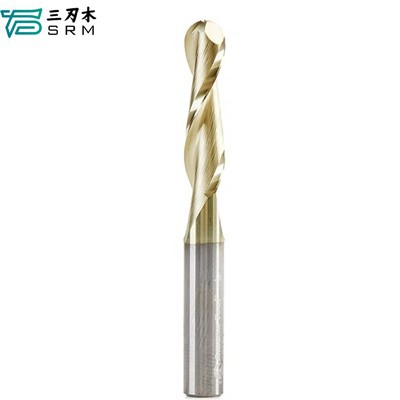
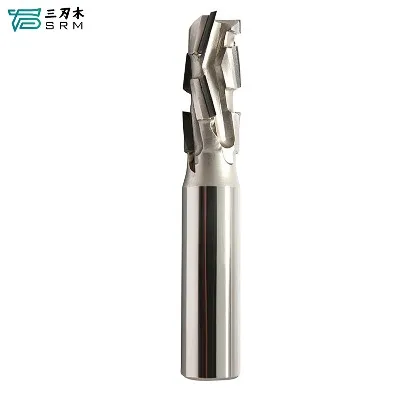
There are many different types of drill bits available, each designed for specific applications. Some of the most common types include twist drill bits, Countersink Drill Bit, Forstner Drill Bit, and Solid Carbide Dowel Drill Bit. The sharpening process may vary slightly depending on the type of drill bit you're working with, so it's important to familiarize yourself with the specific requirements of each type.
Tools and Materials Needed
To sharpen a drill bit, you'll need a few basic tools and materials. Here's a list of what you'll need:
- Bench grinder: A bench grinder is the most common tool used for sharpening drill bits. Make sure the grinder has a fine-grit wheel suitable for sharpening high-speed steel drill bits.
- Safety equipment: Always wear safety glasses and gloves when using a bench grinder to protect your eyes and hands from sparks and metal shavings.
- Drill bit holder: A drill bit holder can help you hold the drill bit securely in place while you're sharpening it.
- Marker or scribe: You'll need a marker or scribe to mark the cutting edges of the drill bit before you start sharpening.
- Coolant: Using a coolant, such as water or cutting oil, can help prevent the drill bit from overheating during the sharpening process.
Step-by-Step Guide to Sharpening a Drill Bit
Now that you have all the necessary tools and materials, let's walk through the step-by-step process of sharpening a drill bit:
Step 1: Inspect the Drill Bit
Before you start sharpening, carefully inspect the drill bit for any signs of damage or wear. Look for chipped or dull cutting edges, as well as any cracks or bends in the bit. If the drill bit is severely damaged, it may need to be replaced rather than sharpened.
Step 2: Mark the Cutting Edges
Use a marker or scribe to mark the cutting edges of the drill bit. This will help you keep track of the angle and position of the edges as you sharpen them.
Step 3: Set Up the Bench Grinder
Turn on the bench grinder and allow it to reach full speed. Adjust the tool rest so that it's parallel to the grinding wheel and positioned about 1/16 inch away from the wheel.
Step 4: Sharpen the Primary Cutting Edge
Hold the drill bit in the drill bit holder and position it against the tool rest at the correct angle. The angle of the primary cutting edge will depend on the type of drill bit you're sharpening, but a common angle for twist drill bits is 59 degrees. Slowly move the drill bit across the grinding wheel, applying light pressure to the cutting edge. Make sure to keep the drill bit at a consistent angle and avoid overheating the bit.
Step 5: Sharpen the Secondary Cutting Edge
After sharpening the primary cutting edge, you'll need to sharpen the secondary cutting edge. This edge is located behind the primary cutting edge and helps to improve the cutting performance of the drill bit. To sharpen the secondary cutting edge, hold the drill bit at a slightly different angle and repeat the sharpening process.
Step 6: Check the Cutting Edges
Once you've sharpened both the primary and secondary cutting edges, use a magnifying glass or a drill bit gauge to check the angle and sharpness of the edges. The cutting edges should be sharp and symmetrical, with a clear cutting edge at the tip of the drill bit.
Step 7: Clean and Test the Drill Bit
After sharpening the drill bit, clean it thoroughly with a wire brush to remove any metal shavings or debris. Then, test the drill bit by drilling a few holes in a scrap piece of material. If the drill bit cuts smoothly and easily, it's ready to use.


Tips for Sharpening Drill Bits
Here are some additional tips to help you sharpen drill bits effectively:
- Use a light touch: When sharpening the drill bit, apply light pressure to the cutting edge to avoid overheating the bit and damaging the cutting edges.
- Keep the drill bit cool: To prevent the drill bit from overheating, use a coolant, such as water or cutting oil, during the sharpening process.
- Sharpen the drill bit regularly: Regularly sharpening your drill bits will help to maintain their performance and extend their lifespan.
- Use the right grinding wheel: Make sure to use a grinding wheel that's suitable for sharpening high-speed steel drill bits. A fine-grit wheel will provide a smoother finish and help to prevent the drill bit from overheating.
Conclusion
Sharpening a drill bit is a simple yet essential skill that can save you time and money in the long run. By following the steps outlined in this blog post and using the right tools and techniques, you can keep your drill bits sharp and in good working condition. As a drill bit supplier, I'm committed to providing high-quality drill bits and helping our customers get the most out of their tools. If you have any questions or need further assistance with sharpening your drill bits, please don't hesitate to contact us. We're here to help you with all your drill bit needs.
References
- "Drill Bit Sharpening: A Comprehensive Guide." Woodworking Network.
- "How to Sharpen Drill Bits." Family Handyman.
- "Sharpening Drill Bits: Tips and Techniques." Popular Mechanics.