


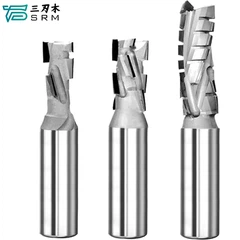
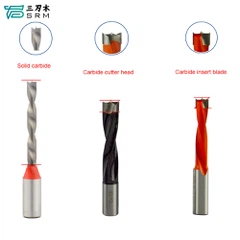
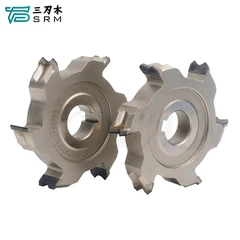
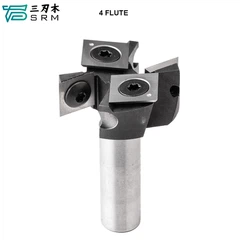

When it comes to woodworking, a planer cutterhead is an essential tool that can significantly impact the quality of your work. As a planer cutterhead supplier, I understand the importance of choosing the right cutterhead for your specific needs. In this blog post, I'll share some key factors to consider when selecting a planer cutterhead, helping you make an informed decision that will enhance your woodworking projects.
1. Type of Woodworking Projects
The first step in choosing a planer cutterhead is to consider the type of woodworking projects you typically undertake. Different cutterheads are designed for various applications, and selecting the right one can make a world of difference in the final outcome.
- General Planing: For general planing tasks, such as flattening boards or reducing the thickness of wood, a standard Thickness Planer Cutterhead is a great choice. These cutterheads are designed to remove material evenly and smoothly, leaving a flat and consistent surface.
- Edge Profiling: If you're working on projects that require edge profiling, such as creating decorative edges on furniture or cabinetry, an Adjustable Edge Profiling Sets might be more suitable. These sets allow you to create a variety of edge profiles, from simple bevels to complex curves.
- Rabbeting: Rabbeting is a common woodworking technique used to create a recess or groove in the edge of a board. For this type of work, a Cutter Heads for Rabbeting is specifically designed to make clean and precise cuts, ensuring a perfect fit for your joints.
2. Cutterhead Design
The design of the cutterhead plays a crucial role in its performance and the quality of the cut. There are several types of cutterhead designs available, each with its own advantages and disadvantages.
- Straight Knife Cutterheads: Straight knife cutterheads are the traditional choice for planers. They consist of straight knives that are mounted parallel to the axis of the cutterhead. These cutterheads are known for their simplicity and affordability, but they can produce a rougher surface finish compared to other designs.
- Spiral Cutterheads: Spiral cutterheads have become increasingly popular in recent years due to their superior cutting performance. They feature helical knives that are arranged in a spiral pattern around the cutterhead. This design allows for a smoother cut, reduced tear-out, and less noise and vibration. Spiral cutterheads are generally more expensive than straight knife cutterheads, but they offer a significant improvement in the quality of the finish.
- Insert Cutterheads: Insert cutterheads use replaceable cutting inserts instead of traditional knives. These inserts are made from high-speed steel or carbide and can be easily replaced when they become dull. Insert cutterheads are known for their long lifespan and low maintenance requirements, making them a popular choice for professional woodworkers.
3. Cutterhead Size
The size of the cutterhead is another important factor to consider. The size of the cutterhead you choose will depend on the size of your planer and the type of woodworking projects you typically undertake.
- Diameter: The diameter of the cutterhead is measured in inches and determines the maximum width of the board that can be planed. A larger diameter cutterhead can handle wider boards, but it may also require a more powerful motor to operate.
- Length: The length of the cutterhead is also an important consideration. A longer cutterhead can provide a more consistent cut over a larger surface area, but it may also be more difficult to install and balance.
4. Cutting Speed and Feed Rate
The cutting speed and feed rate of the planer are two important factors that can affect the quality of the cut. The cutting speed refers to the speed at which the cutterhead rotates, while the feed rate refers to the speed at which the wood is fed through the planer.
- Cutting Speed: The cutting speed of the planer is typically measured in revolutions per minute (RPM). A higher cutting speed can result in a smoother cut, but it may also increase the risk of tear-out and burning. It's important to choose a cutting speed that is appropriate for the type of wood you're working with and the design of the cutterhead.
- Feed Rate: The feed rate of the planer is typically measured in feet per minute (FPM). A higher feed rate can increase productivity, but it may also result in a rougher surface finish. It's important to choose a feed rate that is appropriate for the type of wood you're working with and the design of the cutterhead.
5. Quality and Durability
The quality and durability of the cutterhead are also important factors to consider. A high-quality cutterhead will be made from durable materials and will be designed to withstand the rigors of regular use.
- Materials: The materials used to make the cutterhead can have a significant impact on its quality and durability. Look for cutterheads that are made from high-quality steel or carbide, as these materials are known for their strength and wear resistance.
- Construction: The construction of the cutterhead is also important. Look for cutterheads that are well-balanced and have a smooth finish. A well-constructed cutterhead will operate more smoothly and produce a better quality cut.
- Warranty: A good warranty is a sign of a high-quality product. Look for cutterheads that come with a warranty of at least one year, as this will give you peace of mind knowing that you're protected against any defects or malfunctions.
6. Cost
The cost of the cutterhead is also an important factor to consider. The cost of a cutterhead can vary depending on its size, design, and quality.


- Budget: Before you start shopping for a cutterhead, it's important to set a budget. This will help you narrow down your options and choose a cutterhead that fits your needs and your budget.
- Value for Money: When comparing cutterheads, it's important to consider the value for money. A more expensive cutterhead may offer better performance and durability, but it may not be necessary for your specific needs. Look for a cutterhead that offers a good balance between price and performance.
Conclusion
Choosing the right planer cutterhead is an important decision that can significantly impact the quality of your woodworking projects. By considering the factors outlined in this blog post, you can make an informed decision that will help you achieve the best possible results.
If you have any questions or need further assistance in choosing a planer cutterhead, please don't hesitate to contact us. As a leading planer cutterhead supplier, we have the expertise and experience to help you find the perfect cutterhead for your needs. We offer a wide range of high-quality cutterheads at competitive prices, and we're committed to providing our customers with the best possible service and support.
Contact us today to learn more about our products and to discuss your specific requirements. We look forward to hearing from you and helping you take your woodworking projects to the next level.
References
- Woodworking Magazine. (Year). Guide to Choosing the Right Planer Cutterhead.
- Fine Woodworking. (Year). Understanding Cutterhead Design and Performance.
- Popular Woodworking. (Year). Tips for Selecting a Planer Cutterhead.


