

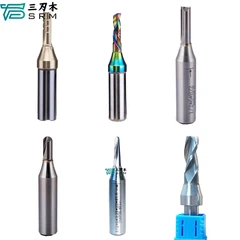
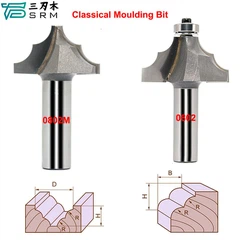
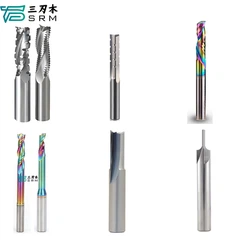


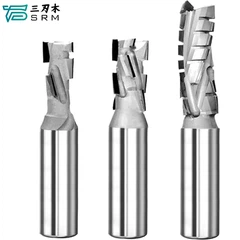
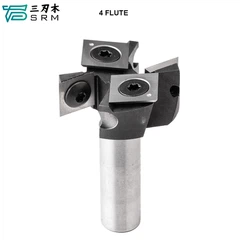

As a drill bit supplier, I've witnessed firsthand the transformative impact of black oxide-coated drill bits in various industries. These drill bits are not just another tool in the box; they are a game-changer, offering a multitude of advantages that set them apart from their counterparts. In this blog, I'll delve into the science and practical benefits of black oxide-coated drill bits, sharing insights that will help you make informed decisions for your drilling needs.
Enhanced Durability
One of the most significant advantages of black oxide-coated drill bits is their enhanced durability. The black oxide coating is a thin layer of magnetite (Fe₃O₄) that forms on the surface of the drill bit through a chemical process. This coating acts as a protective barrier, shielding the drill bit from wear and tear, corrosion, and oxidation.
In a drilling operation, the drill bit is subjected to high levels of friction and heat. The black oxide coating reduces friction between the drill bit and the workpiece, which in turn reduces heat generation. This is crucial because excessive heat can cause the drill bit to lose its hardness and sharpness, leading to premature wear and failure. By minimizing heat, the black oxide coating helps the drill bit maintain its cutting edge for longer periods, resulting in a longer tool life.
For example, in a woodworking shop where drill bits are used extensively to create holes in various types of wood, a black oxide-coated drill bit can last significantly longer than an uncoated one. This not only reduces the frequency of tool replacement but also saves time and money in the long run.
Improved Lubricity
Another advantage of black oxide-coated drill bits is their improved lubricity. The smooth surface of the black oxide coating reduces the coefficient of friction between the drill bit and the material being drilled. This means that the drill bit can penetrate the material more easily, requiring less force to operate.
In metalworking applications, where drilling through tough metals like stainless steel or aluminum can be challenging, the improved lubricity of black oxide-coated drill bits can make a significant difference. The reduced friction allows the drill bit to cut through the metal more smoothly, resulting in cleaner holes with less burring. This is particularly important in precision machining, where the quality of the holes can affect the performance of the final product.
Moreover, the improved lubricity also reduces the risk of the drill bit getting stuck or binding in the material. This is especially useful when drilling deep holes or when working with materials that have a tendency to grab the drill bit. By reducing the likelihood of binding, the black oxide-coated drill bit can improve the efficiency and safety of the drilling operation.
Corrosion Resistance
Corrosion is a major concern in many industries, especially those that operate in harsh environments or deal with corrosive materials. Black oxide-coated drill bits offer excellent corrosion resistance, making them suitable for use in a wide range of applications.
The black oxide coating acts as a barrier between the drill bit and the surrounding environment, preventing moisture and other corrosive agents from reaching the metal surface. This is particularly important in marine applications, where drill bits are exposed to saltwater and other corrosive elements. A black oxide-coated drill bit can withstand the harsh conditions of the marine environment, ensuring reliable performance over an extended period.
In addition to marine applications, black oxide-coated drill bits are also commonly used in the automotive and aerospace industries, where corrosion resistance is essential for the safety and reliability of the components. By using black oxide-coated drill bits, manufacturers can ensure that their products meet the highest quality standards and have a longer service life.
Aesthetic Appeal
While the functional advantages of black oxide-coated drill bits are well-known, their aesthetic appeal should not be overlooked. The black oxide coating gives the drill bit a sleek, professional look that is not only visually appealing but also adds a touch of sophistication to any tool collection.
In a workshop or a toolbox, black oxide-coated drill bits stand out from the crowd, making them easy to identify and organize. This can be particularly useful in a busy work environment where time is of the essence. Additionally, the black color of the coating can also help to hide dirt and scratches, keeping the drill bit looking new for longer.


Compatibility with Different Materials
Black oxide-coated drill bits are highly versatile and can be used with a wide range of materials, including wood, metal, plastic, and composite materials. This makes them a popular choice among DIY enthusiasts, hobbyists, and professional tradespeople alike.
When drilling through wood, black oxide-coated drill bits can provide clean, precise holes without splintering or tearing the wood fibers. They are also suitable for use with different types of wood, from softwoods like pine to hardwoods like oak.
In metalworking applications, black oxide-coated drill bits can handle a variety of metals, including steel, aluminum, brass, and copper. They can be used for both general-purpose drilling and more specialized applications, such as drilling holes for screws, bolts, or rivets.
For plastic and composite materials, black oxide-coated drill bits can provide a smooth, clean cut without melting or cracking the material. This is important in applications where the appearance and integrity of the material are critical, such as in the production of electronic components or automotive parts.
Cost-Effectiveness
Despite their many advantages, black oxide-coated drill bits are surprisingly cost-effective. Compared to other types of coated drill bits, such as titanium nitride (TiN) or cobalt-coated drill bits, black oxide-coated drill bits are generally more affordable.
This makes them an attractive option for those who are looking for a high-quality drill bit without breaking the bank. Whether you're a professional tradesperson who needs to replace drill bits frequently or a DIY enthusiast who wants to invest in a reliable tool for occasional use, black oxide-coated drill bits offer excellent value for money.
Types of Drill Bits with Black Oxide Coating
There are several types of drill bits that can be coated with black oxide, each designed for specific applications. Some of the most common types include:
- Forstner Drill Bit: These drill bits are designed to create flat-bottomed holes in wood, making them ideal for applications such as cabinetry, furniture making, and joinery. Forstner Drill Bit
- Through Hole Drill Bit: Through hole drill bits are used to create holes that go all the way through a material. They are commonly used in metalworking, woodworking, and other industries. Through Hole Drill Bit
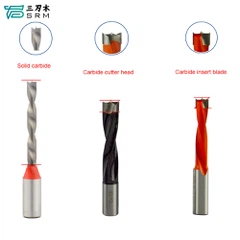
- Blind Dowel Hole Drill Bit: Blind dowel hole drill bits are used to create holes that do not go all the way through a material. They are often used in woodworking to create dowel joints, which are strong and durable connections between two pieces of wood. Blind Dowel Hole Drill Bit
Conclusion
In conclusion, black oxide-coated drill bits offer a wide range of advantages that make them a valuable addition to any tool collection. From enhanced durability and improved lubricity to corrosion resistance and aesthetic appeal, these drill bits are designed to provide reliable performance in a variety of applications.
As a drill bit supplier, I highly recommend black oxide-coated drill bits to anyone who is looking for a high-quality, cost-effective drilling solution. Whether you're a professional tradesperson or a DIY enthusiast, these drill bits can help you get the job done quickly, efficiently, and with excellent results.
If you're interested in learning more about our black oxide-coated drill bits or would like to discuss your specific drilling needs, please feel free to contact us. We would be happy to assist you in finding the right drill bit for your application.
References
- ASM Handbook, Volume 5: Surface Engineering, ASM International
- Machining Fundamentals: An Introduction to Cutting Processes, Society of Manufacturing Engineers
- Woodworking Magazine, various issues


