



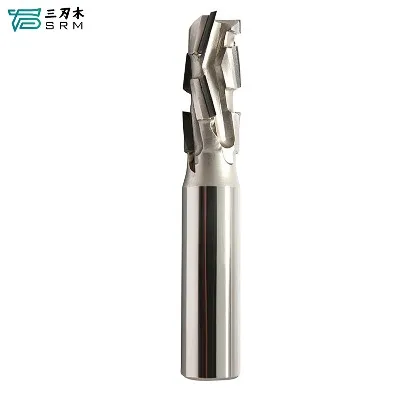





Hey there! As a supplier of Aluminum Router Bits, I often get asked about the differences between long and short aluminum router bits. It's a topic that's crucial for anyone working with aluminum, whether you're a professional woodworker, a DIY enthusiast, or a manufacturer. So, let's dive right in and explore the ins and outs of these two types of router bits.
What Are Aluminum Router Bits?
Before we get into the differences between long and short bits, let's quickly go over what aluminum router bits are. These are specialized cutting tools designed to work with aluminum materials. They're made from high - quality materials like solid carbide, which gives them the durability and sharpness needed to cut through aluminum cleanly and efficiently.
The Basics of Long Aluminum Router Bits
Long aluminum router bits have a longer shank and cutting edge compared to their short counterparts. This extra length can be a real game - changer in certain situations.
One of the main advantages of long router bits is their reach. If you're working on a project where you need to cut deep into the aluminum, a long bit can get the job done. For example, if you're creating a deep groove or a cavity in an aluminum block, a long bit can reach down and make the cut without having to reposition the workpiece multiple times.
Another benefit is in access. Sometimes, the area you need to cut is in a hard - to - reach place. A long bit can snake its way into tight spaces and make the necessary cuts. This is especially useful in complex machining projects where precision and access are key.
However, long bits also have their drawbacks. They're more prone to deflection. Since they're longer, they have a greater tendency to bend or flex during the cutting process. This can lead to less accurate cuts and a rougher finish. Also, long bits can generate more vibration, which can cause wear and tear on the bit itself and the router.
The Lowdown on Short Aluminum Router Bits
Short aluminum router bits, on the other hand, have a shorter shank and cutting edge. They're great for a different set of applications.
One of the biggest advantages of short bits is their stability. Because they're shorter, they're less likely to deflect during cutting. This means you can get more precise and accurate cuts. If you're working on a project that requires high - precision, like creating detailed engravings or fine - tuned joints, a short bit is the way to go.
Short bits also generate less vibration. This not only makes for a smoother cutting experience but also extends the life of the bit. With less vibration, there's less stress on the bit, so it can last longer and maintain its sharpness.
But short bits do have limitations. Their shorter length means they have less reach. If you need to cut deep into the aluminum, a short bit might not be able to do the job without multiple passes or repositioning of the workpiece.
Comparing Performance
When it comes to performance, both long and short bits have their strengths and weaknesses.
In terms of speed, long bits can sometimes be faster for roughing out large areas. Their longer cutting edge allows them to remove more material in a single pass. However, this comes at the cost of precision. Short bits, on the other hand, are slower but more accurate. They're better for finishing work and detailed cuts.
For surface finish, short bits usually win. Their stability and reduced vibration result in a smoother surface. Long bits, with their tendency to deflect and vibrate, can leave a rougher finish.

Applications
Let's talk about where each type of bit shines in different applications.
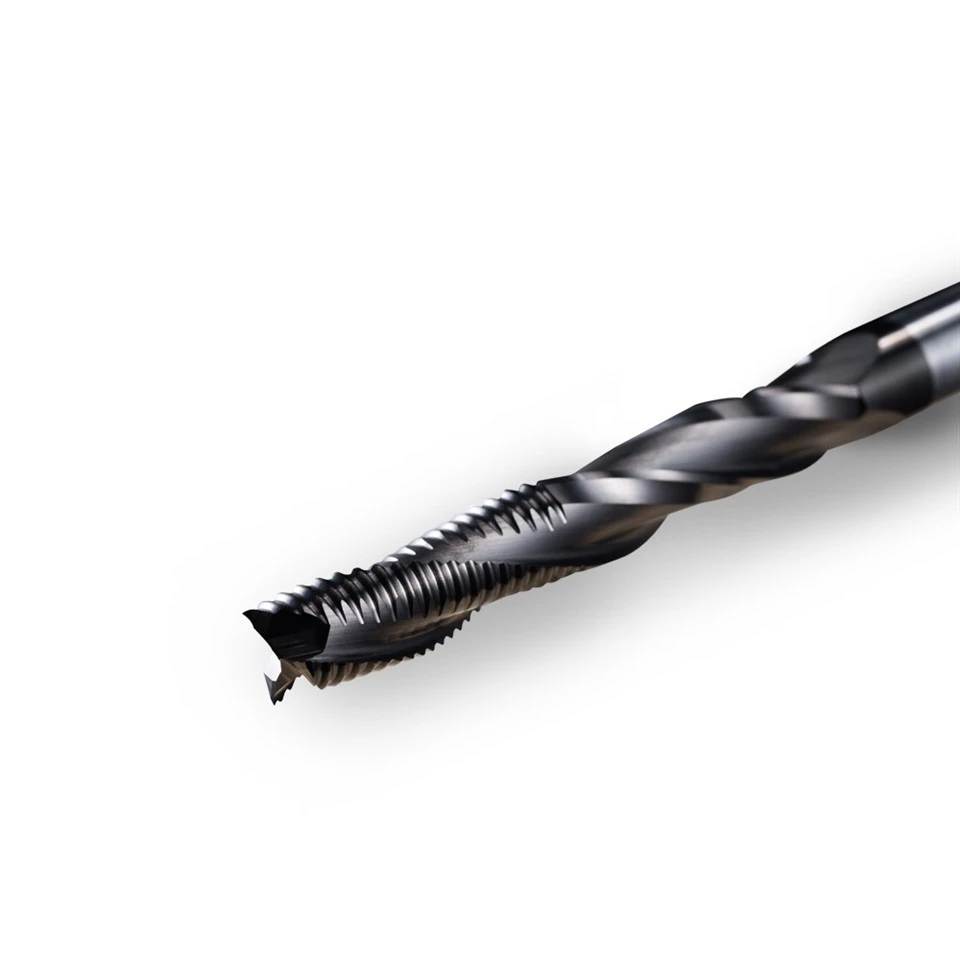
If you're working on a project like End Mills for Roughing, long bits are a great choice. They can quickly remove large amounts of aluminum, making the roughing process faster. For example, if you're making a large aluminum part from a block, a long bit can help you shape the basic form in less time.
On the other hand, if you're into Carving Letters In Wood (even though it's wood, the principles apply to aluminum as well), short bits are ideal. They can create sharp, clean edges and detailed designs with high precision.
If you're working with acrylic materials, Acrylic Router Bits can also give you an idea of the precision and finish you can expect. The same concepts of long and short bits apply here too.
Choosing the Right Bit
So, how do you choose between a long and a short aluminum router bit? It all comes down to your project.
If your project requires deep cuts, access to hard - to - reach areas, or fast material removal, a long bit is the way to go. But if you need high precision, a smooth finish, and less vibration, a short bit is the better option.
It's also a good idea to have both types in your toolbox. That way, you're prepared for any project that comes your way.
Conclusion
In conclusion, the difference between long and short aluminum router bits lies in their design, performance, and applications. Long bits offer reach and speed for roughing work, while short bits provide stability and precision for finishing and detailed work.
If you're in the market for high - quality aluminum router bits, we've got you covered. Whether you need a long bit for those deep cuts or a short bit for precision work, we have a wide range of options to suit your needs. Don't hesitate to reach out if you have any questions or want to discuss your specific project requirements. We're here to help you find the perfect router bit for your job.
References
- General knowledge of router bit technology and applications in the machining industry.
- Experience as an Aluminum Router Bit supplier.


